





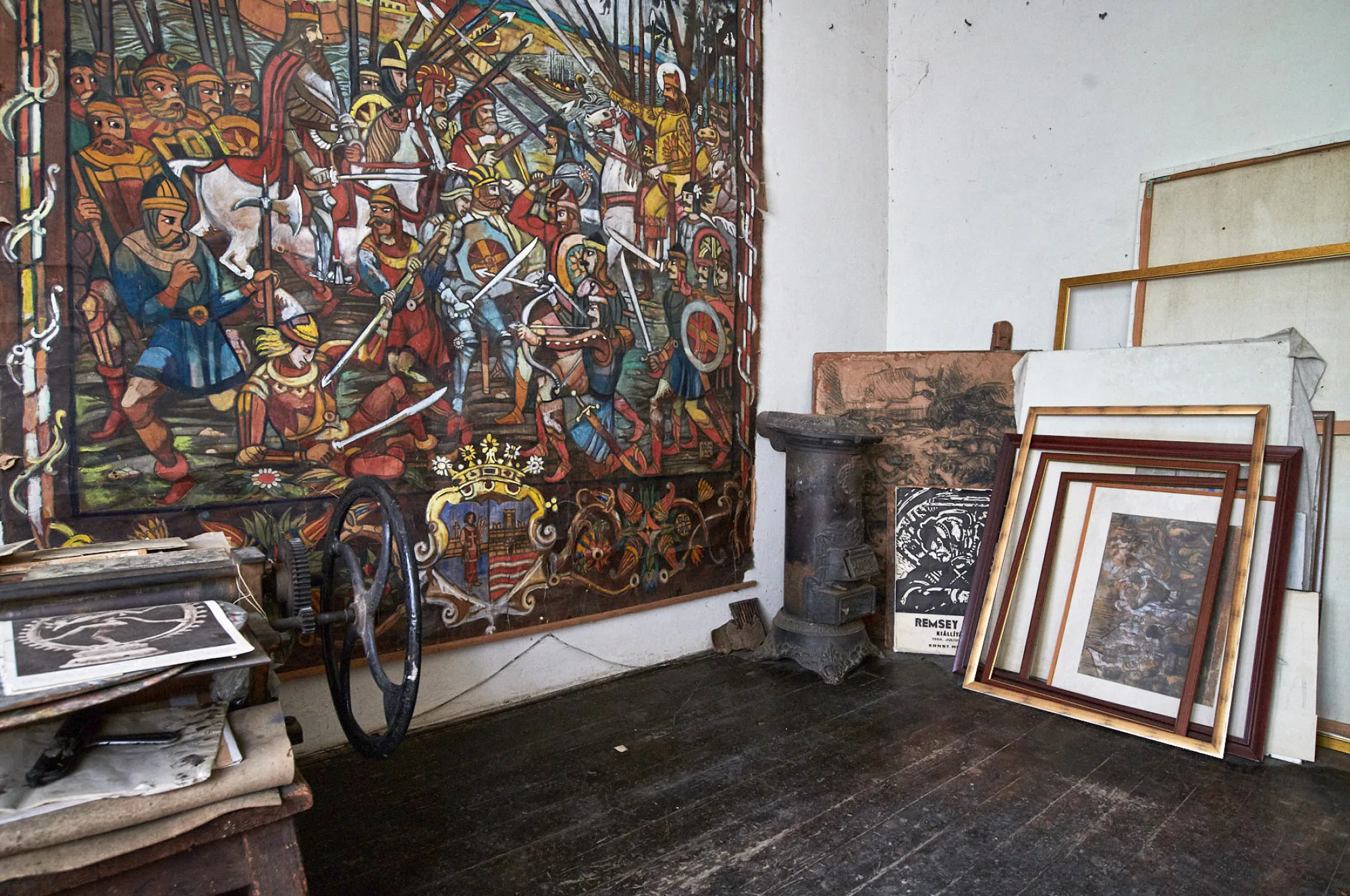




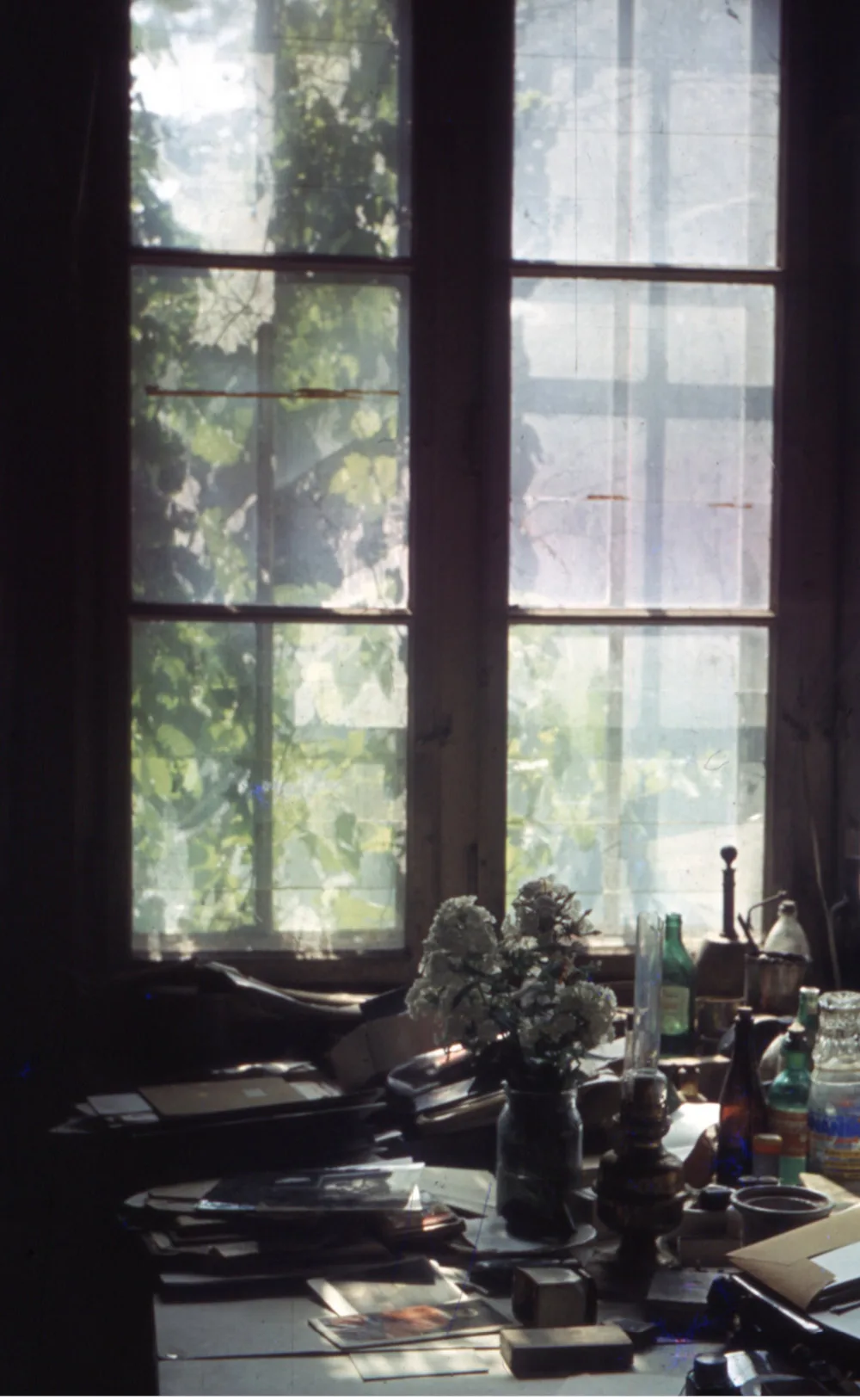
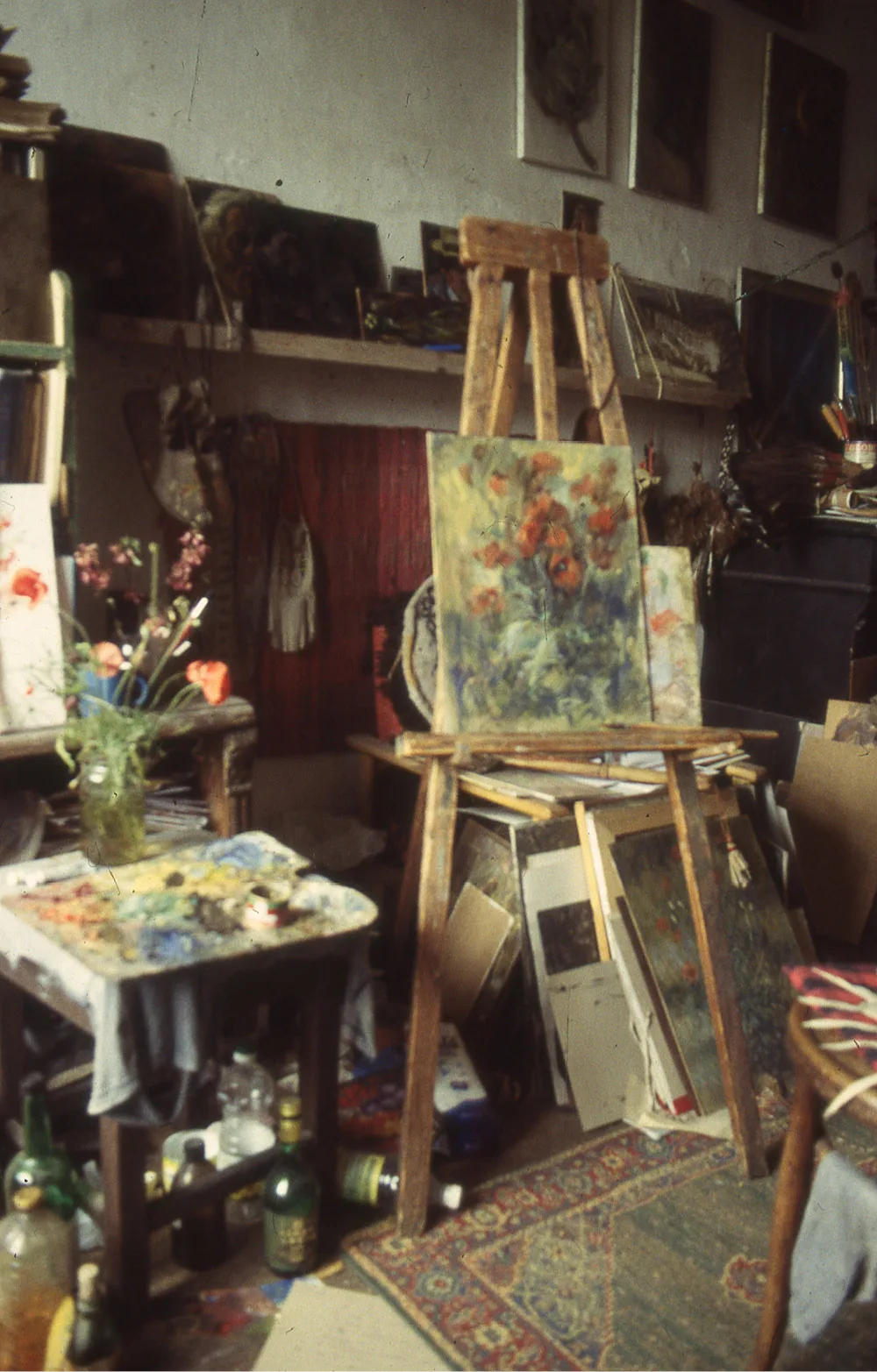













The multi-generational history of the Remsey artistic family is closely tied to Gödöllő, beginning with the marriage of Jenő Remsey and Vilma Frey. This union founded an intellectual and creative community grounded in family ties, which has characterised the Remsey family for four generations.
In the early 1900s, Gödöllő became a place of retreat and a space for realising new ideals of life. The artist colony, the house, the garden, and the surrounding forests and parks formed the living environment, with the Danube later becoming another important location for the family.
The ideals of total art and lifestyle reform that inspired the Gödöllő artist colony were fully realised within the Remsey family. They shaped their lives along these lines while tailoring, enriching, and creatively adapting the foundational ideals to their own personalities and the individual interests of family members. This strong intellectual commitment was successfully passed down from generation to generation, engaging new family members through marriage and welcoming the involvement of newly born children.
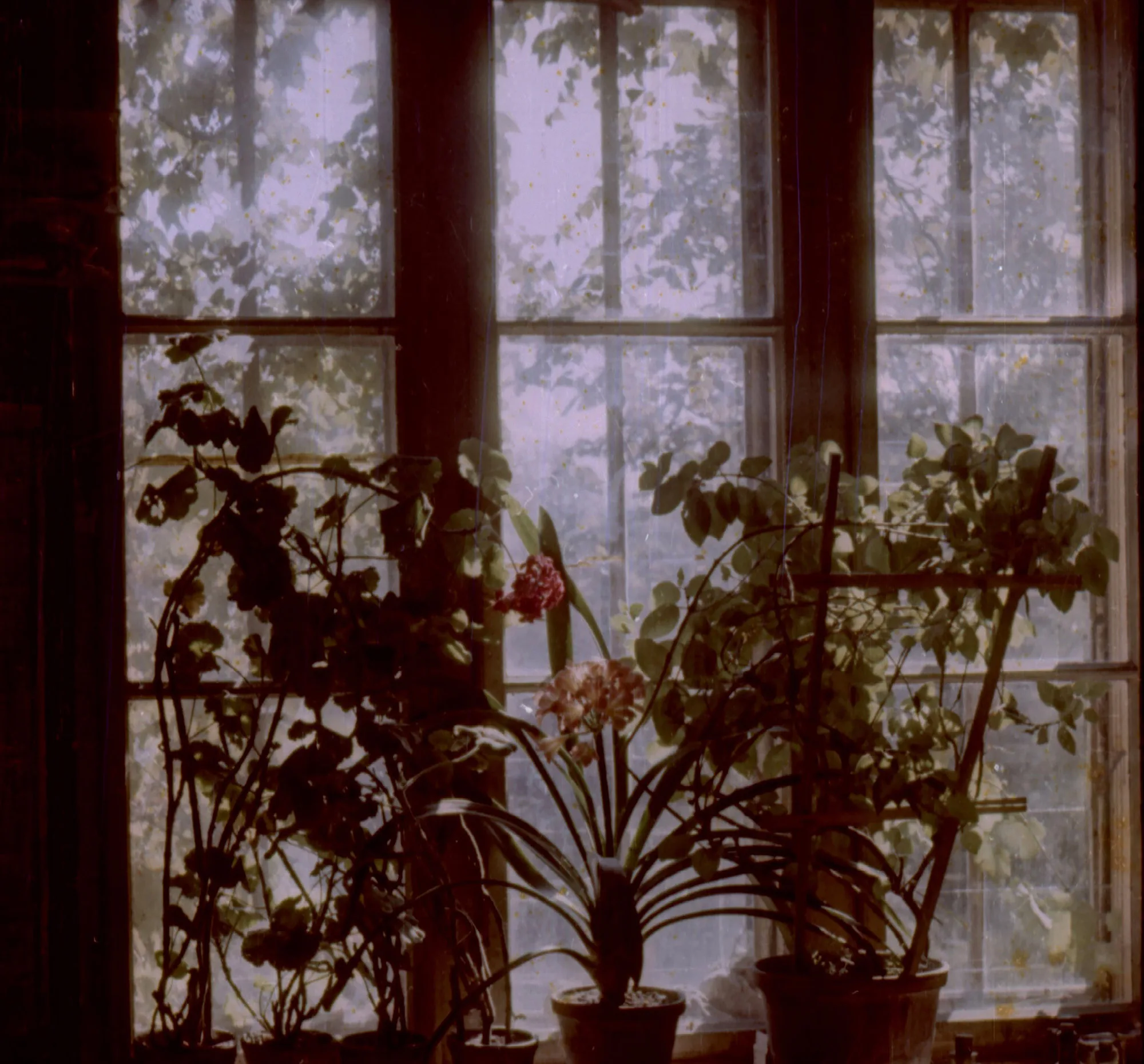
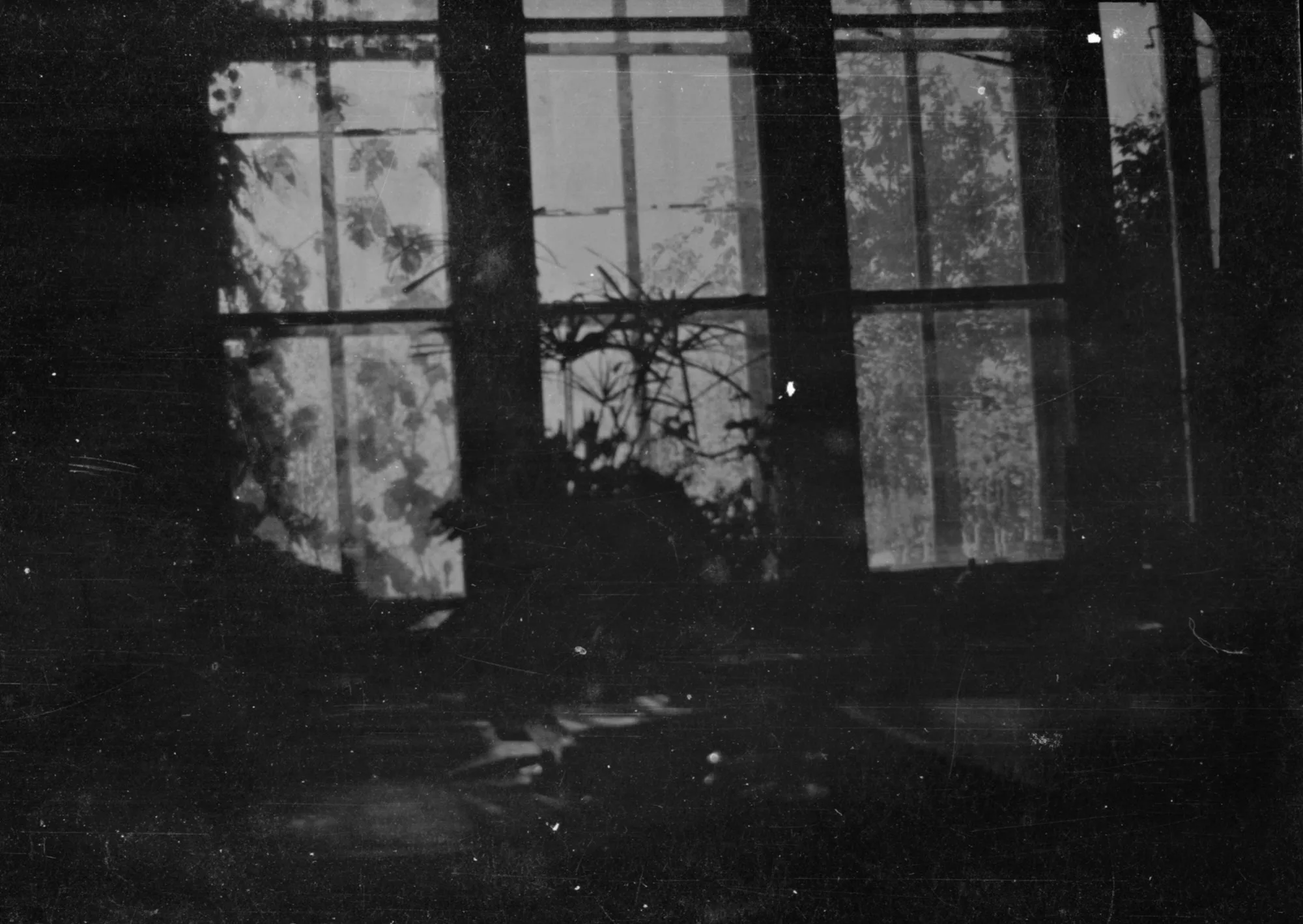
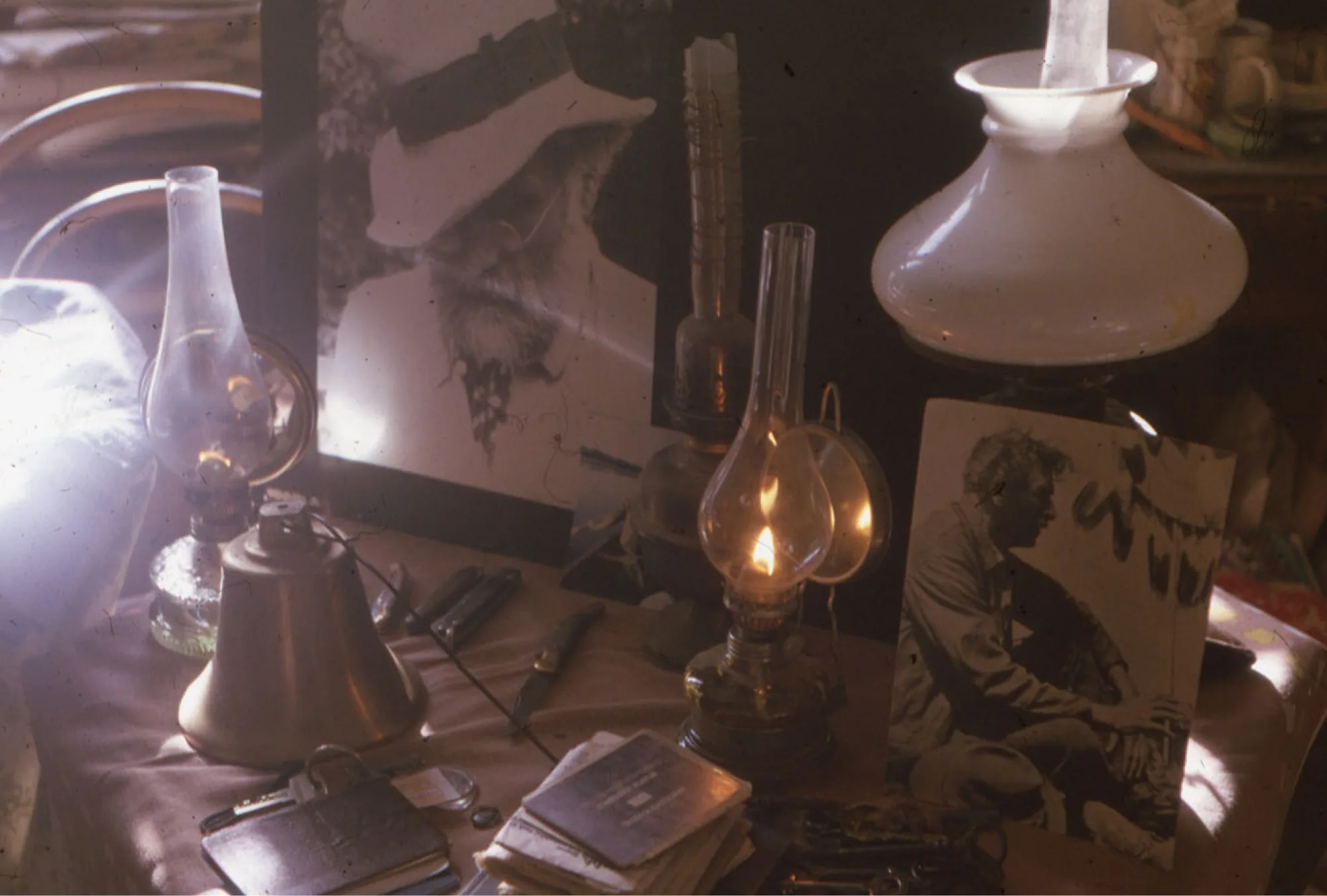
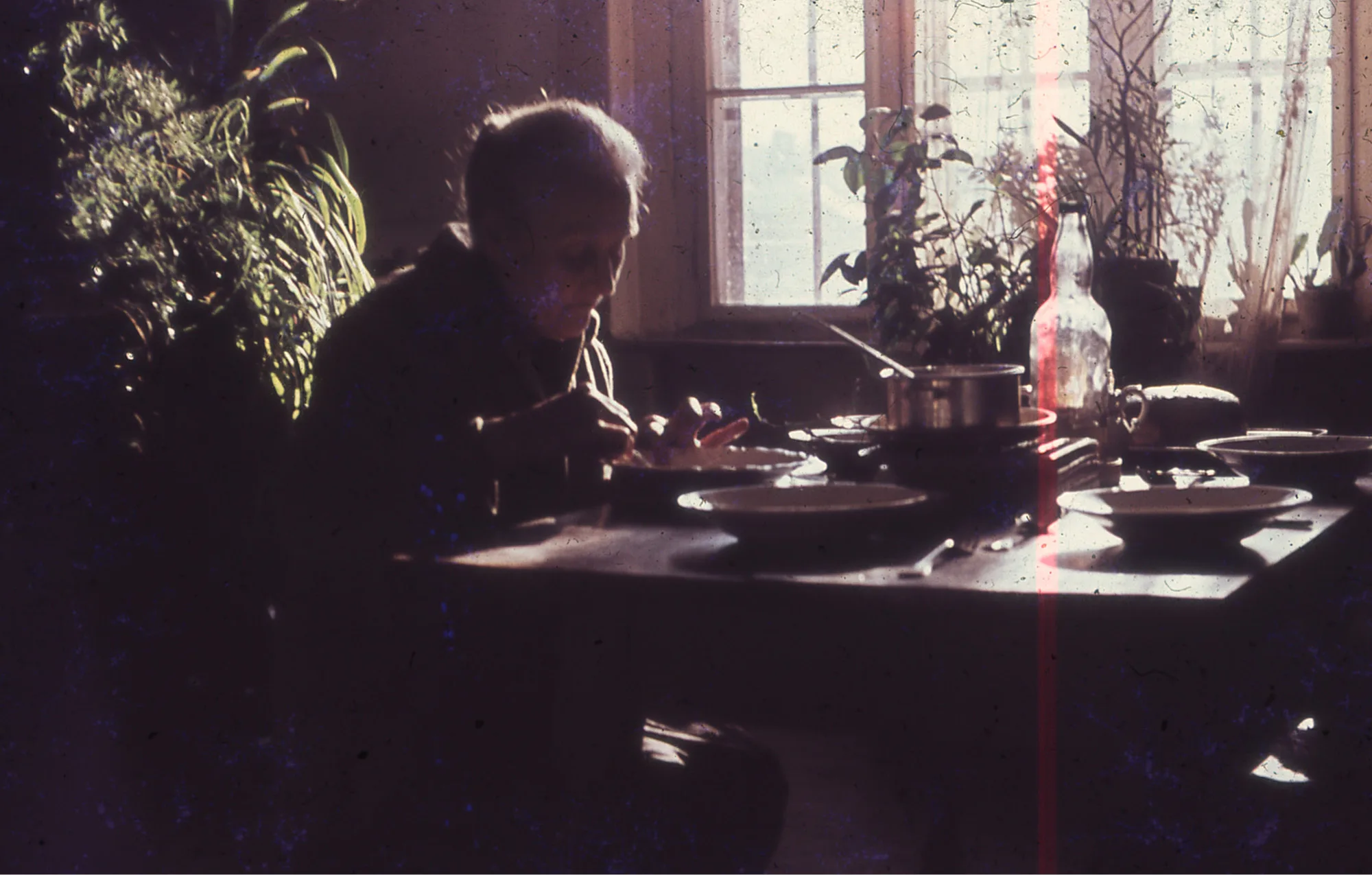
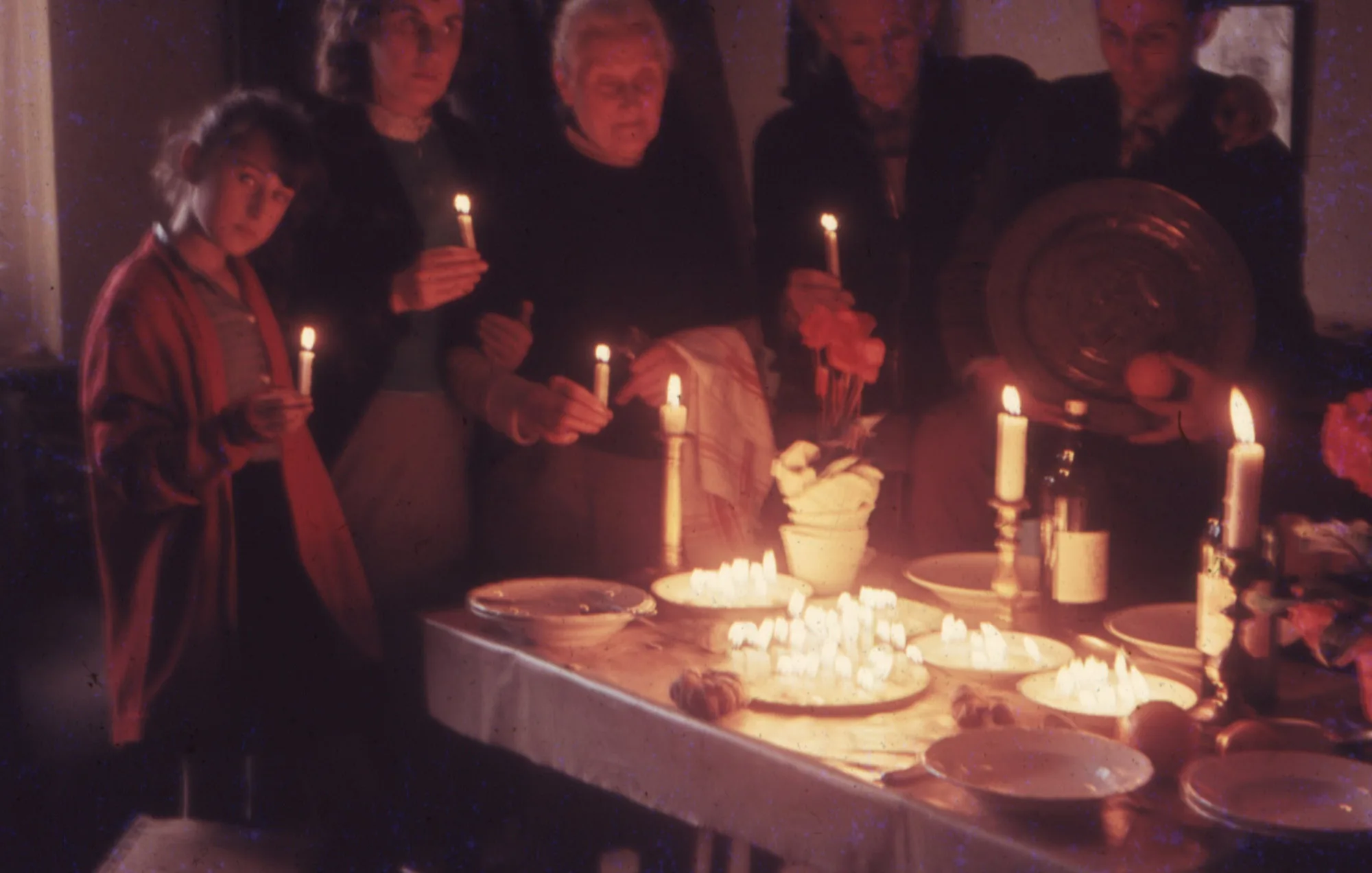
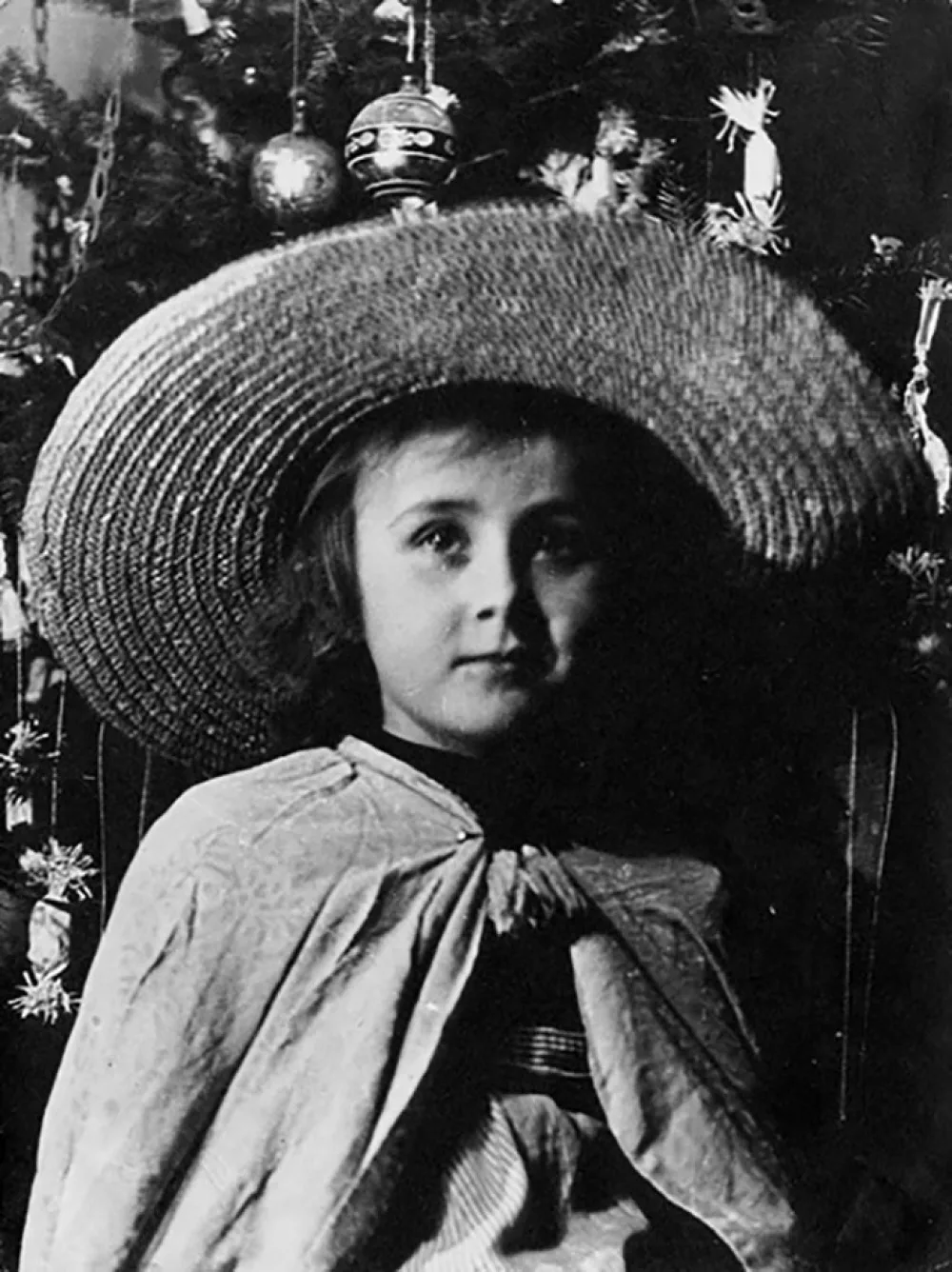
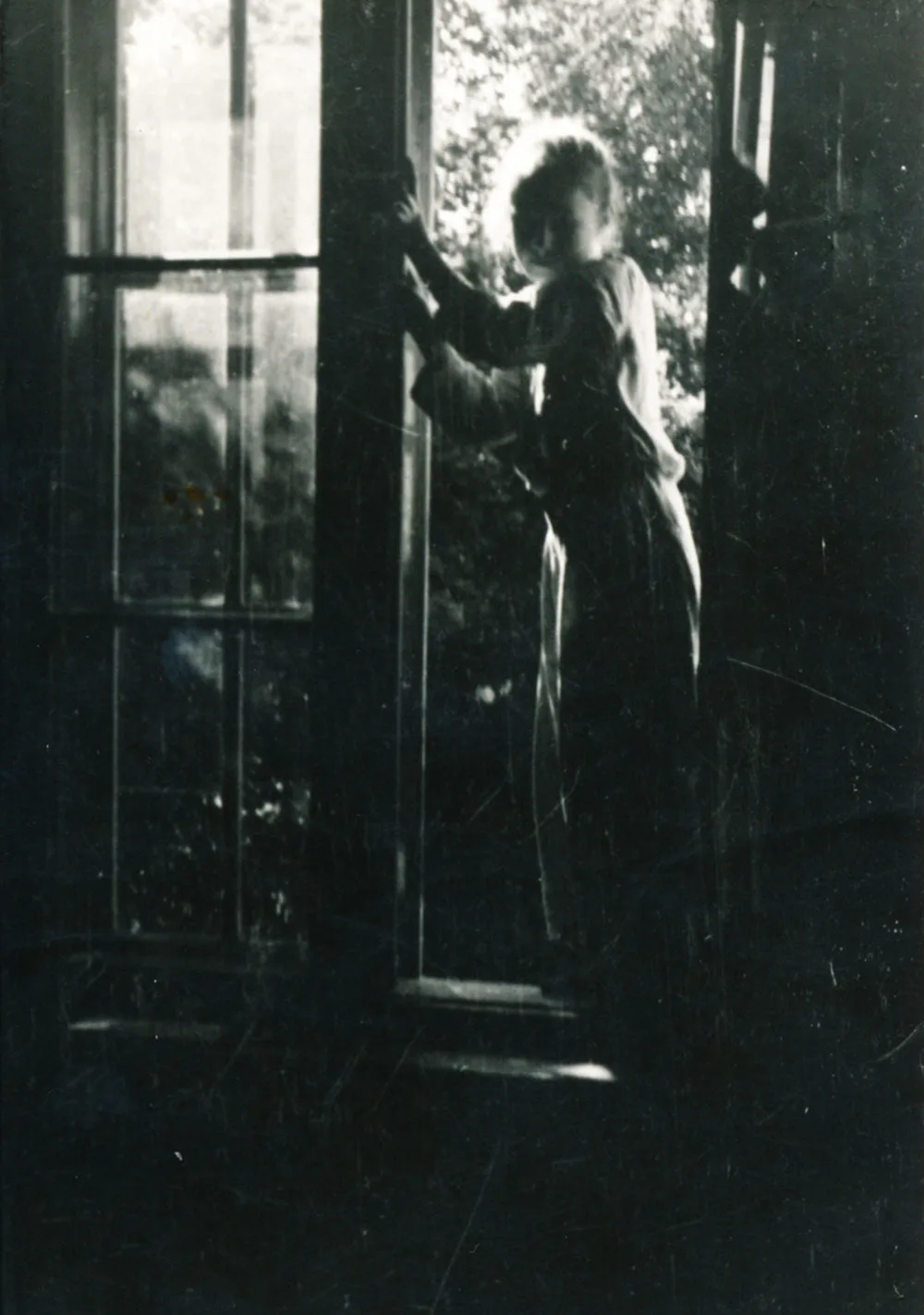
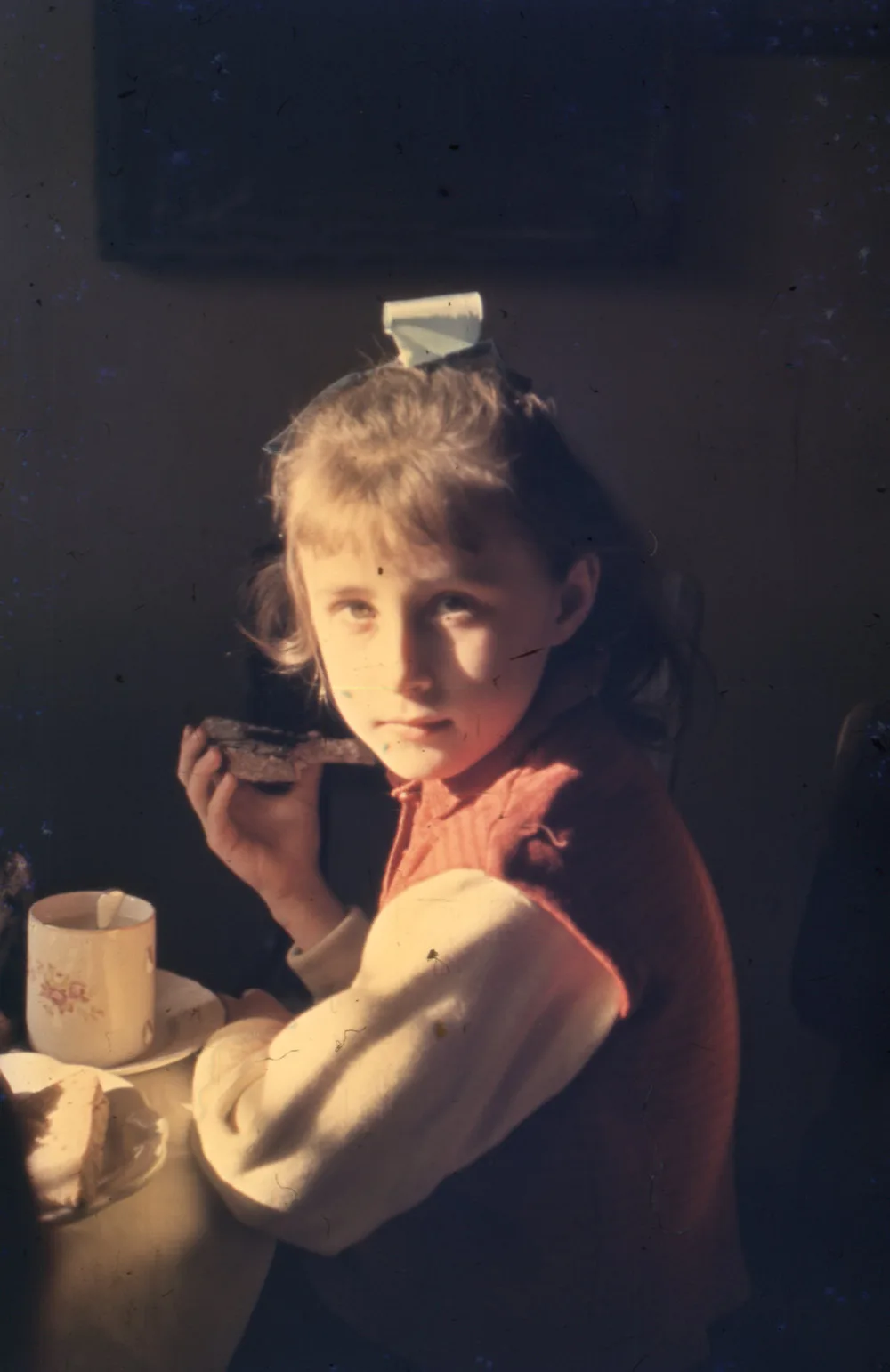
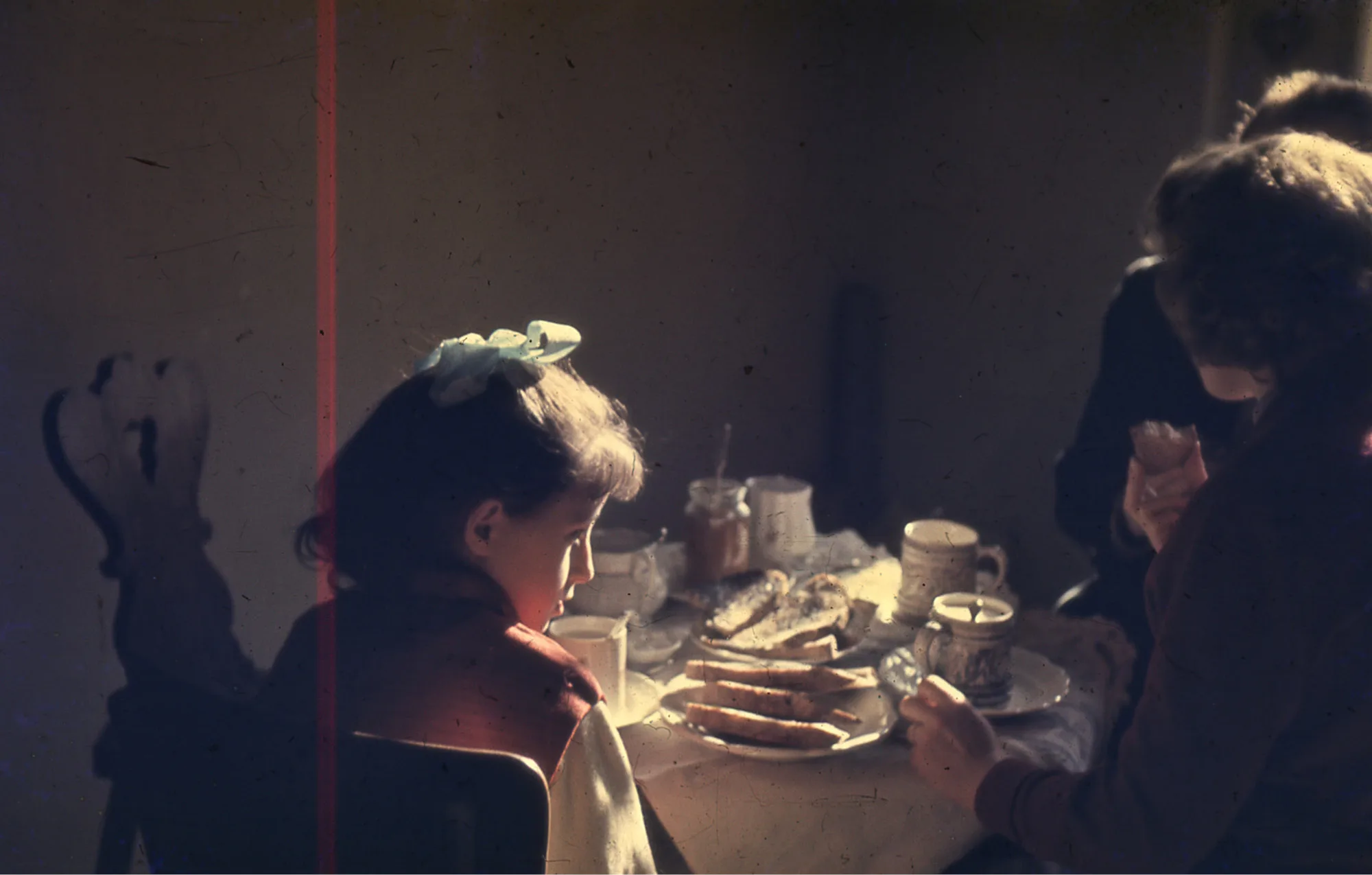
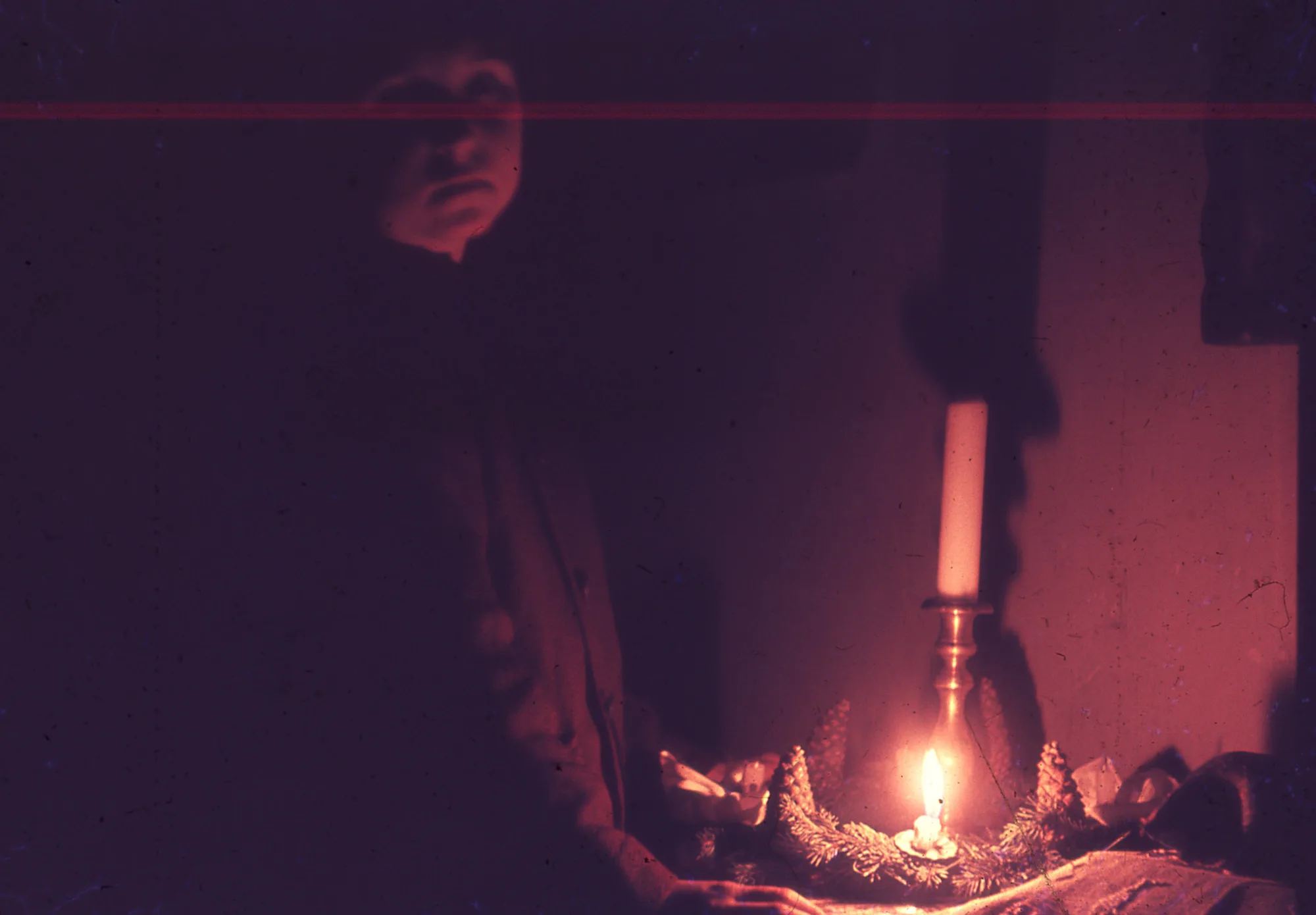
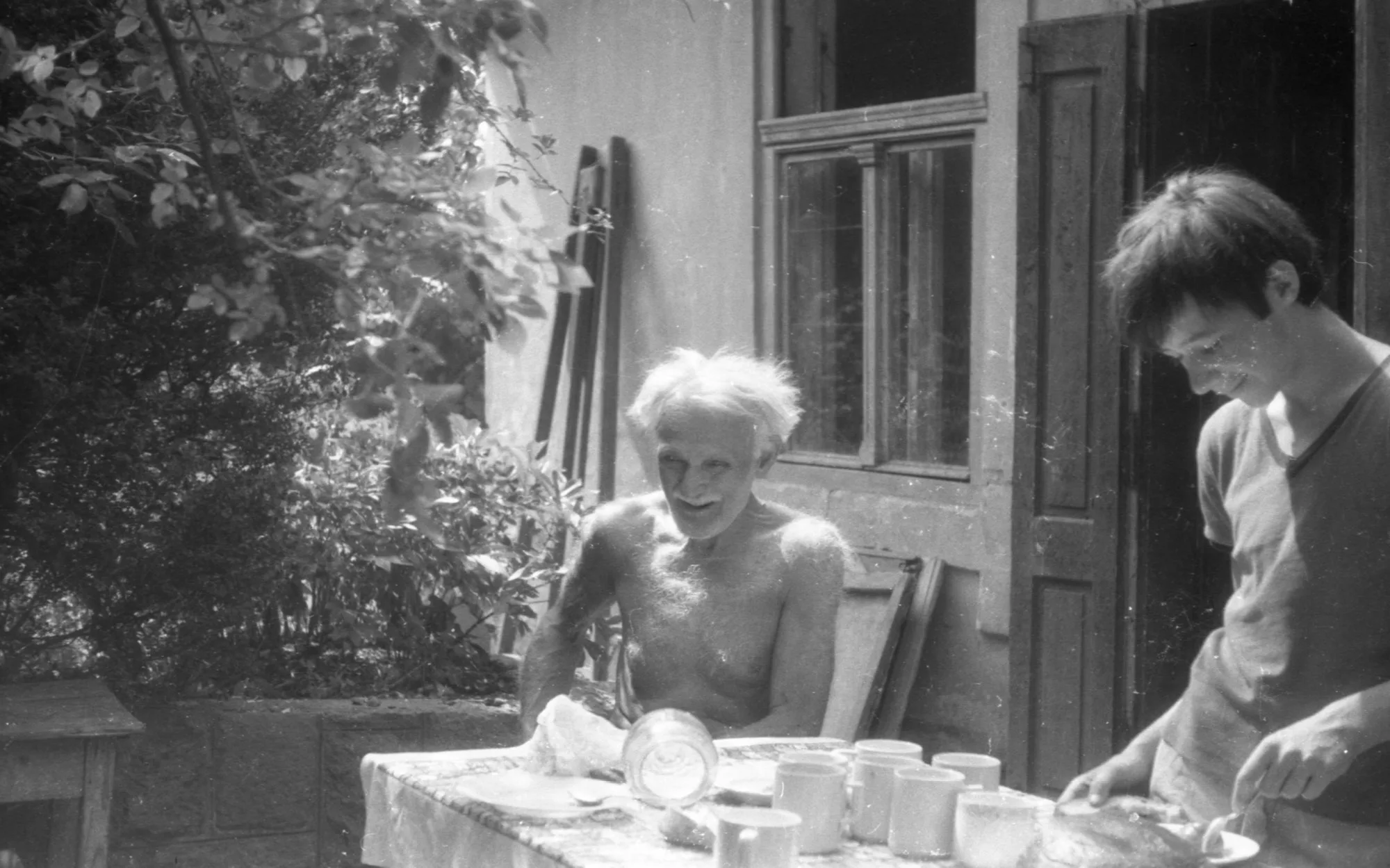
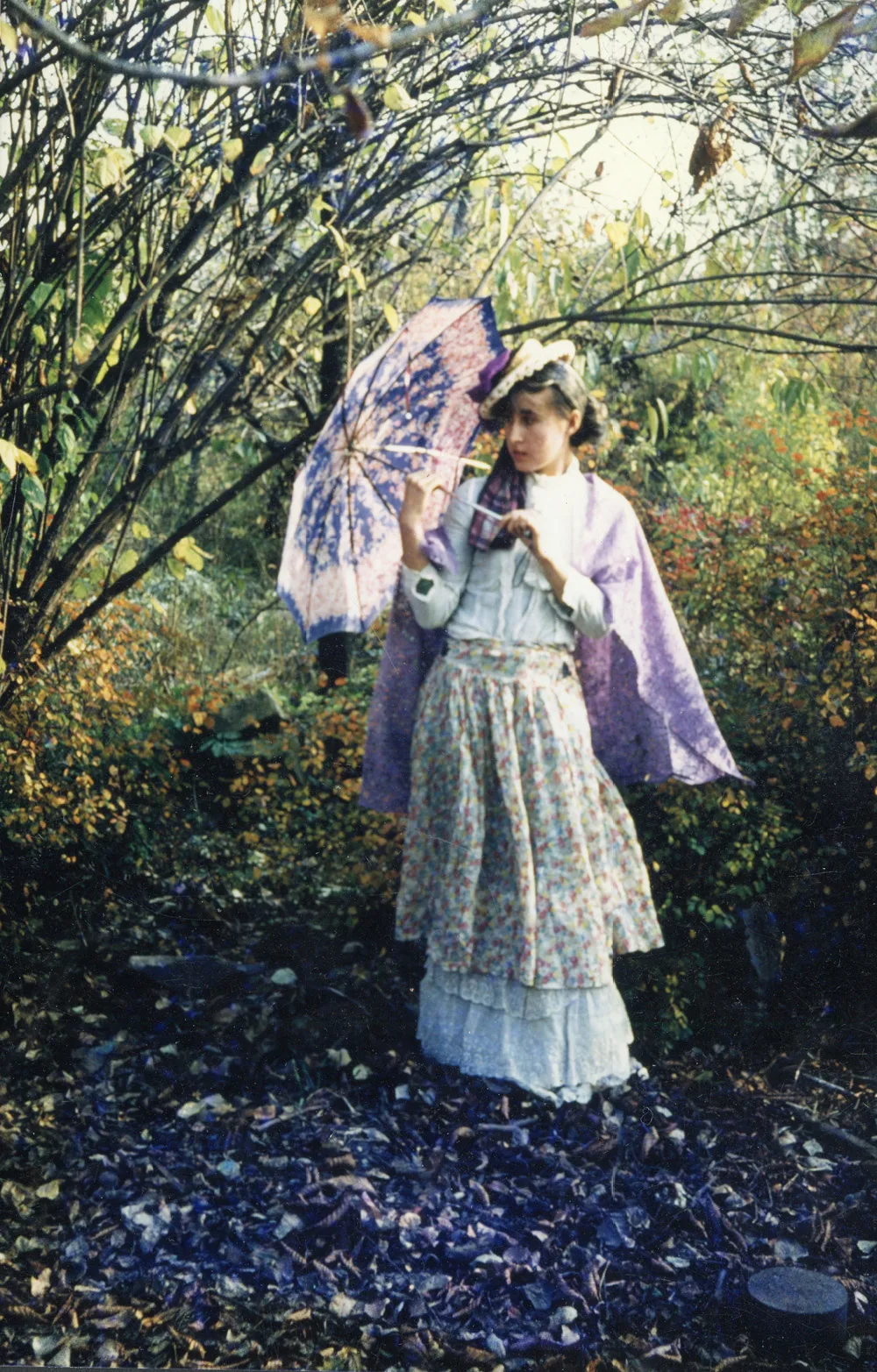
This diverse and creatively flourishing total-artistic endeavour, as well as the family “collective” constantly ablaze with creative energy and actively shaping their environment, is documented in a multitude of photographs.
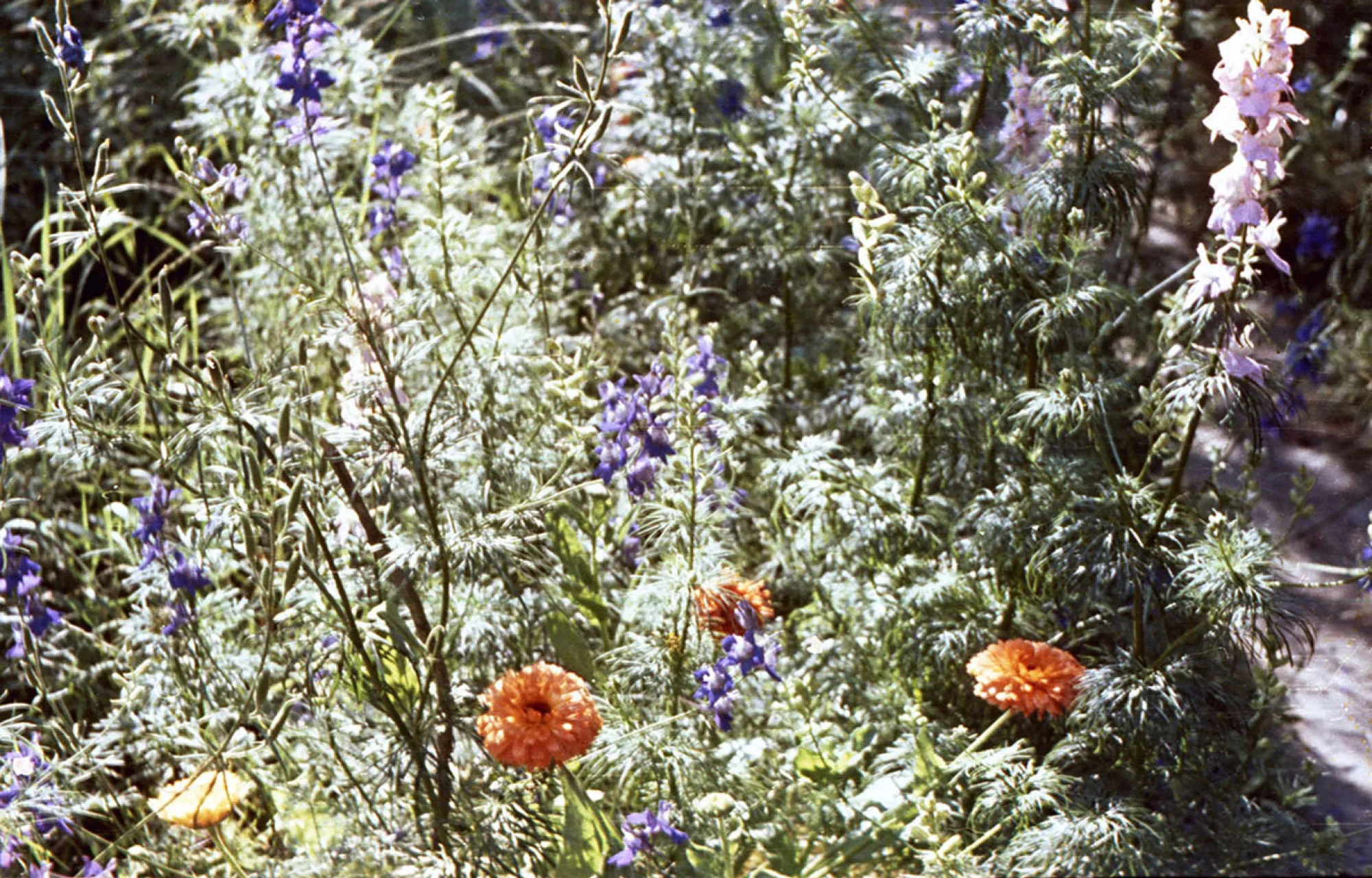
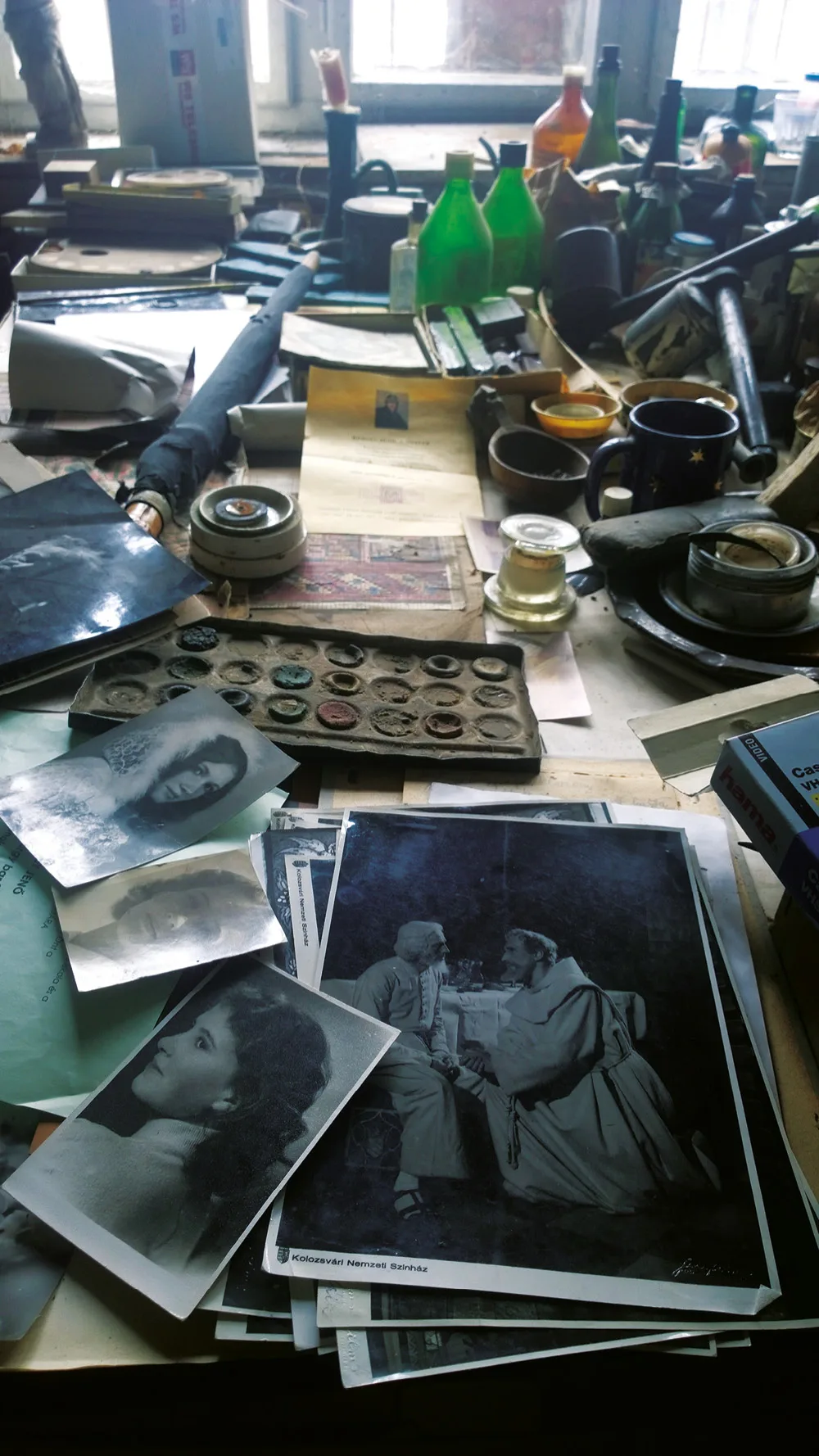
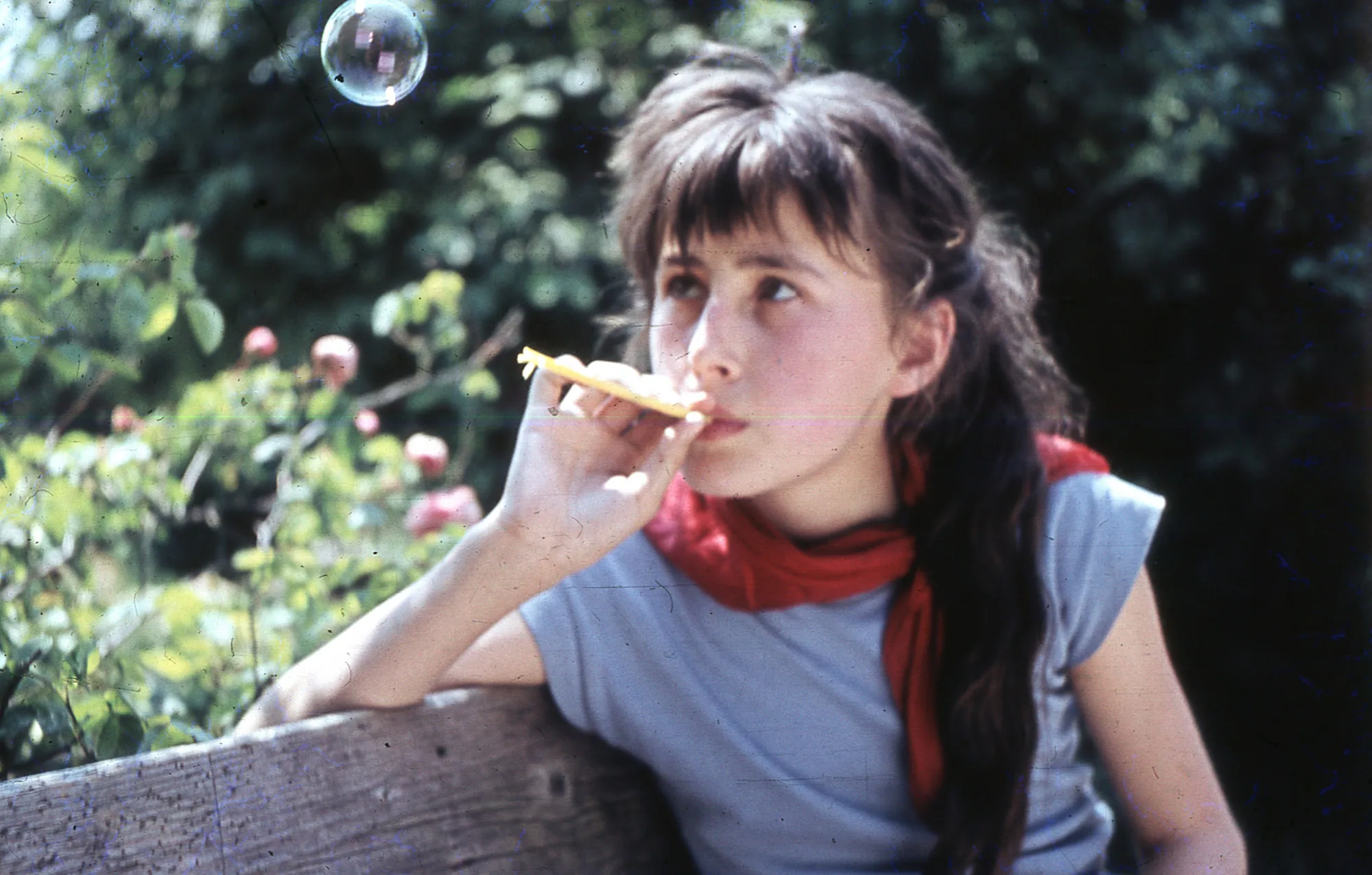
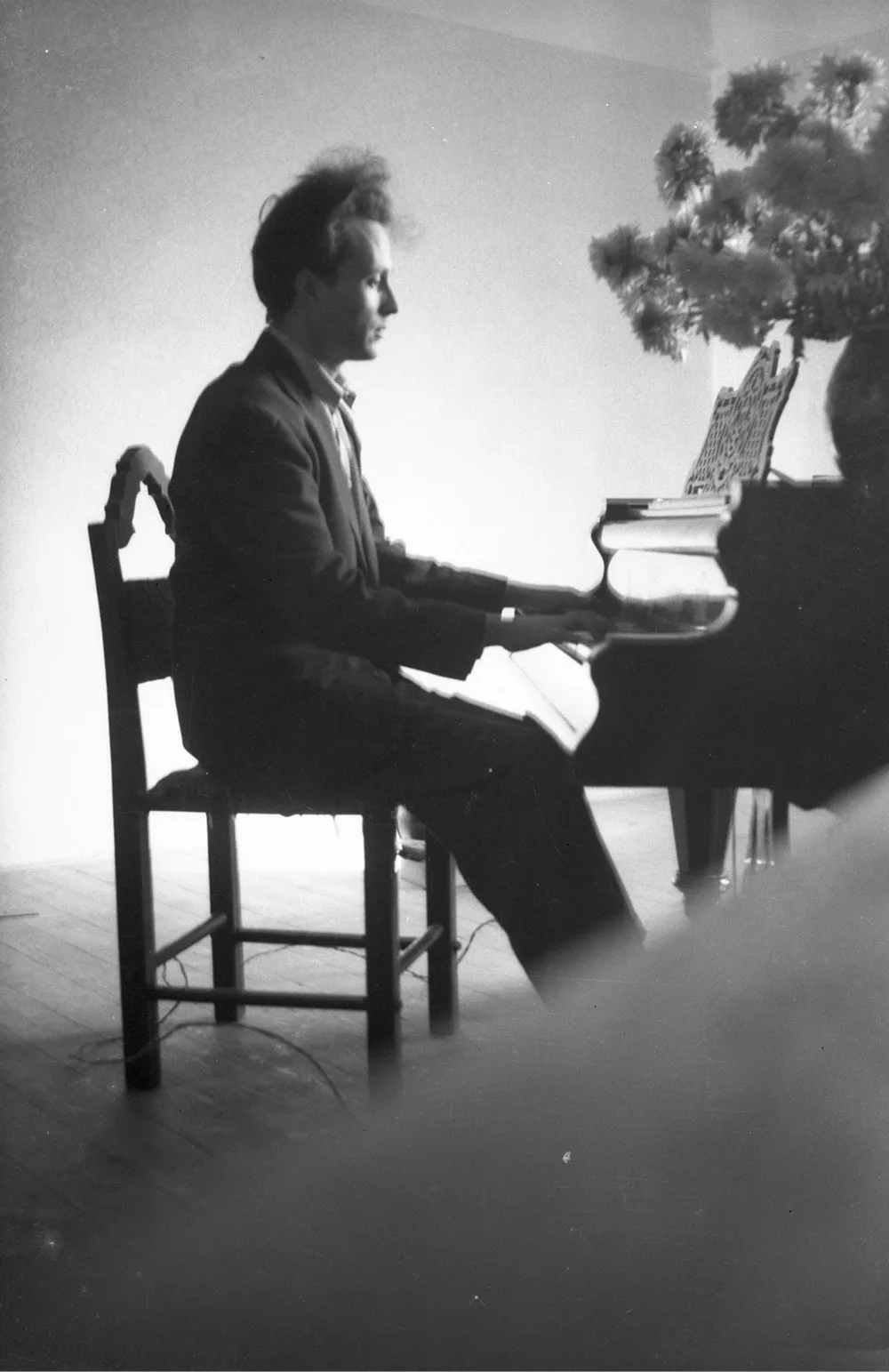
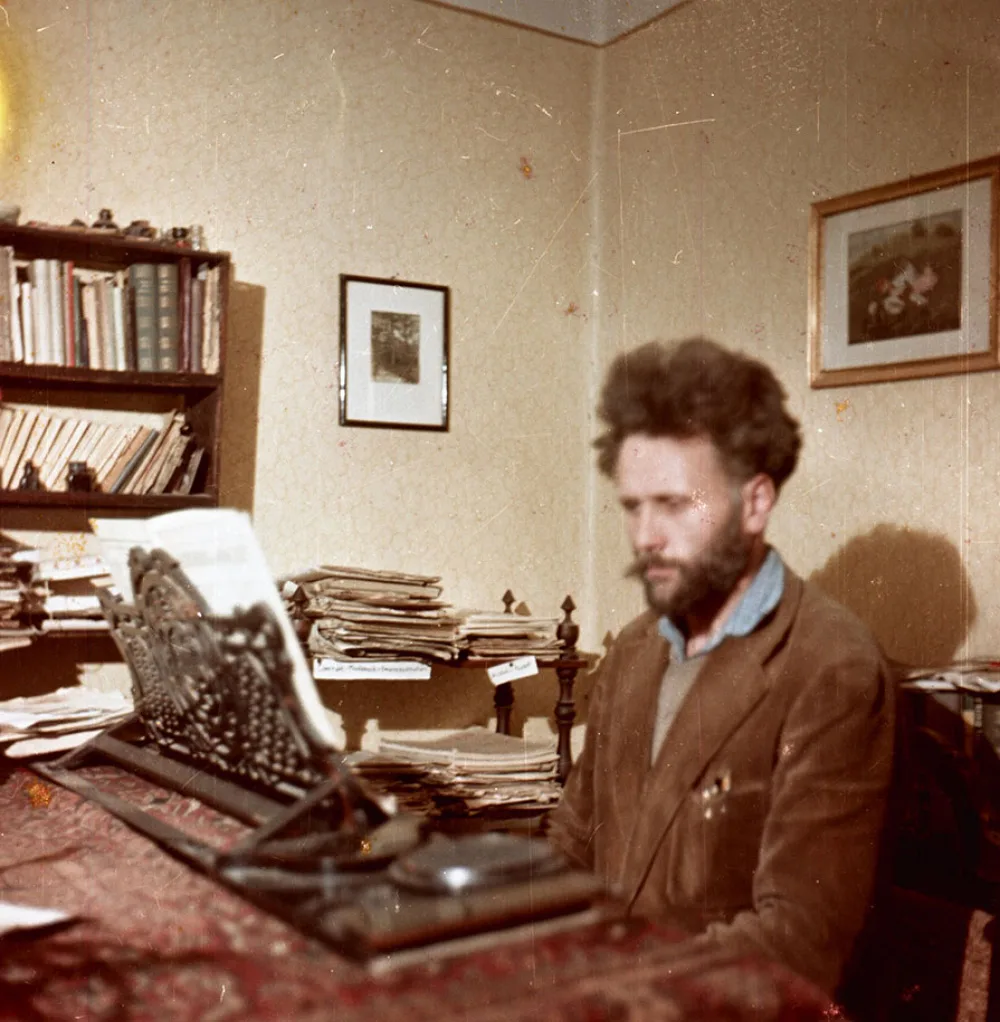
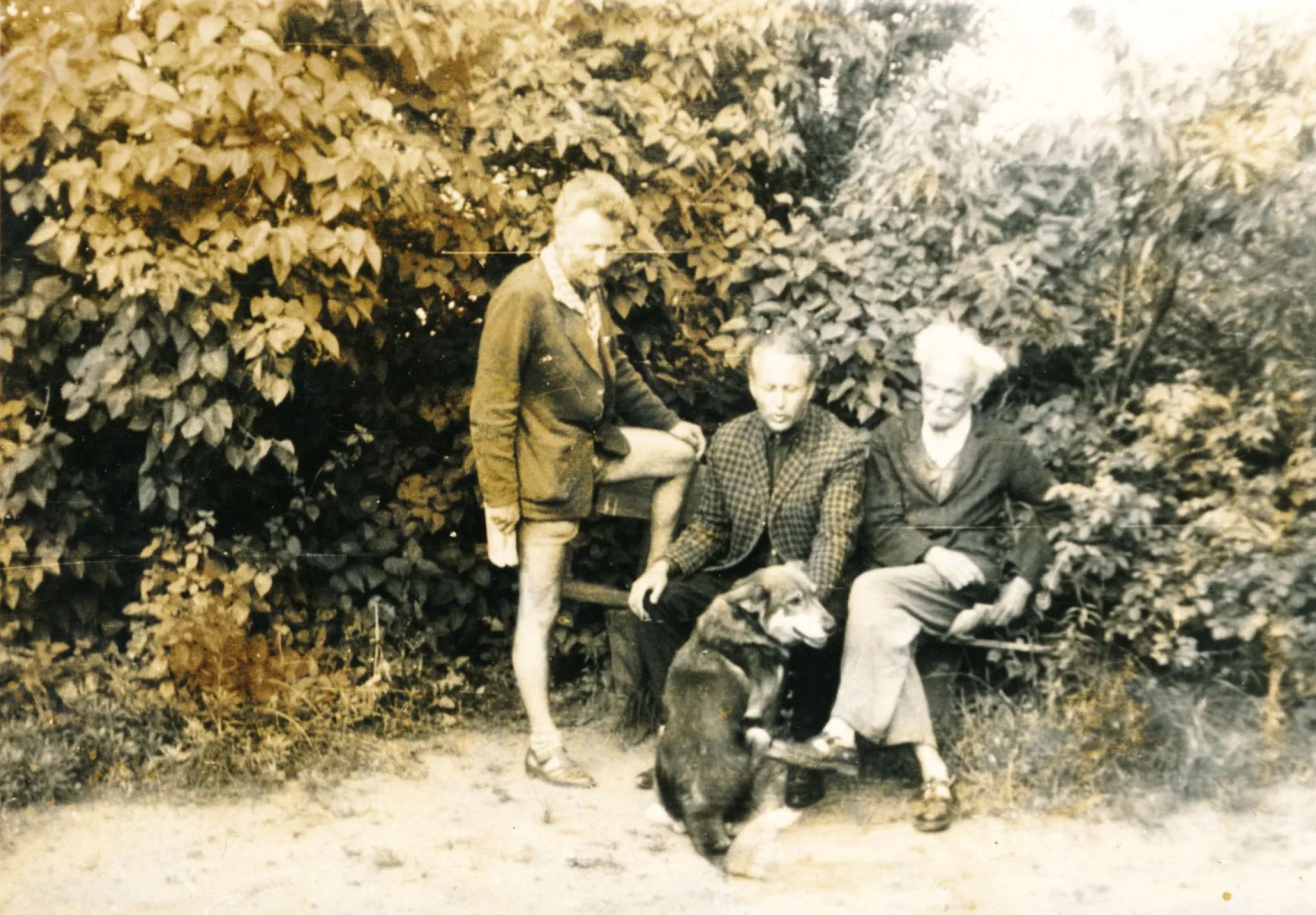
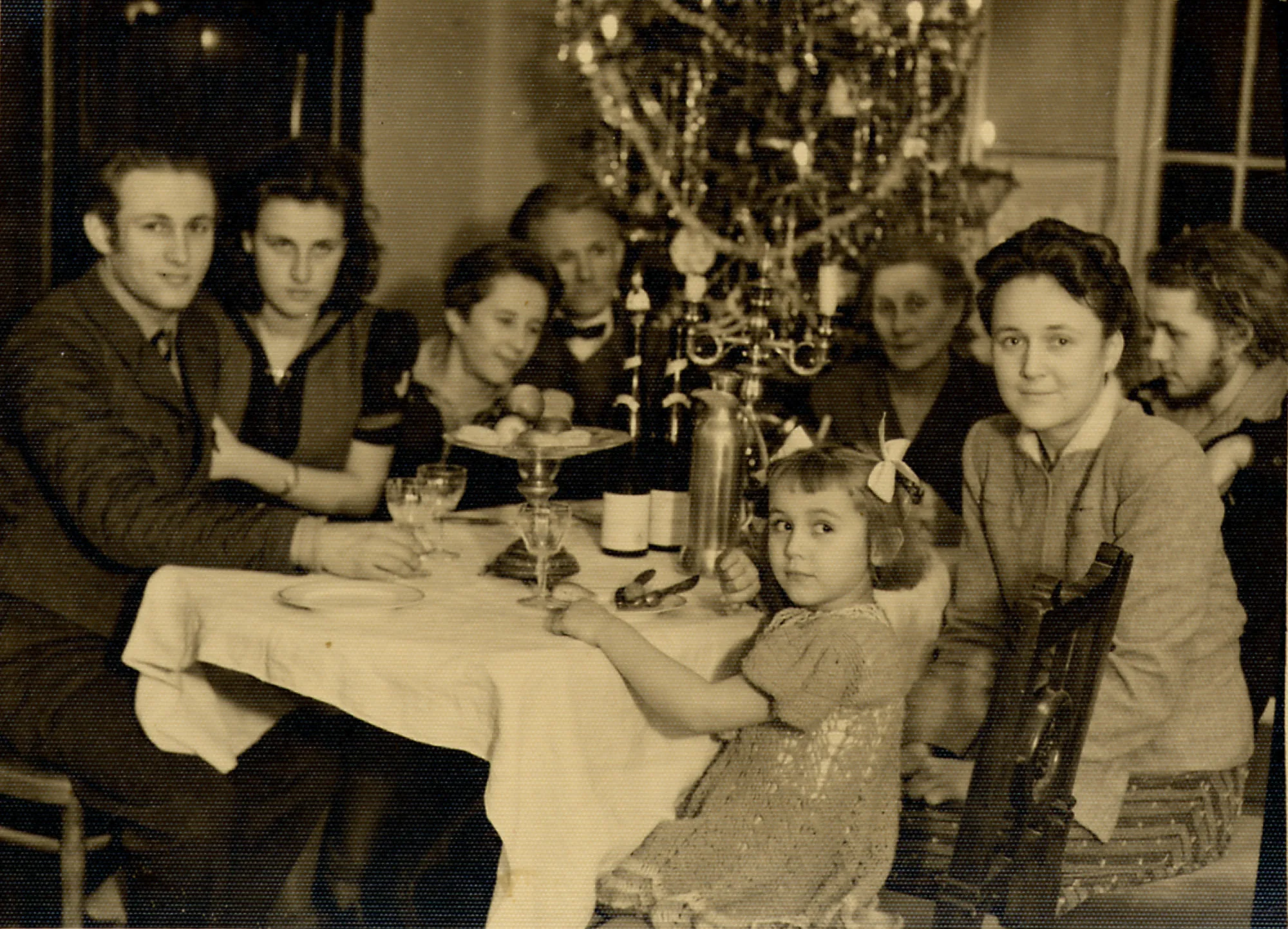
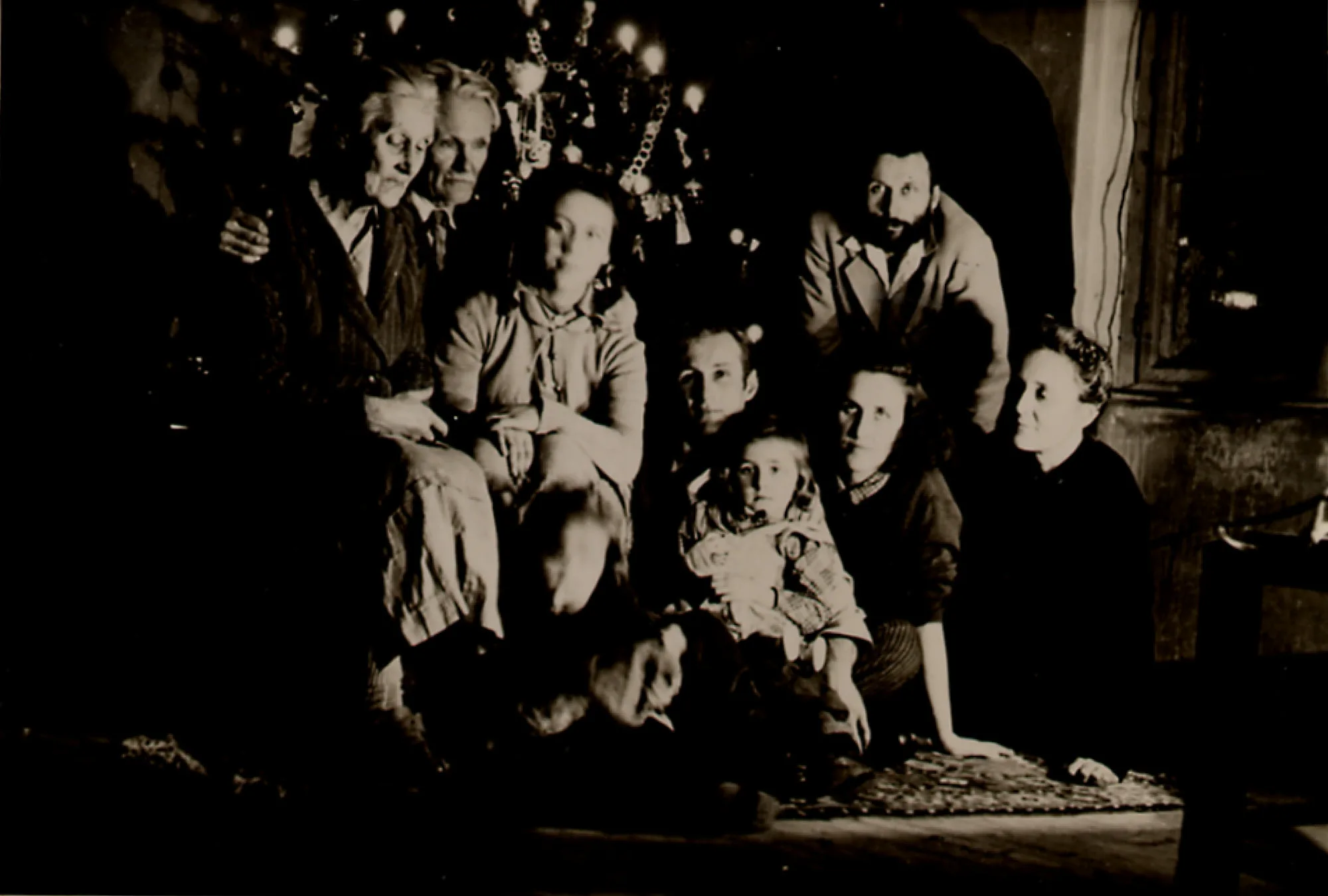
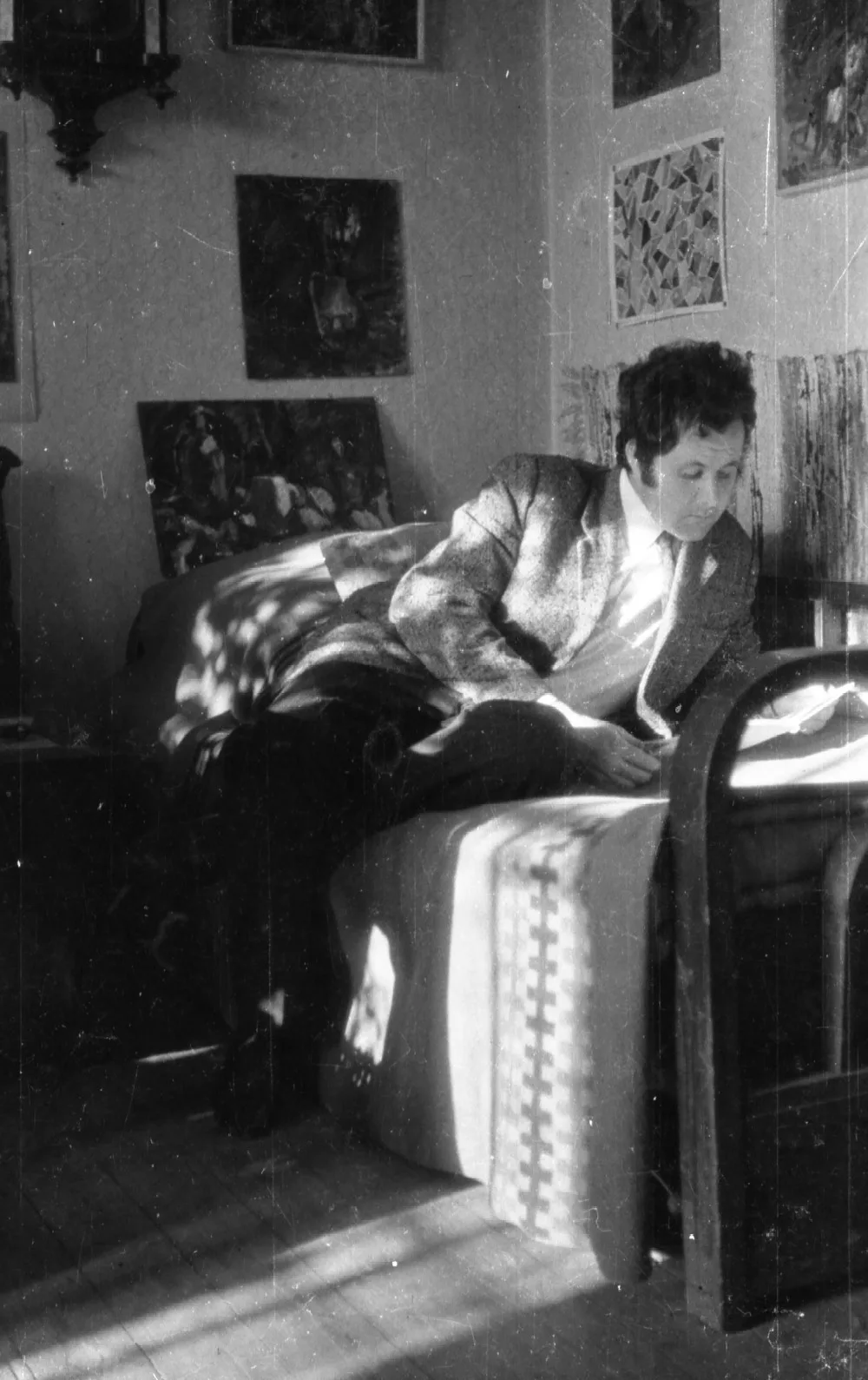
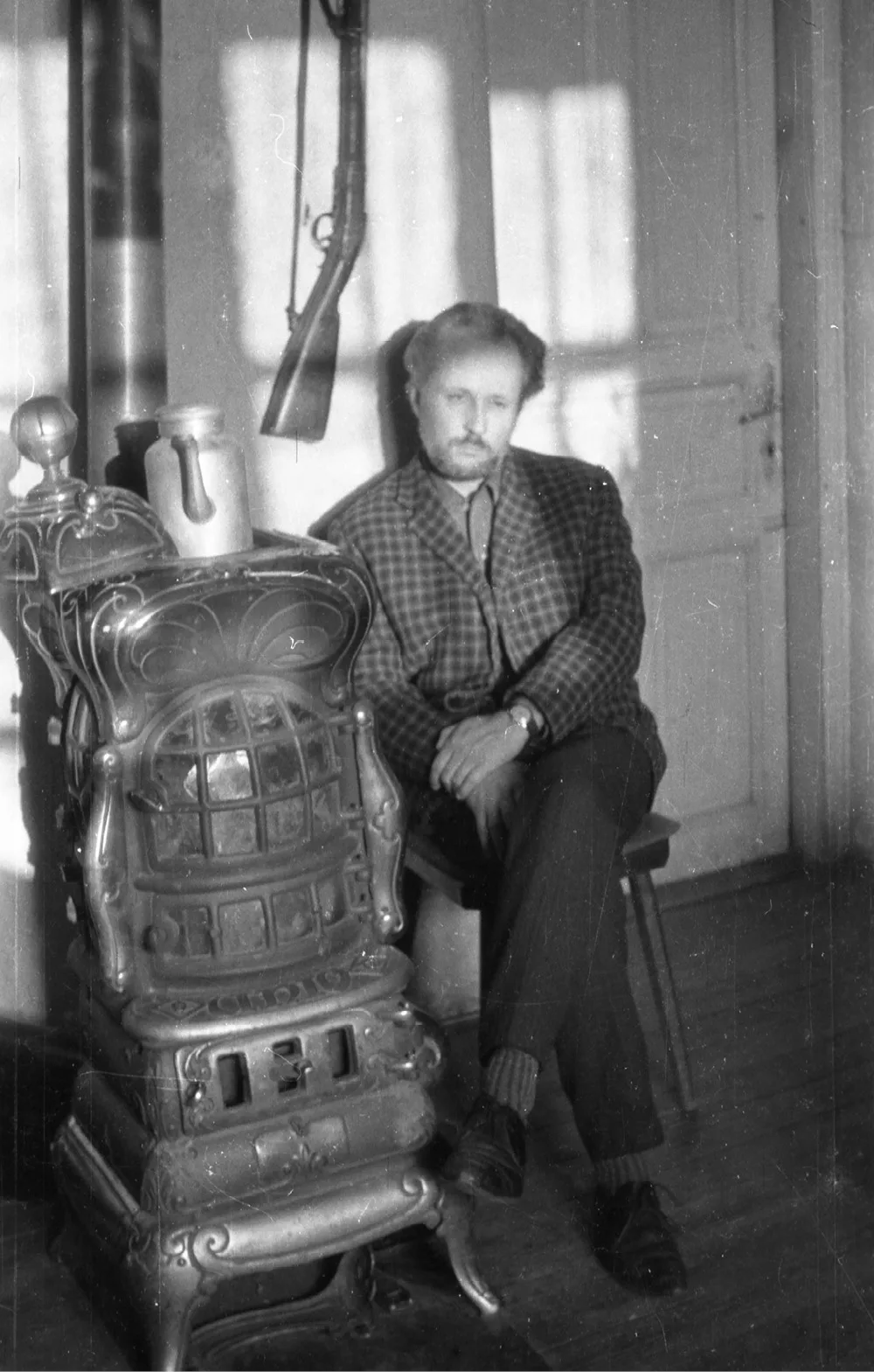
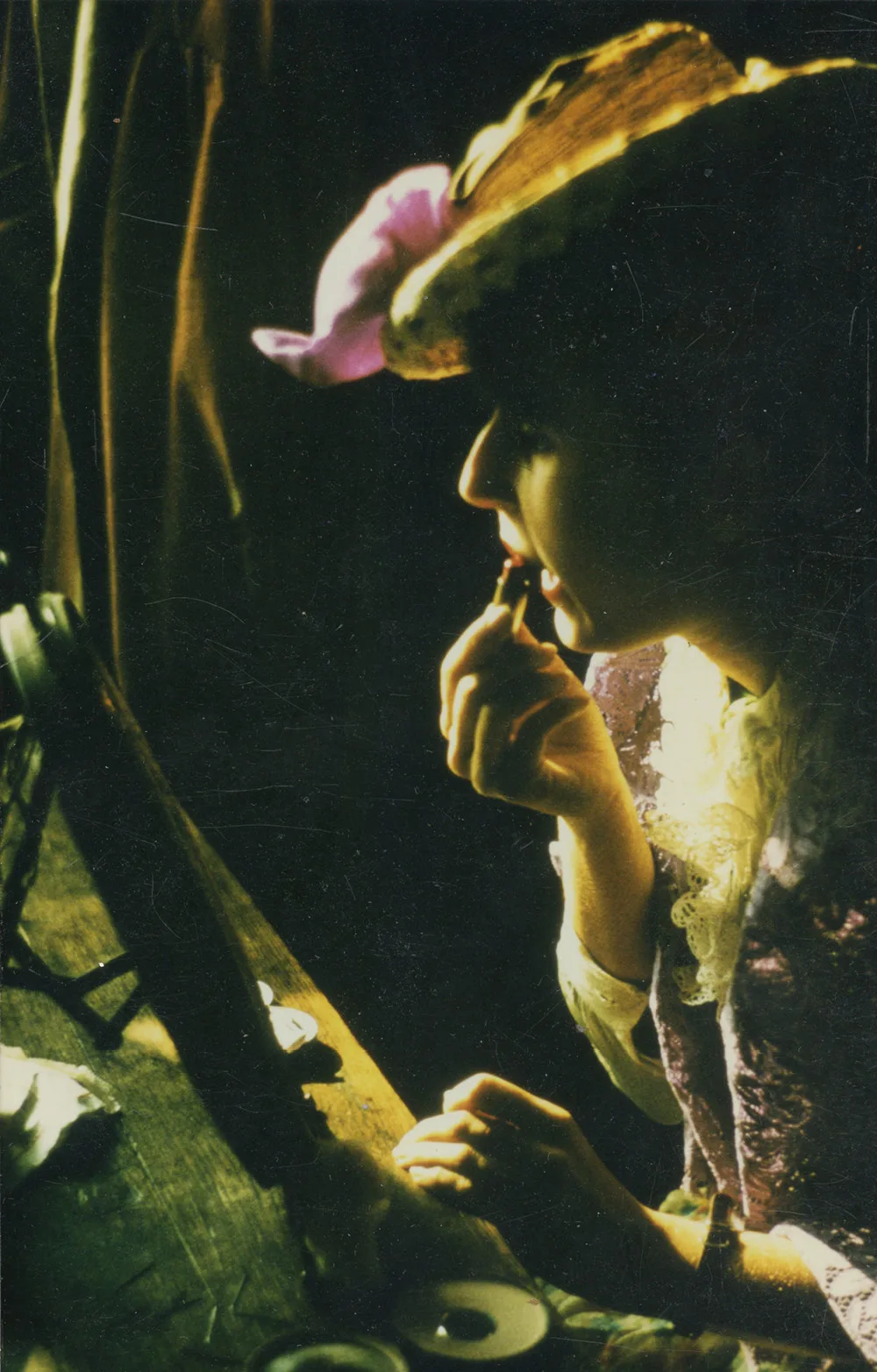
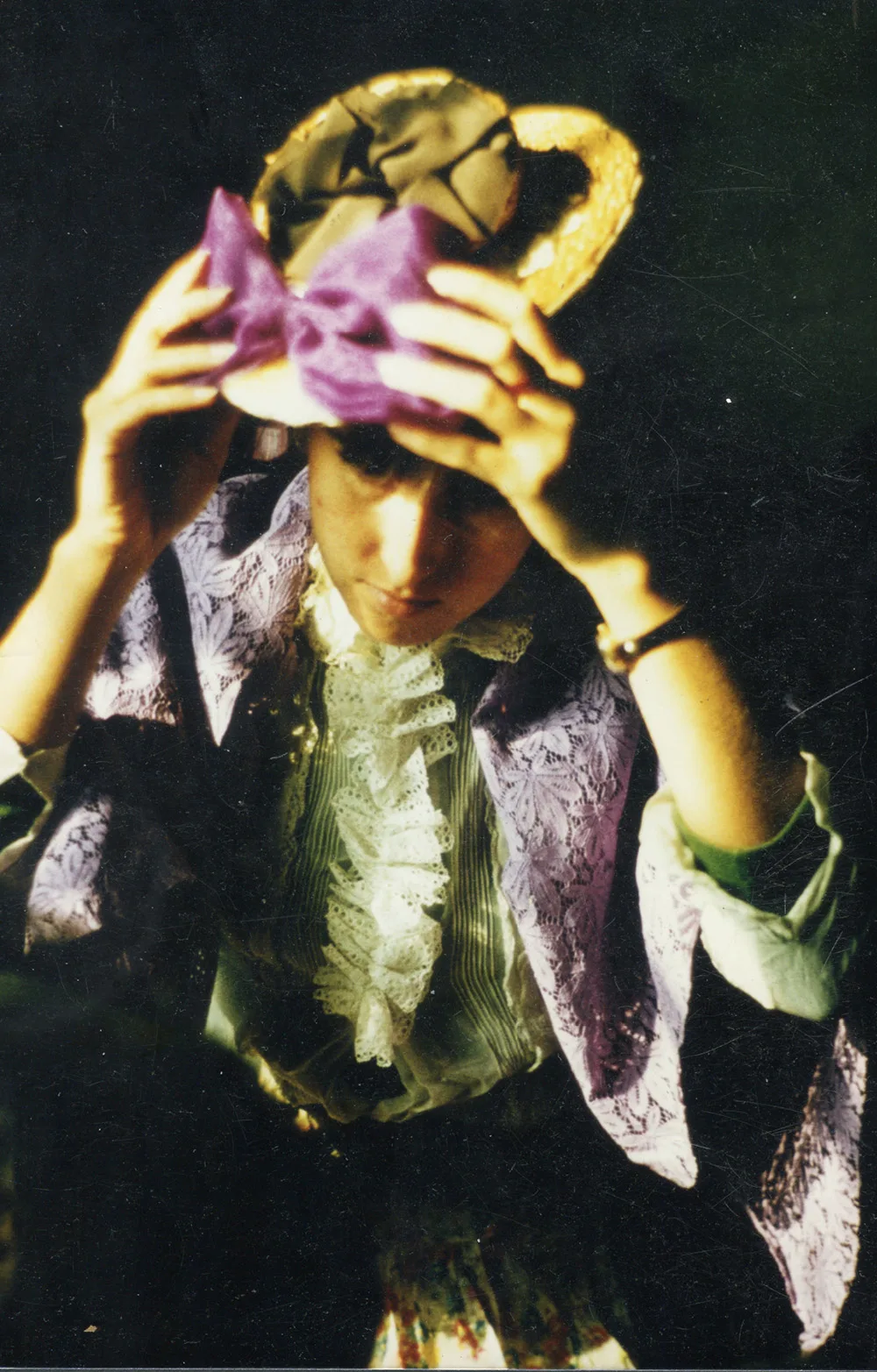
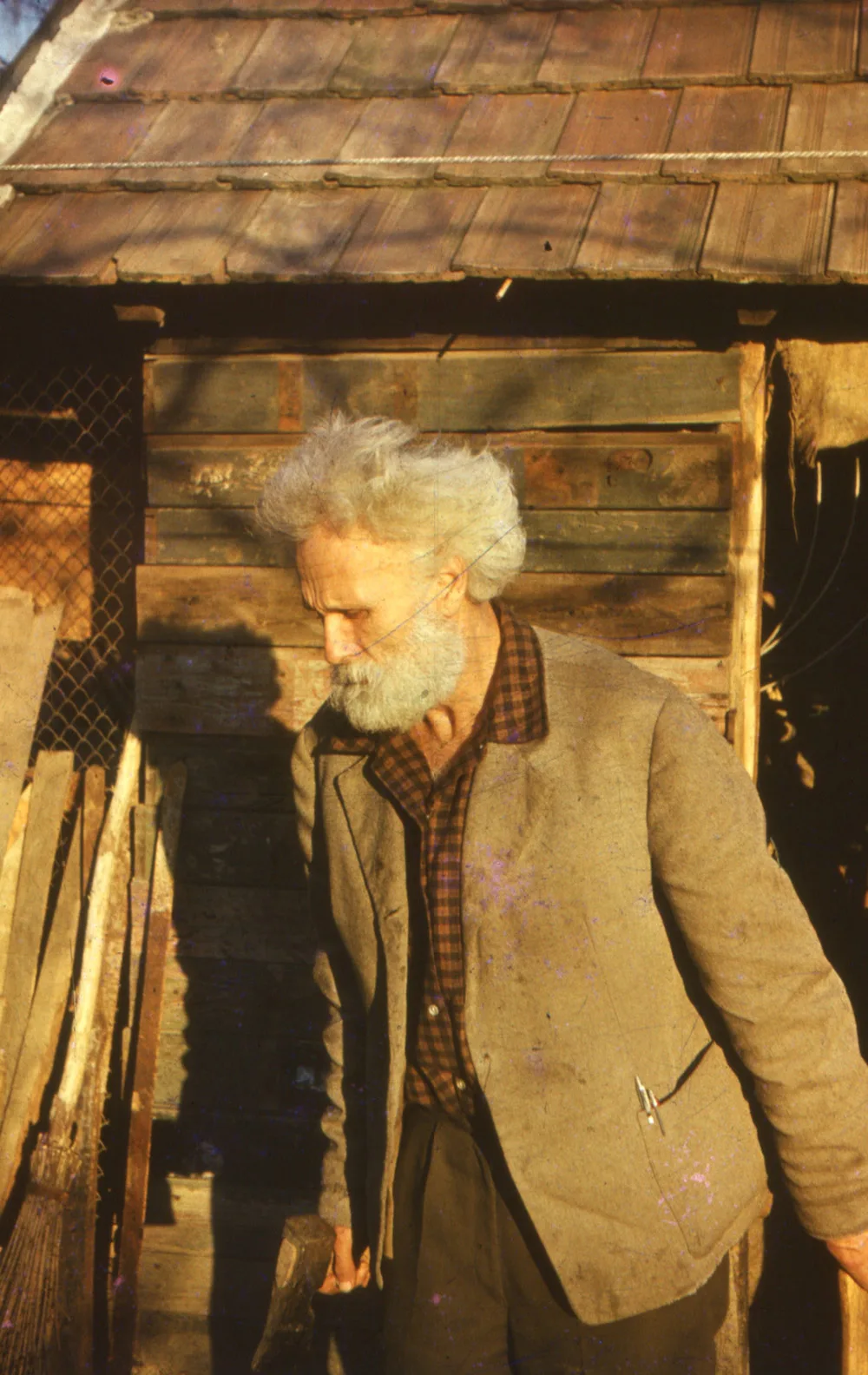
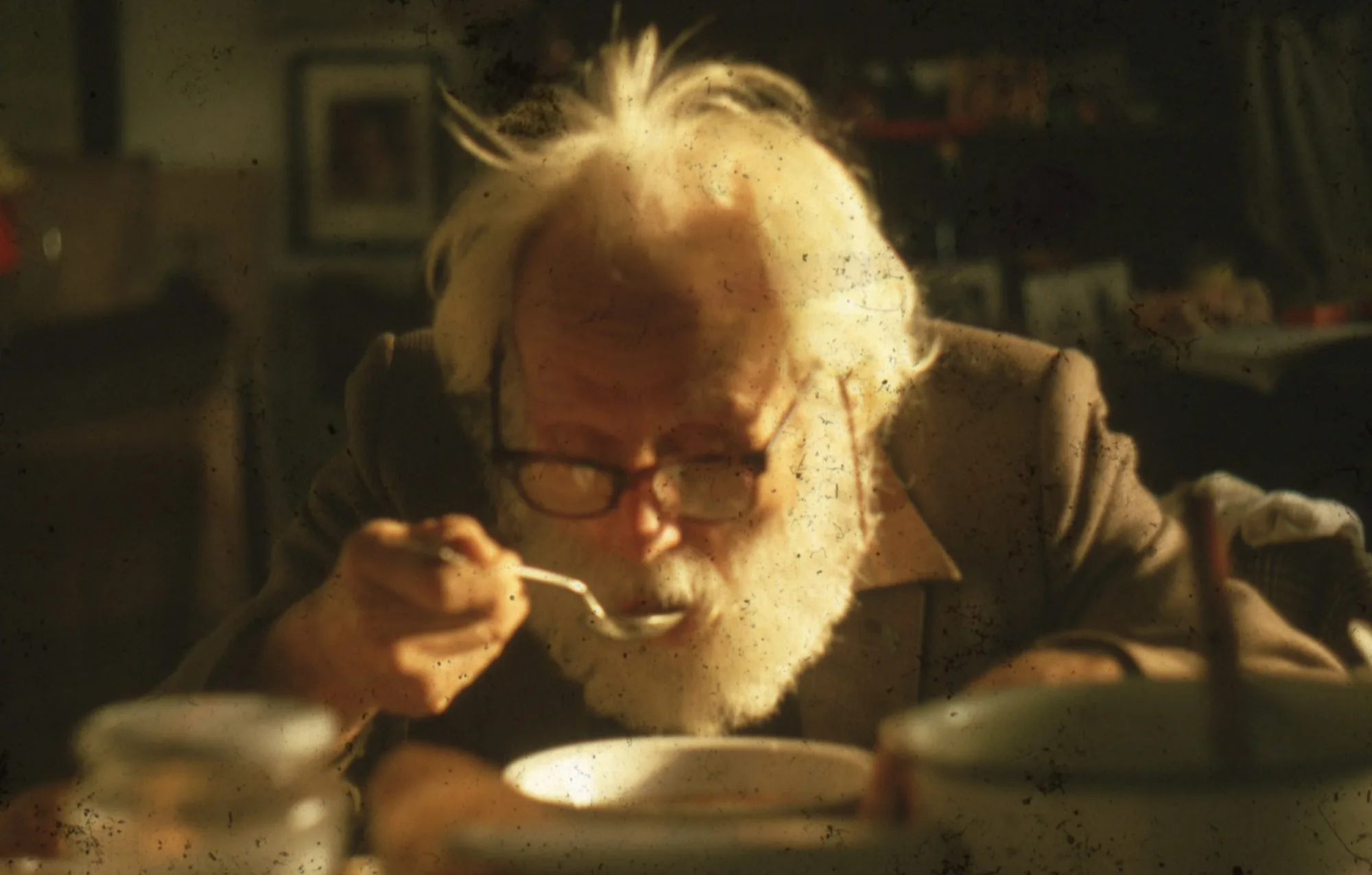
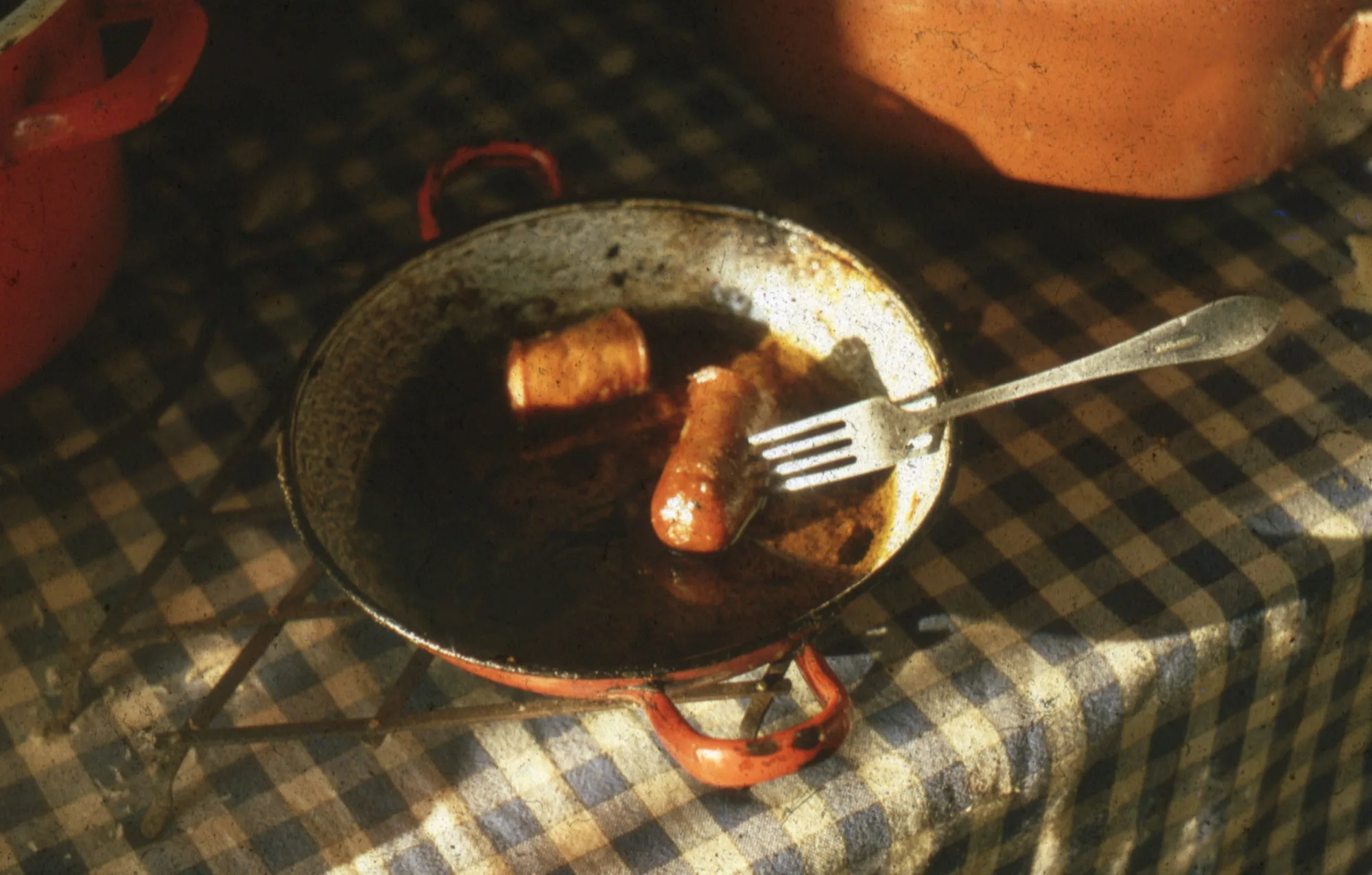
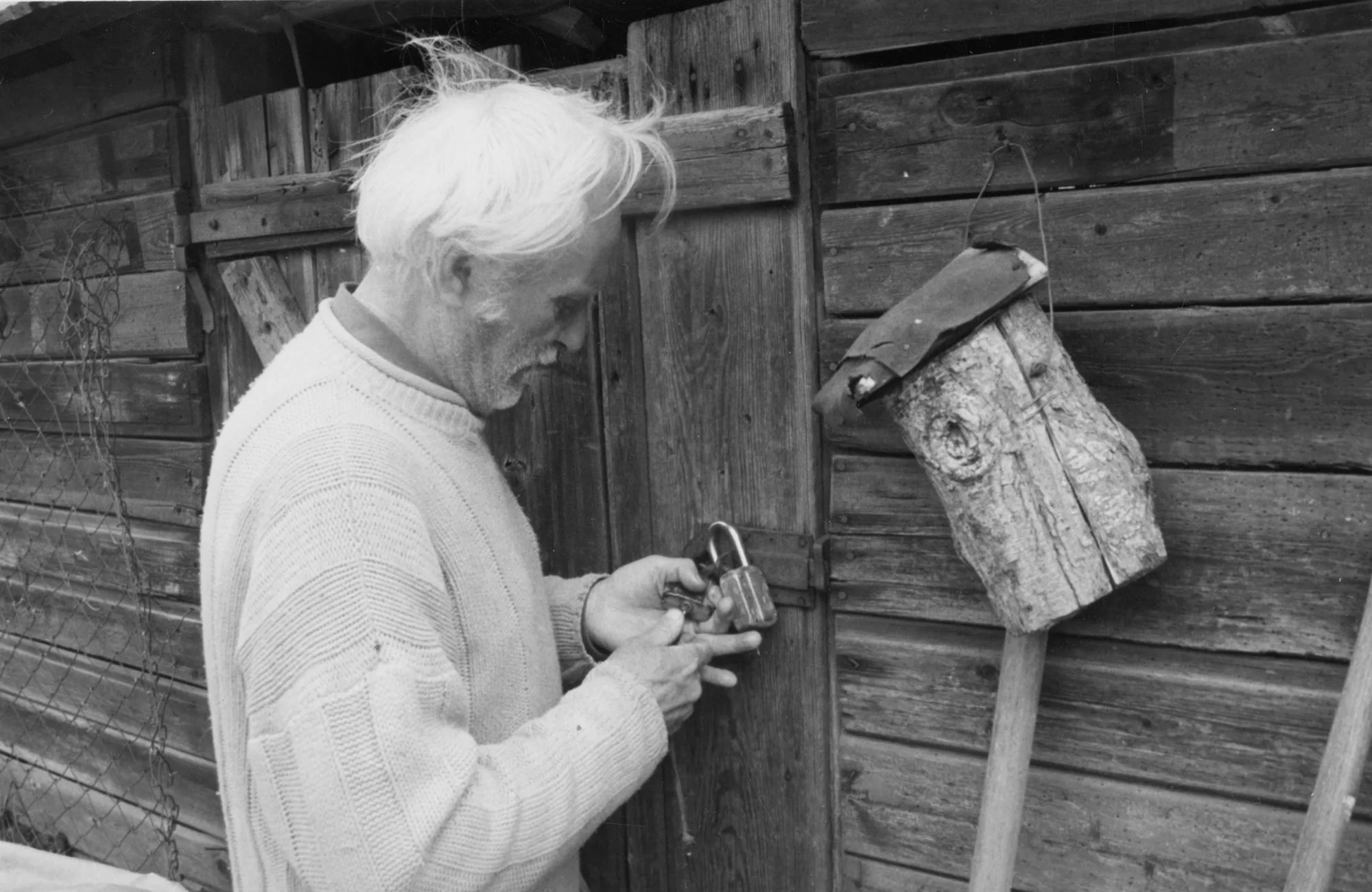
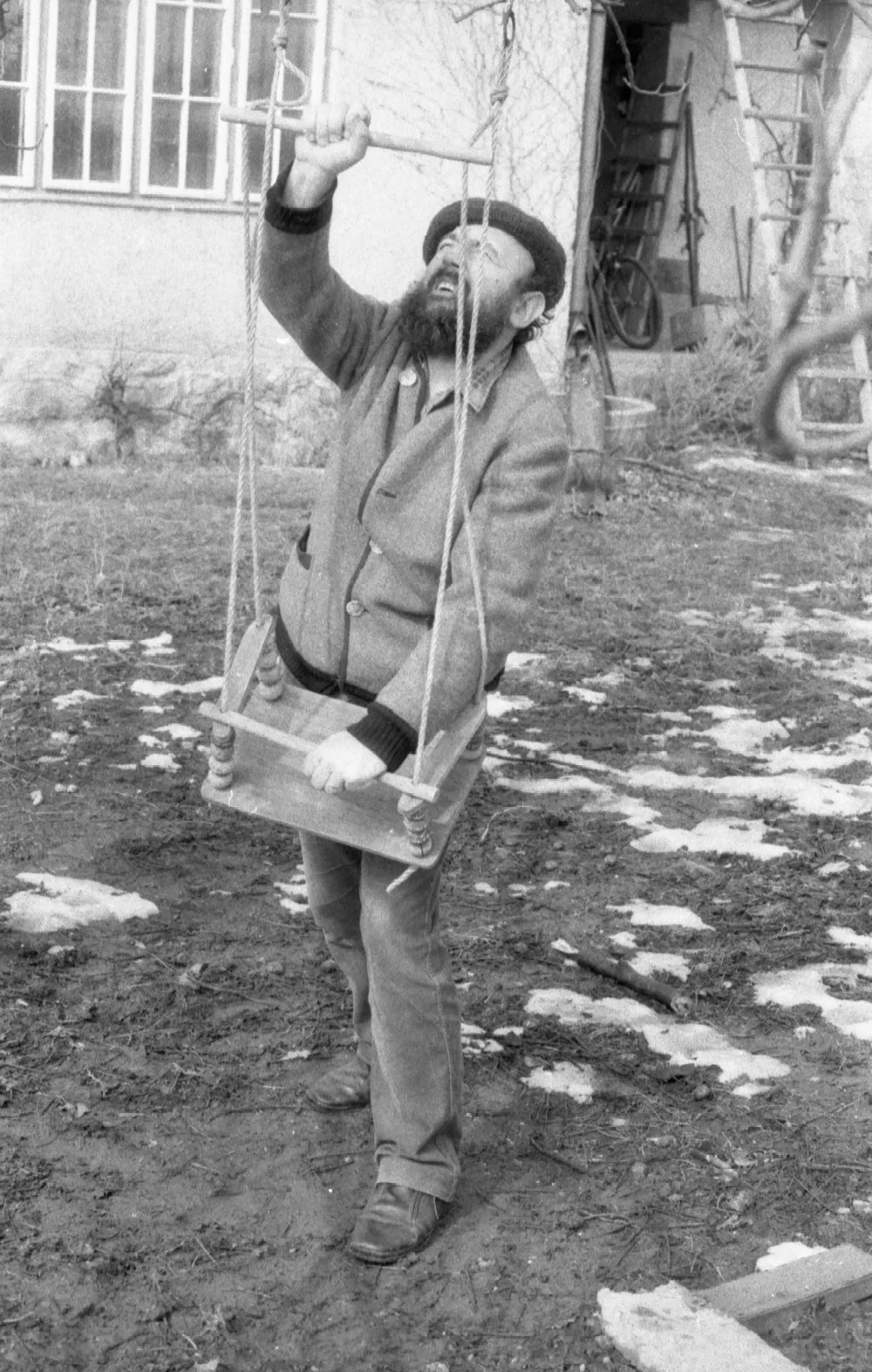
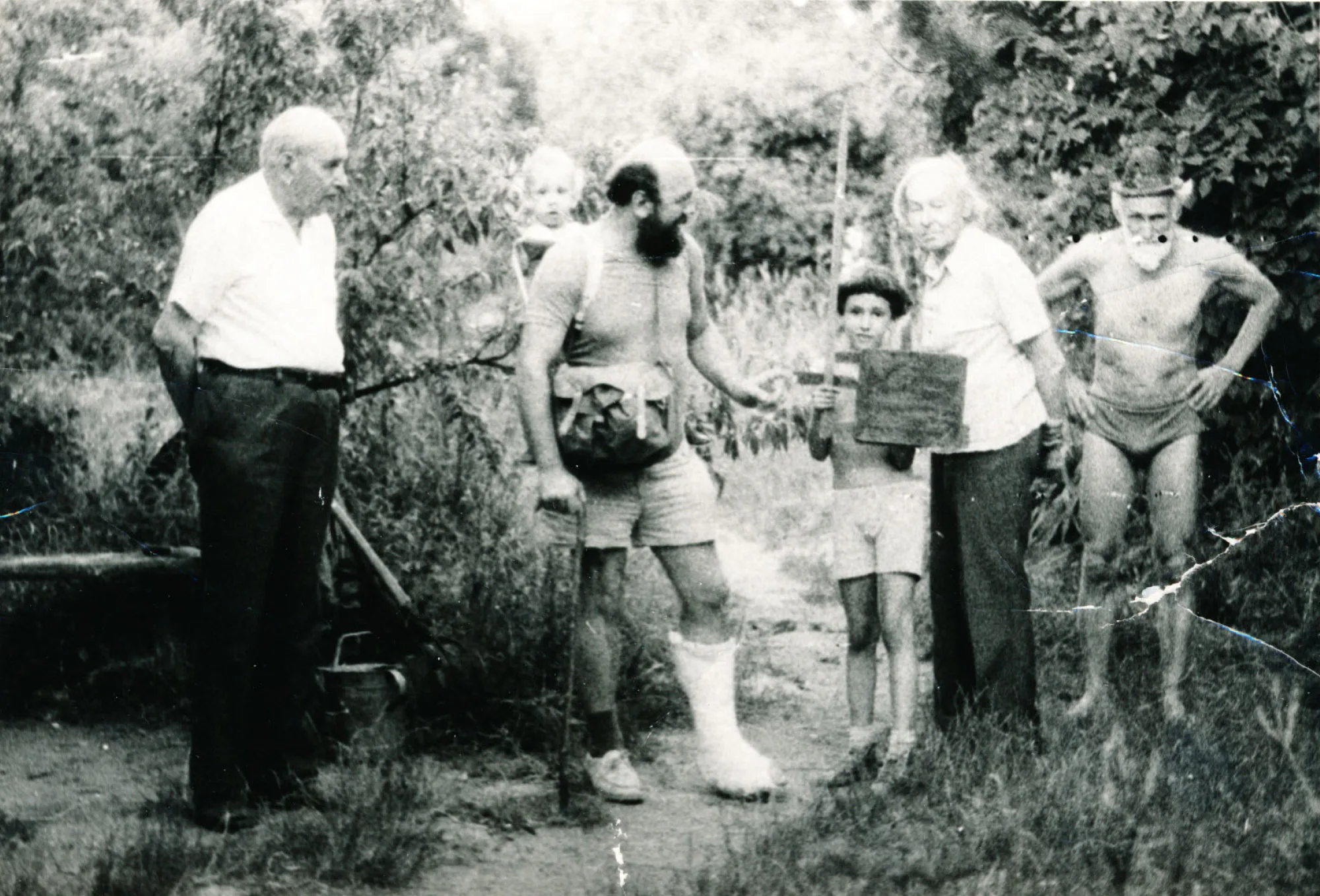
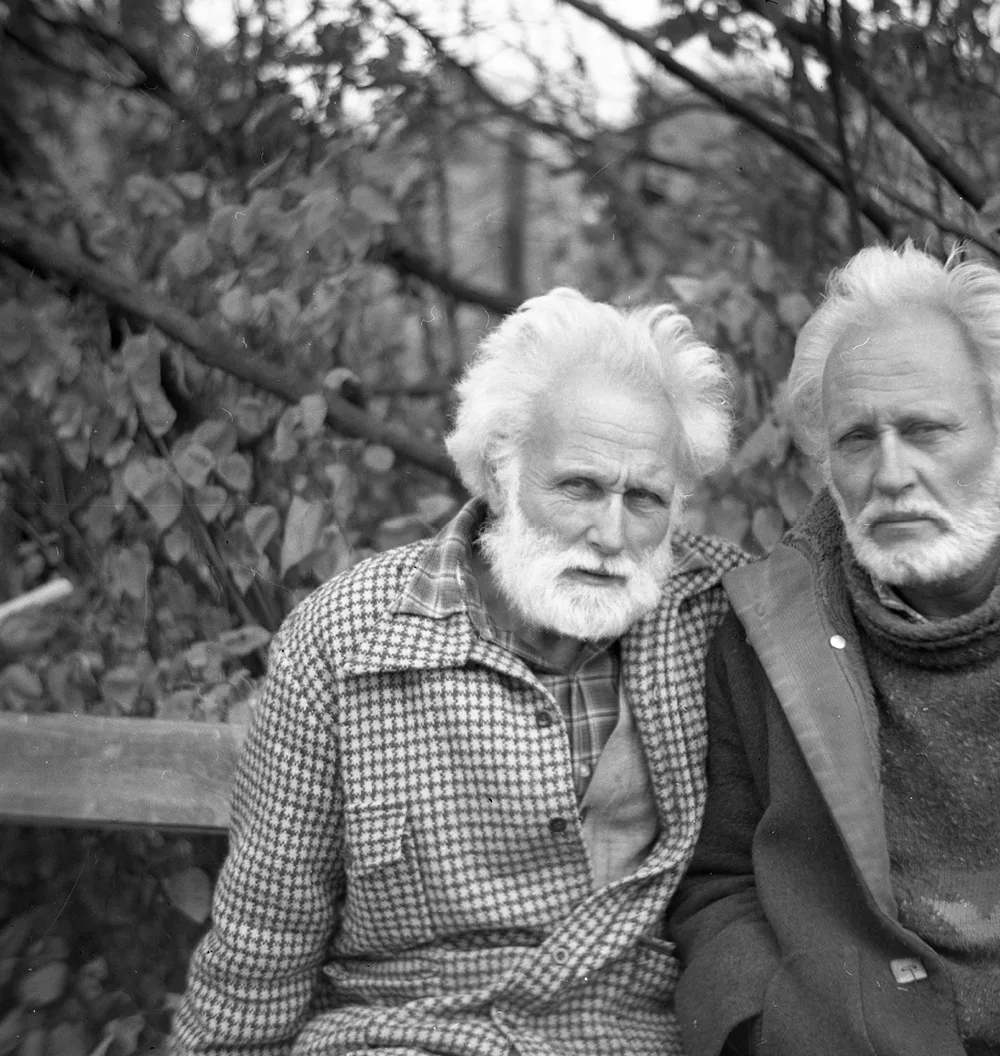
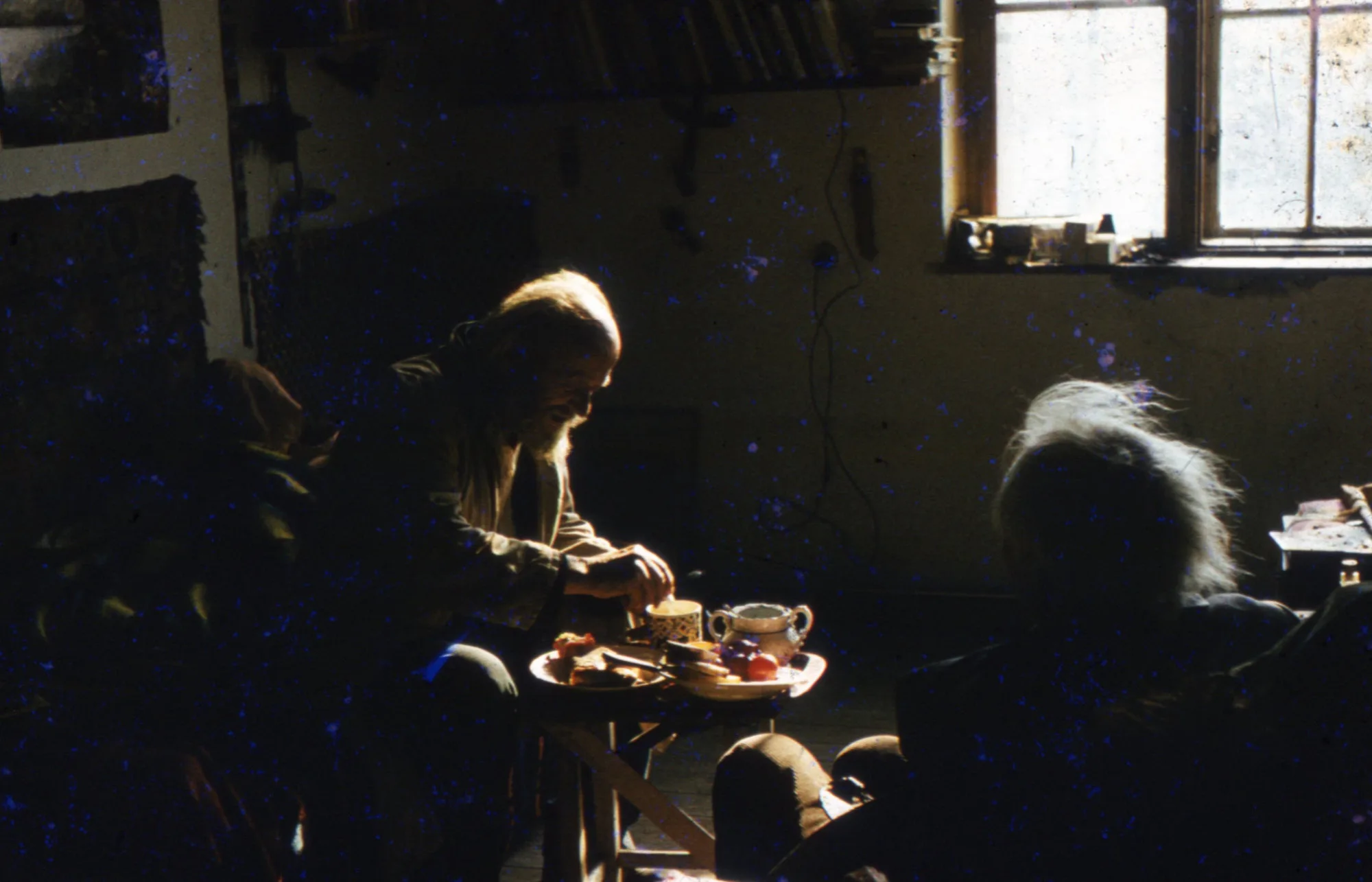
The family archive preserves nearly 20,000 photographs spanning from the 1900s to the present day. In the family, photography did not exist as an independent artistic practice but served as a means to document a captivating kaleidoscope of people, events, places, objects, works, and actions. These are private photographs that, nevertheless, transcend the scope and themes of an average family archive.
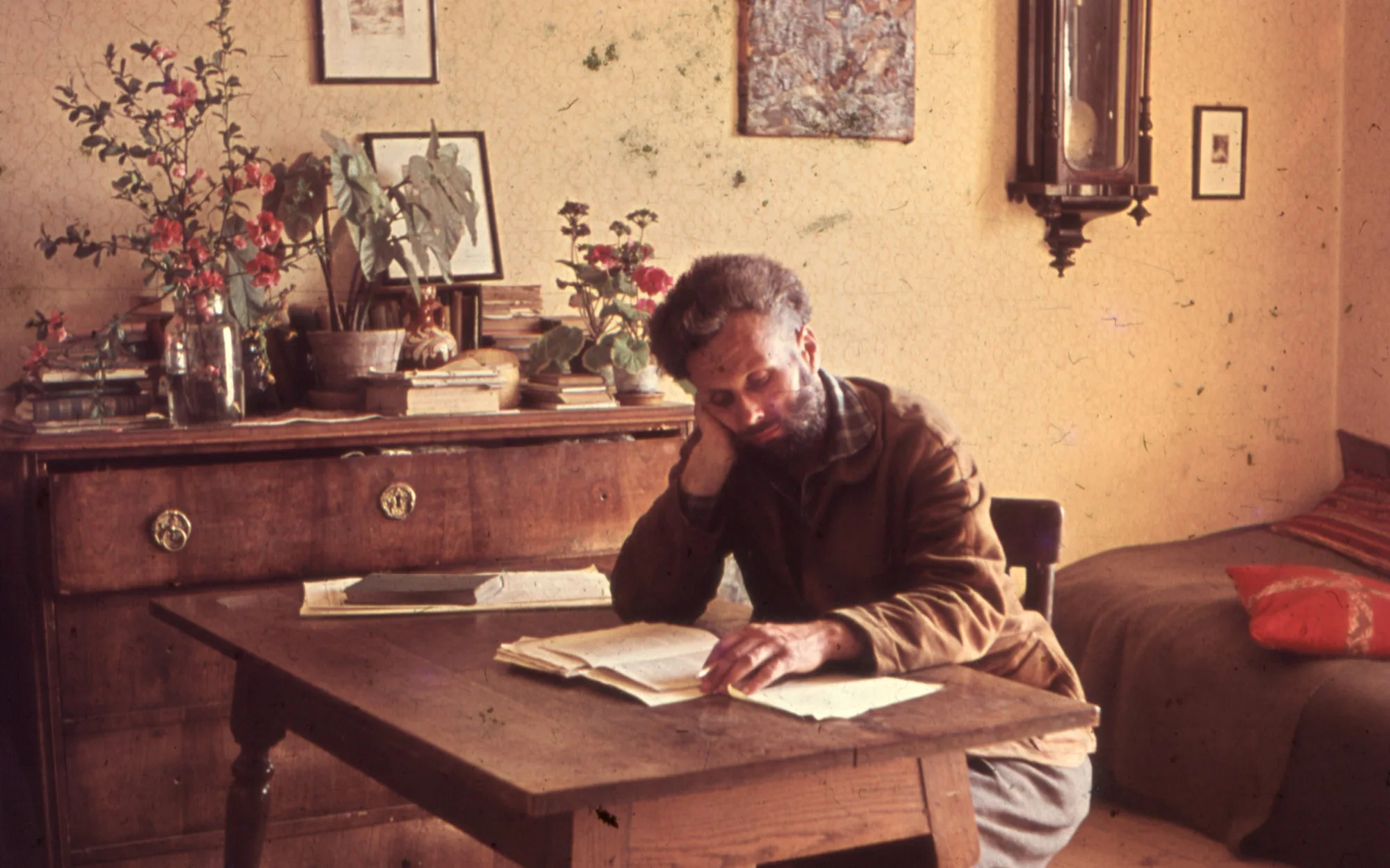
The multi-layered and almost inextricably diverse photo collection begins with images of the young Jenő Remsey and Vilma Frey. Jenő arrived in Gödöllő on a three-year art scholarship, where he met Vilma, who had moved there due to the artist colony and weaving workshop, and who would later become his wife.
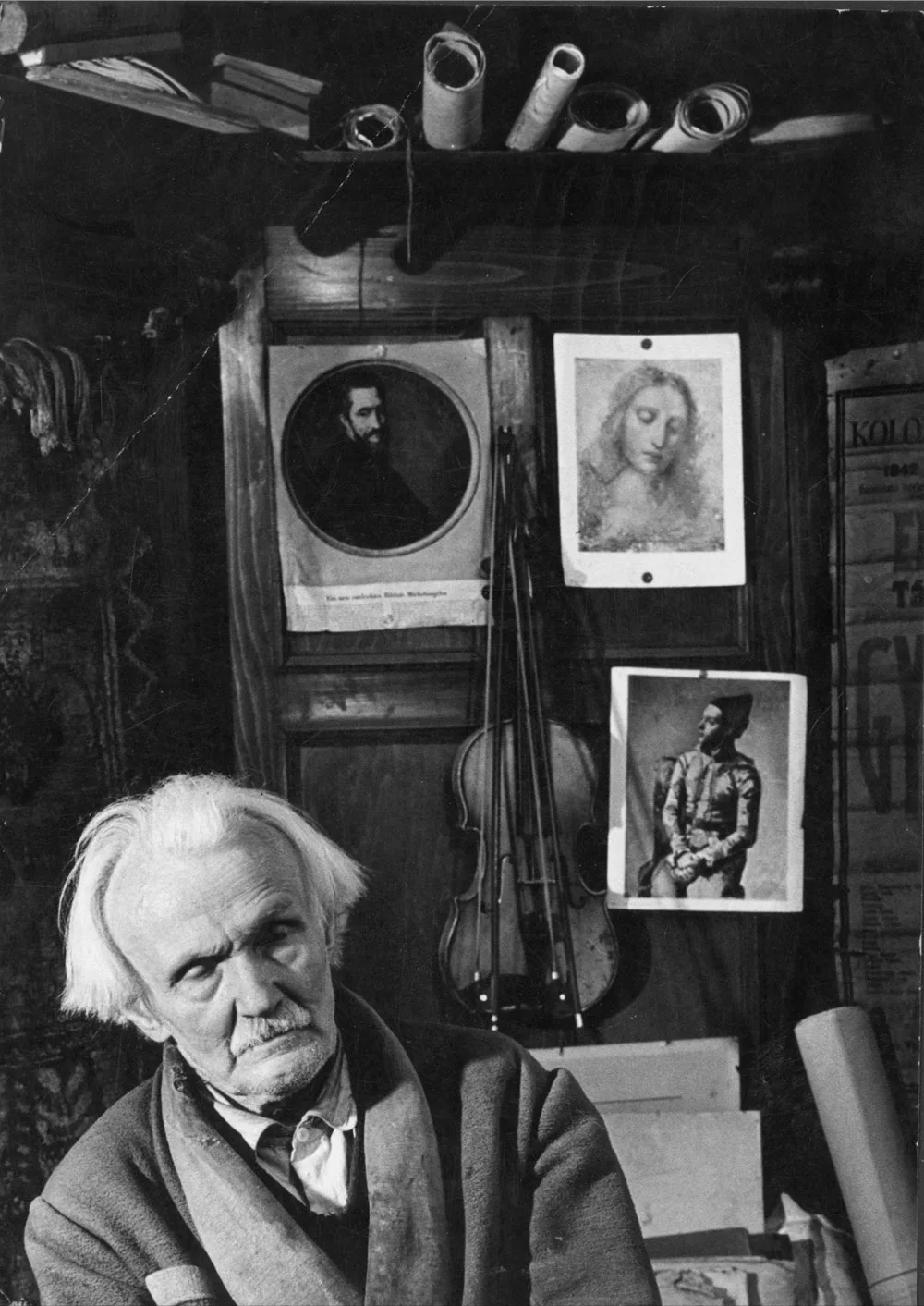
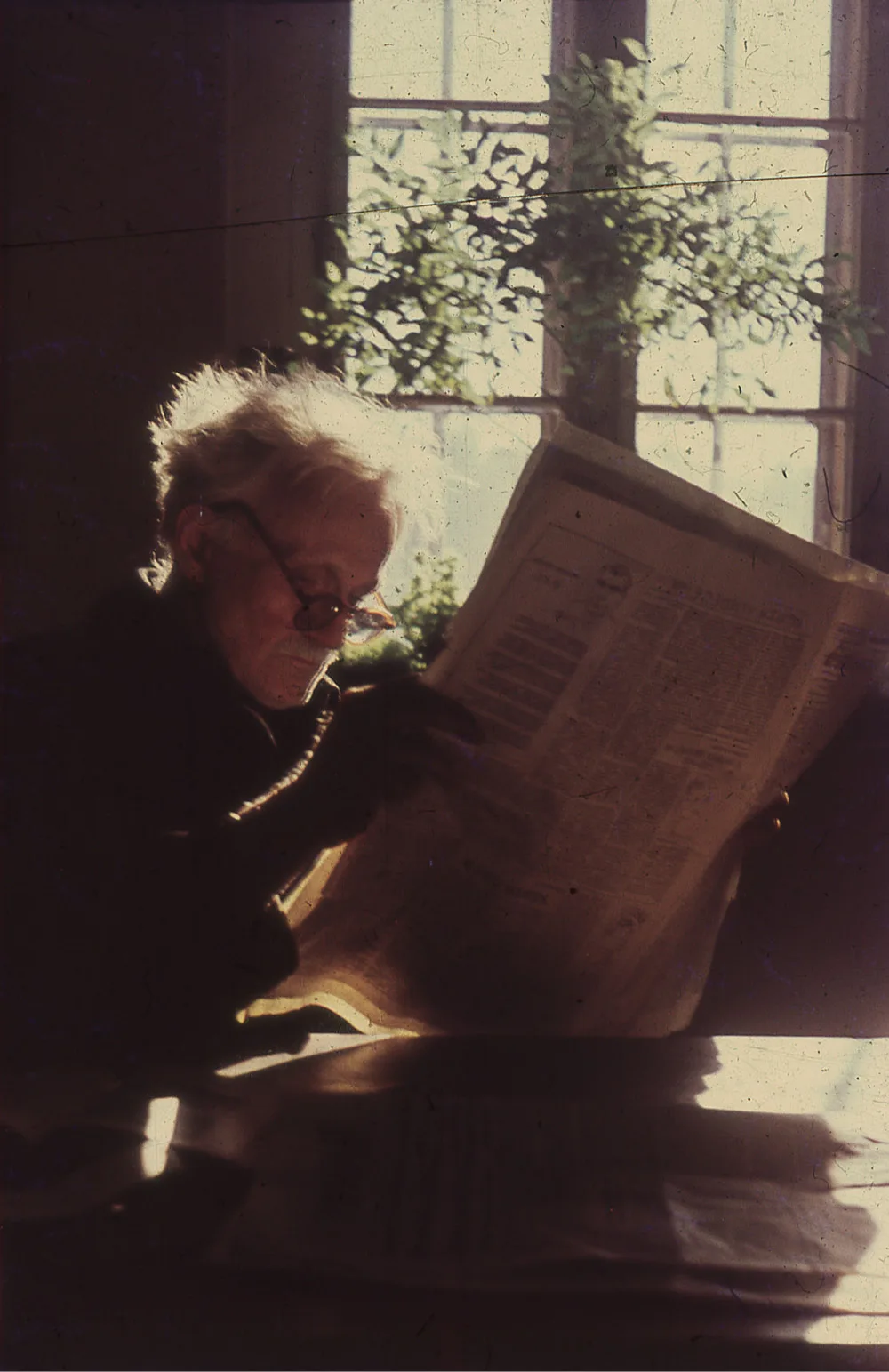
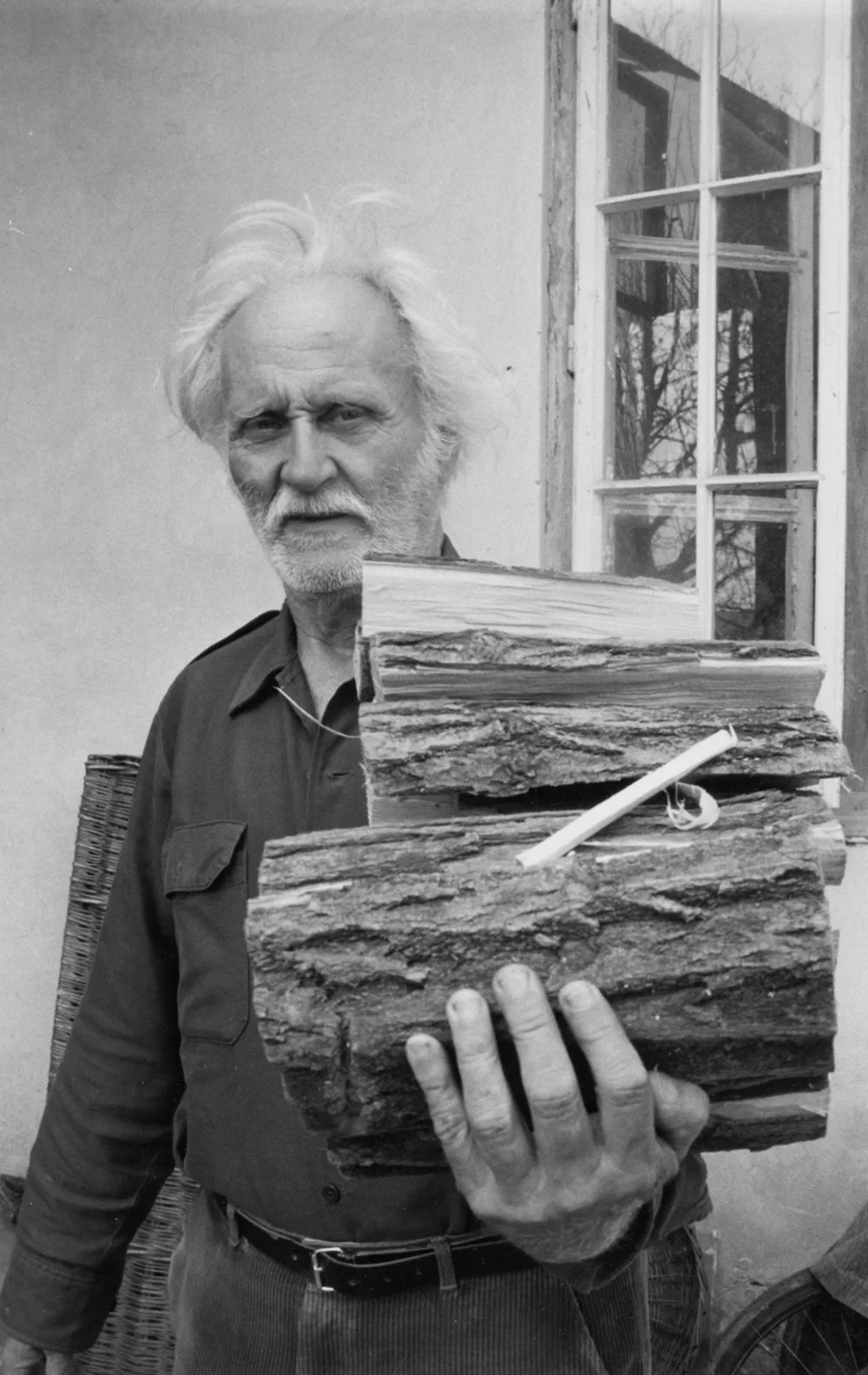
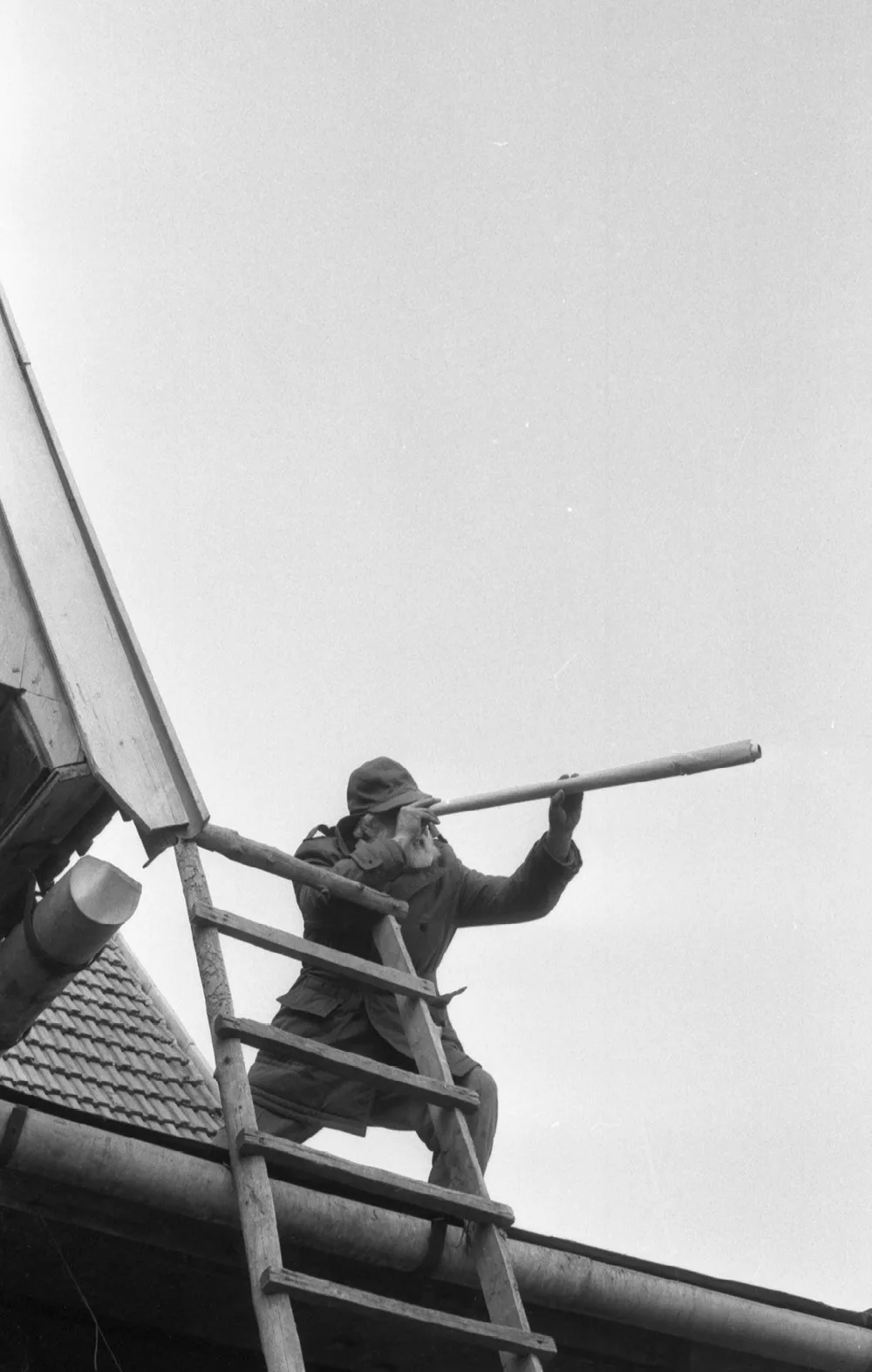
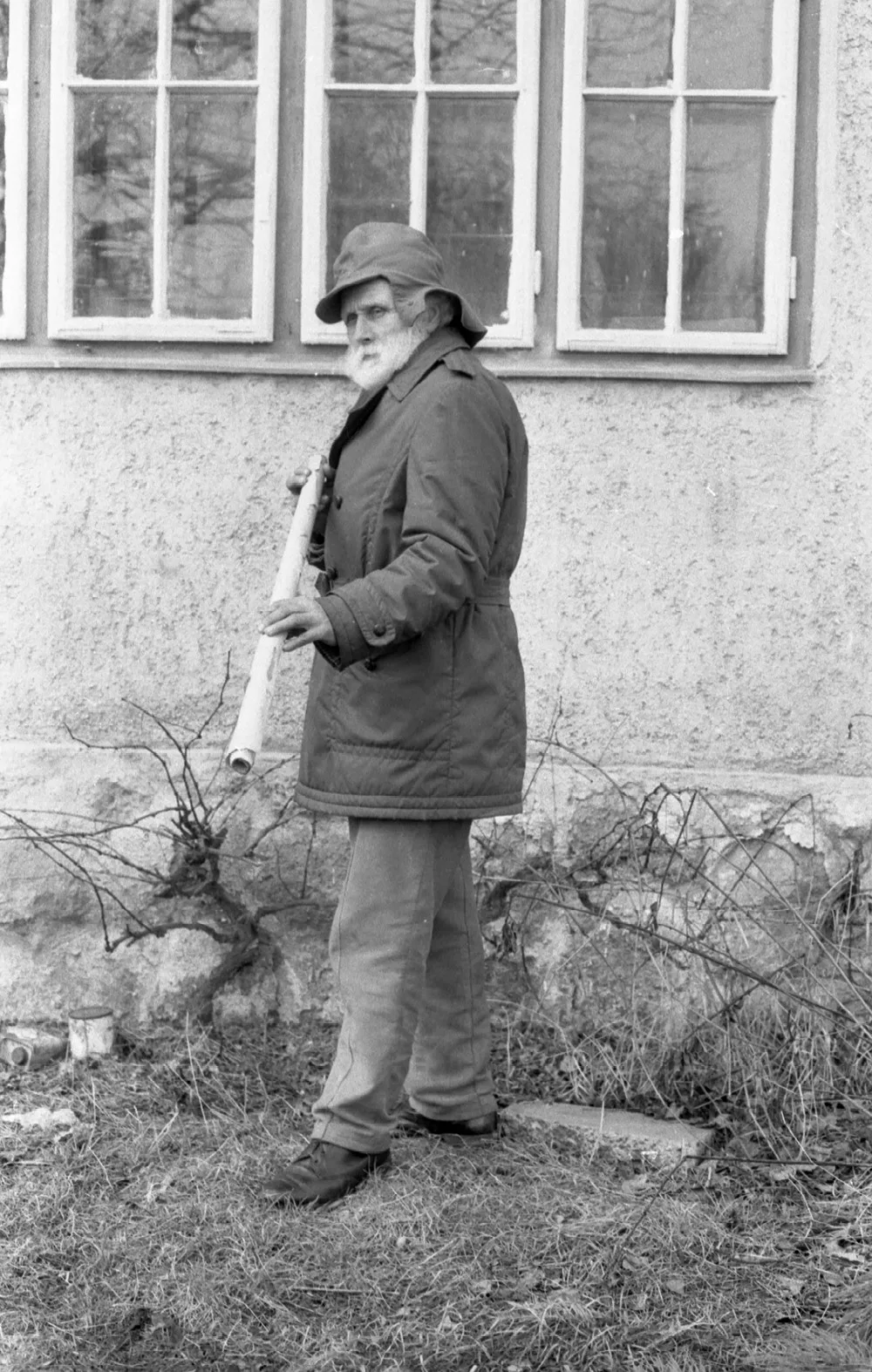
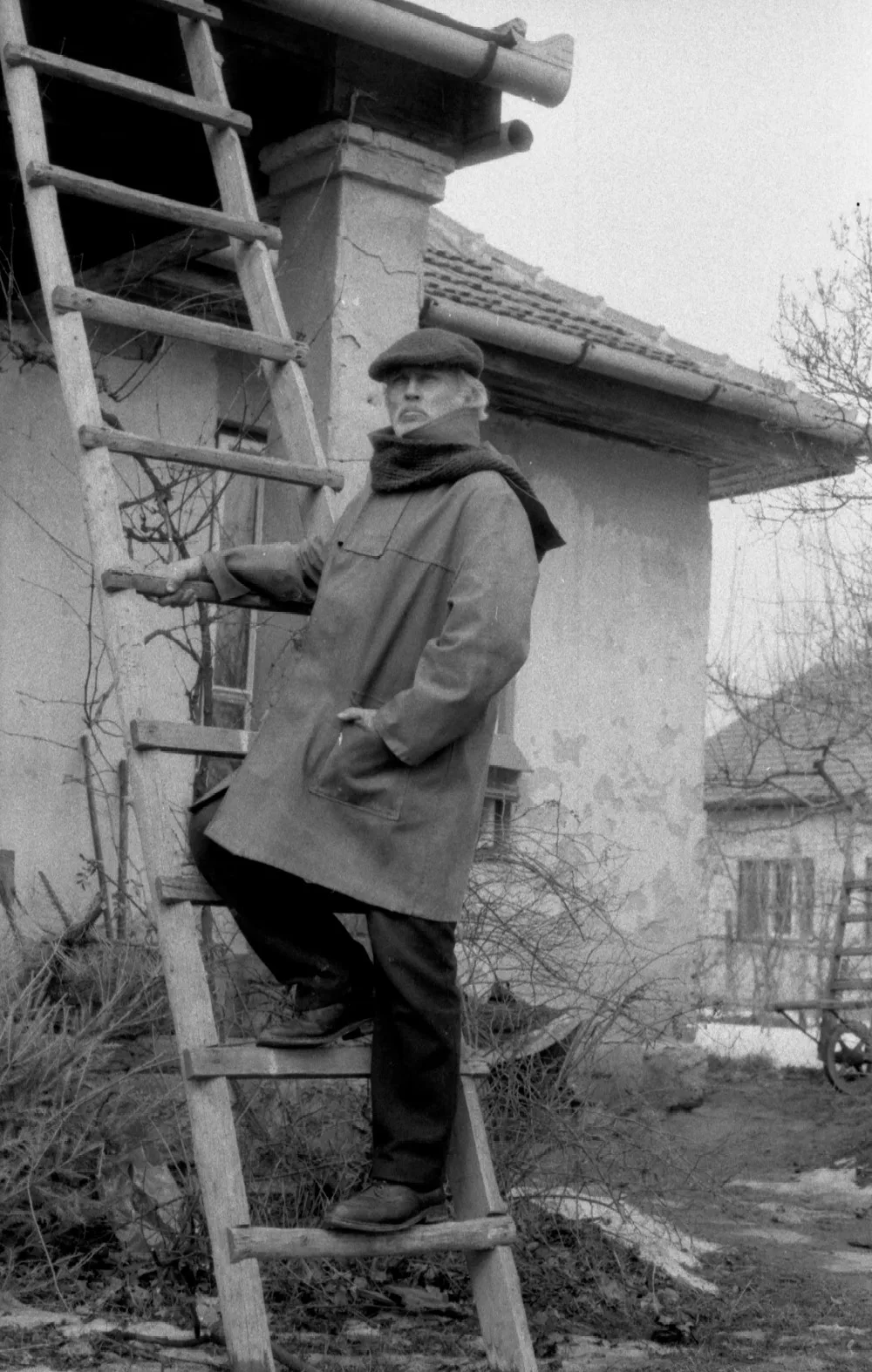
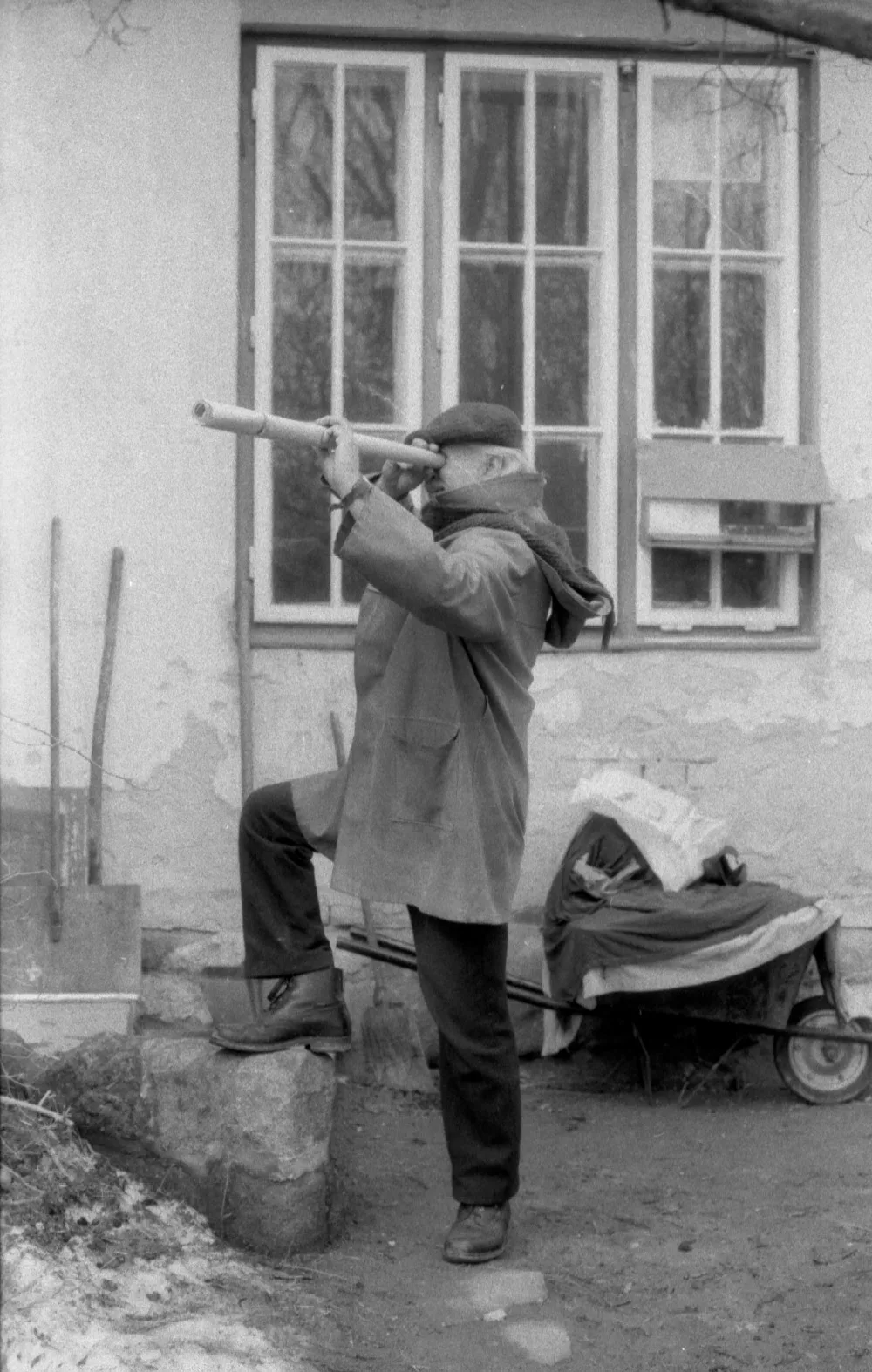
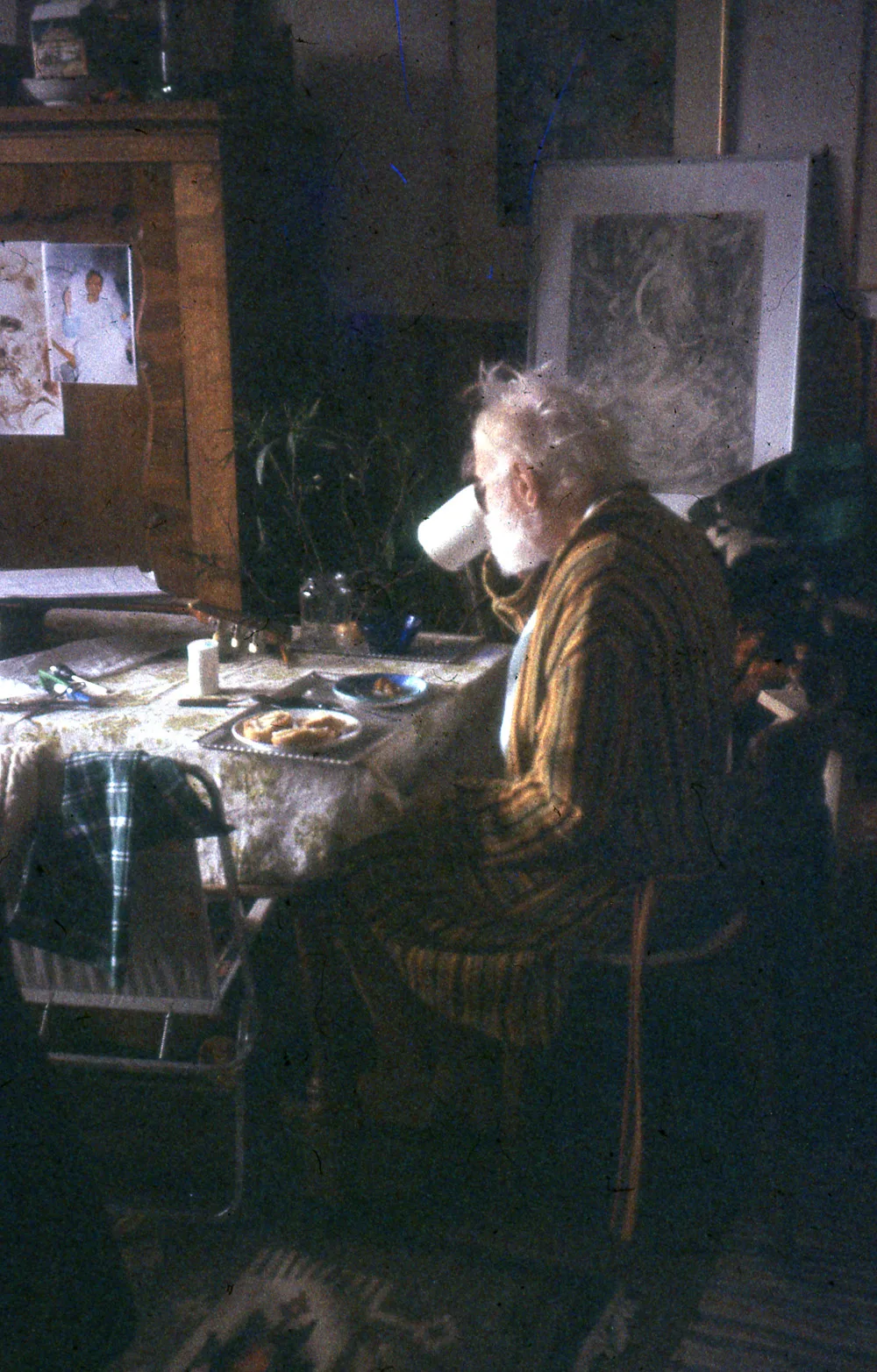
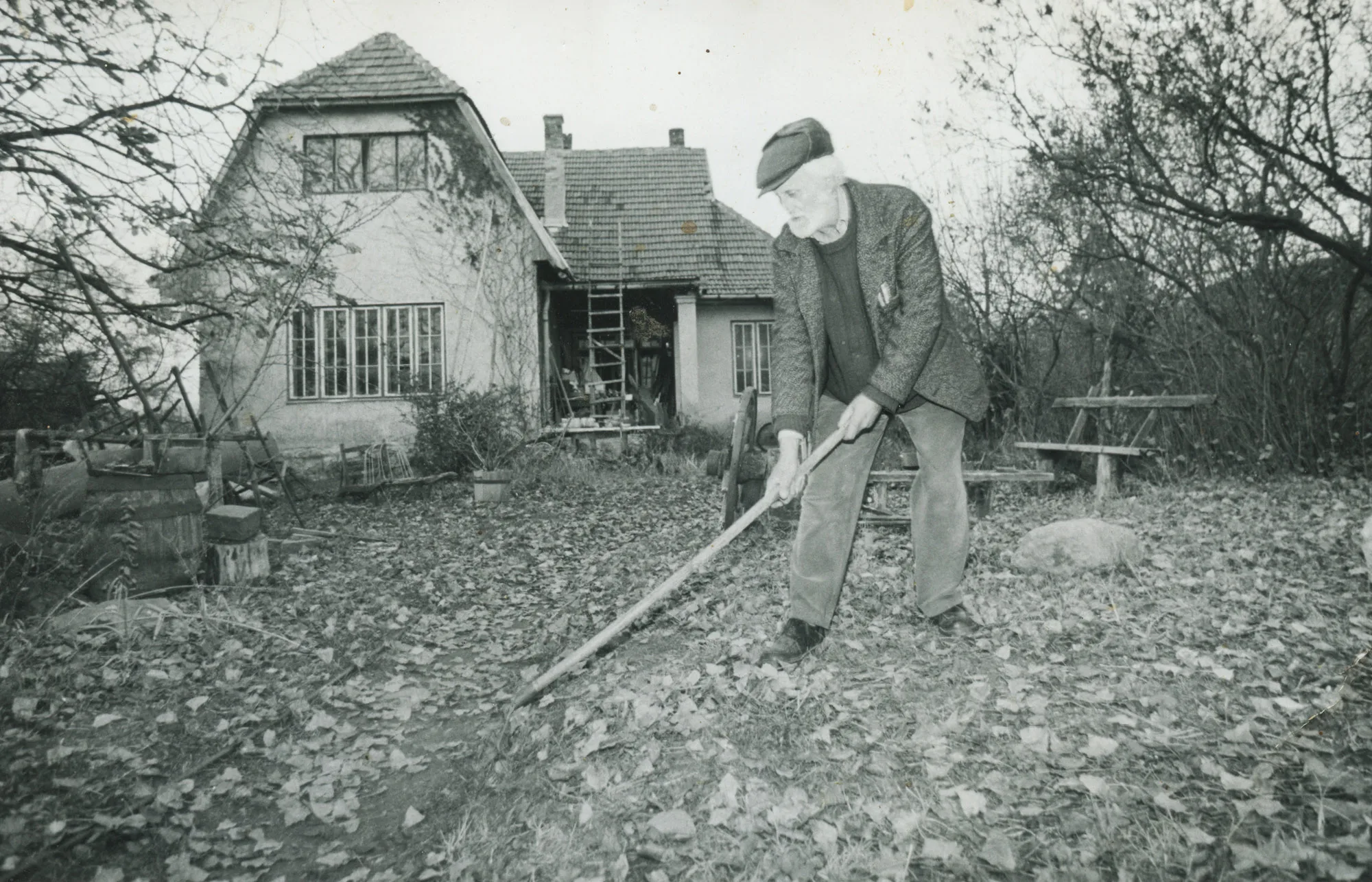
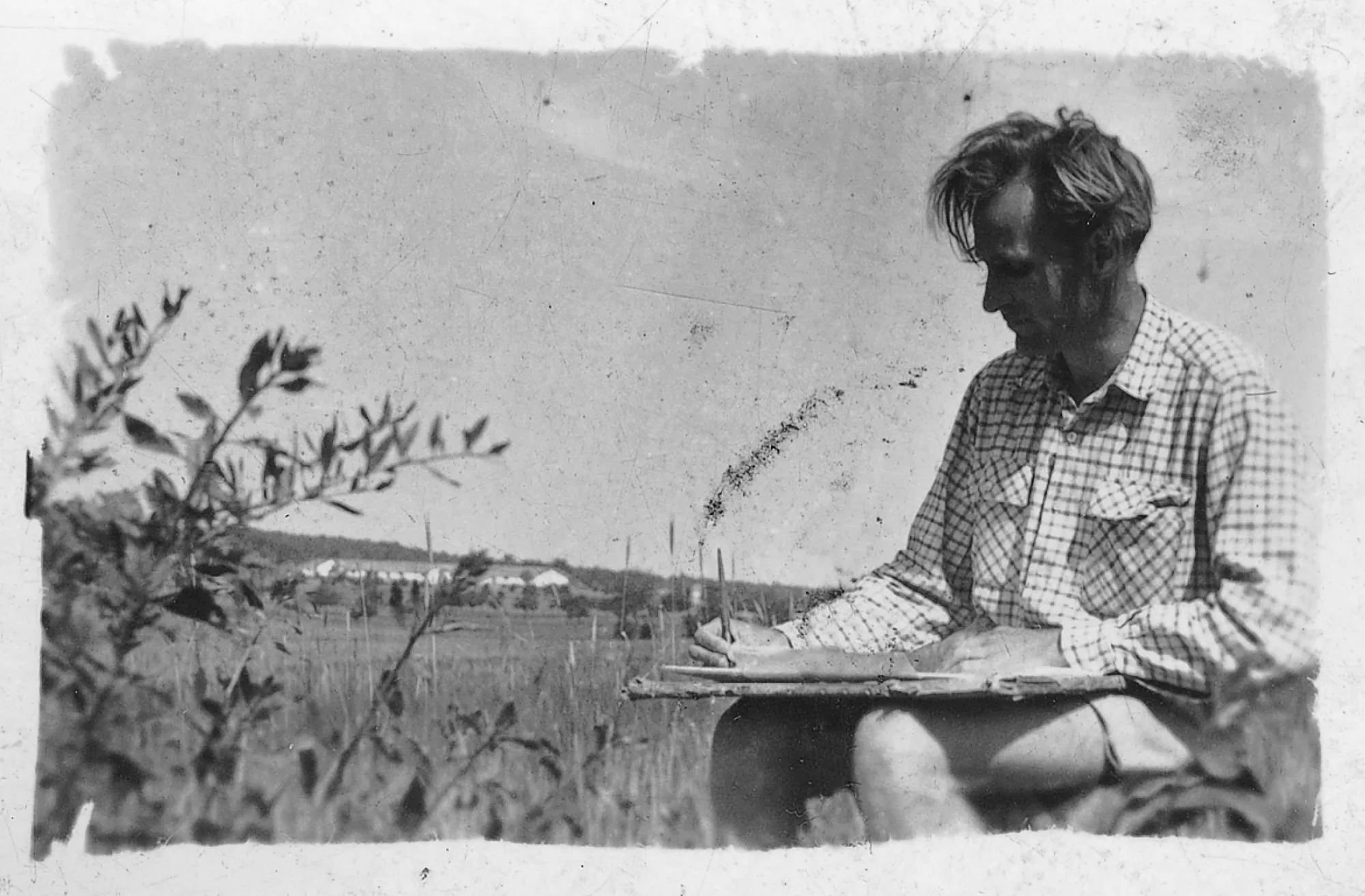
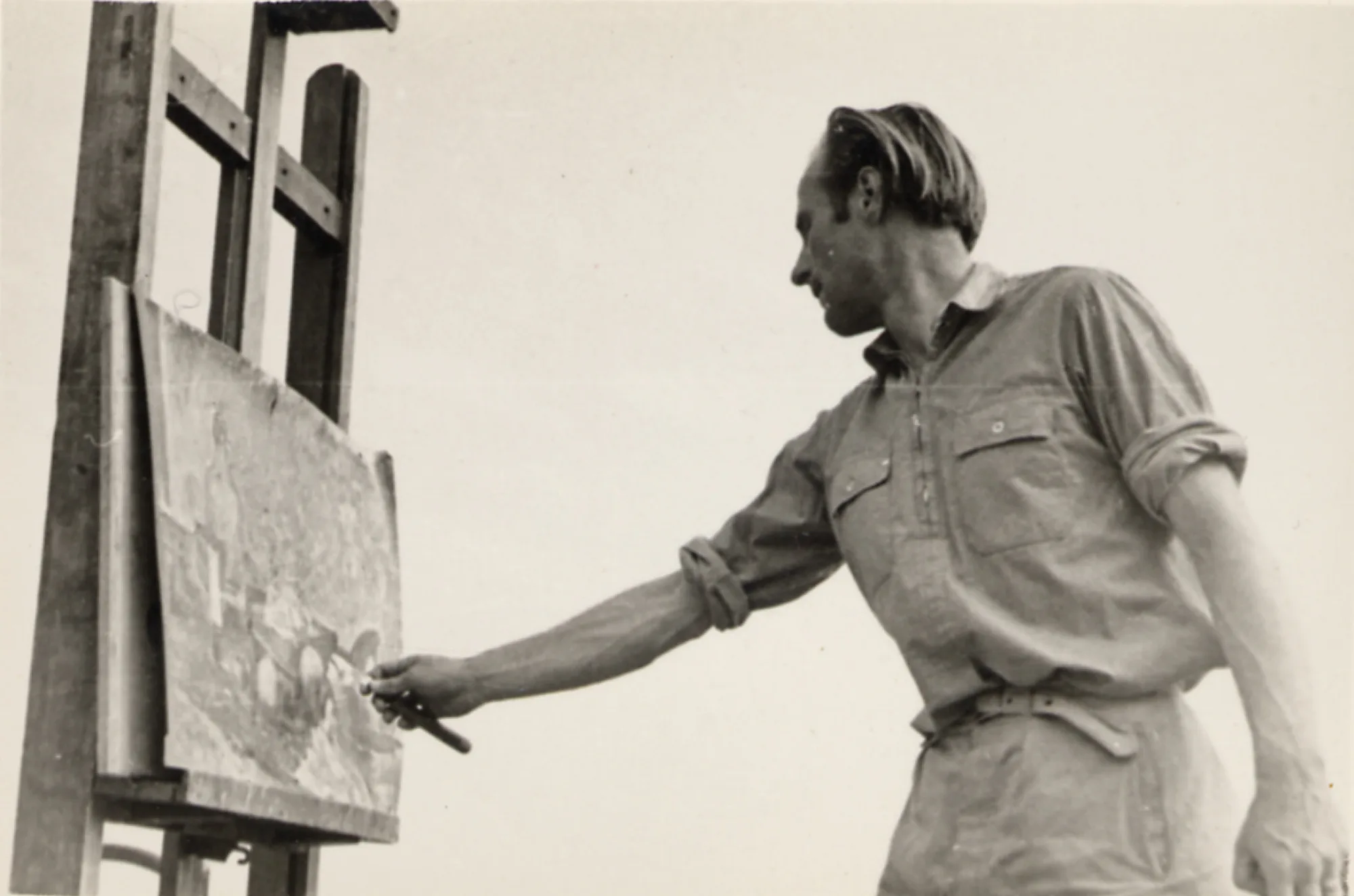
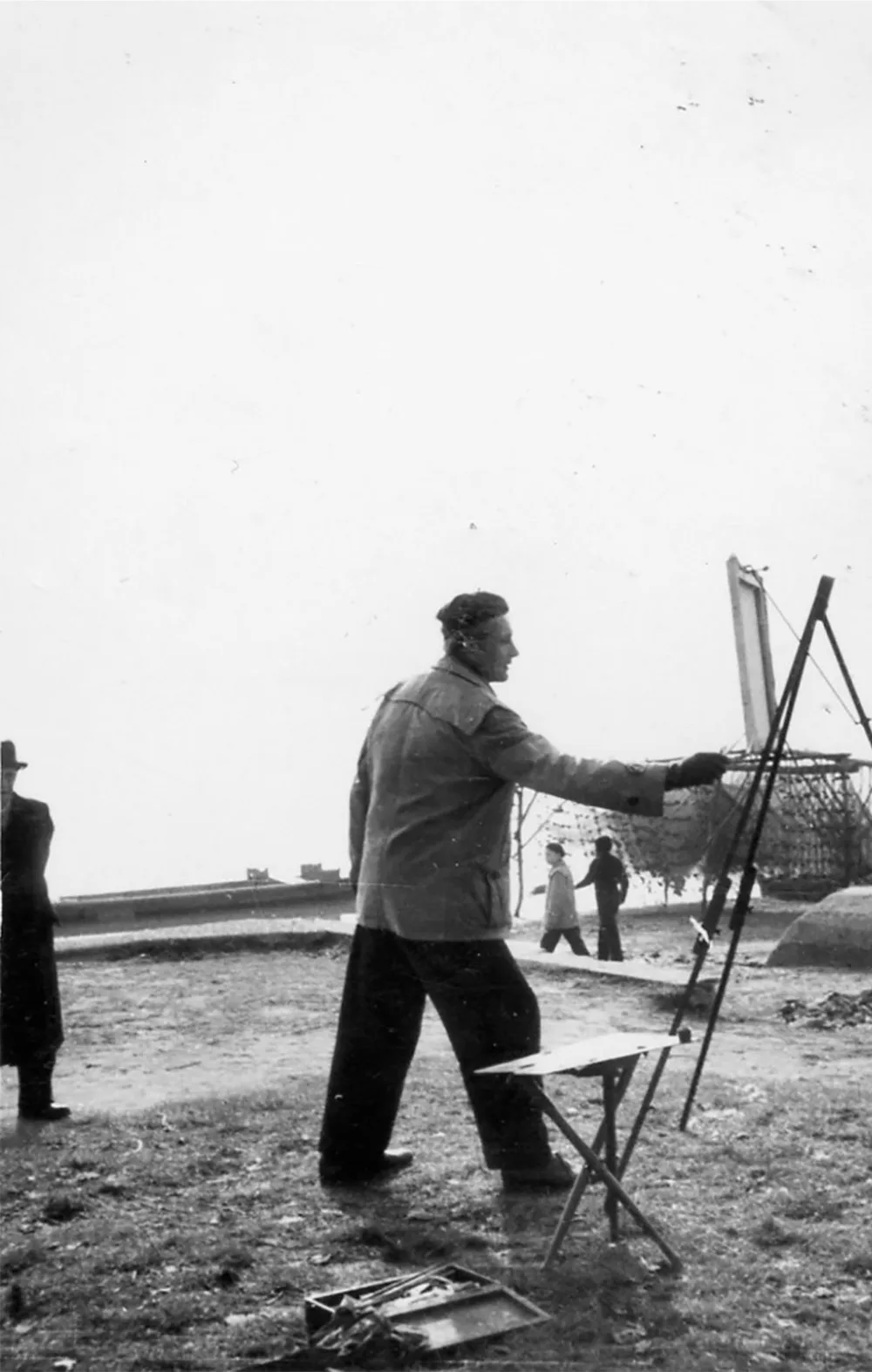
Jenő Remsey lived a long and active life, documented in a multitude of photographs: as a young man in military uniform, as a budding artist growing a Tolstoyan beard, holding a palette in front of his works, painting frescoes on a scaffold, sitting in a canoe on the Danube, in old age wearing a straw hat and a white painter’s smock, and finally, in poignant end-of-life images showing the elderly man from below, looking upward as he picks rose hips.
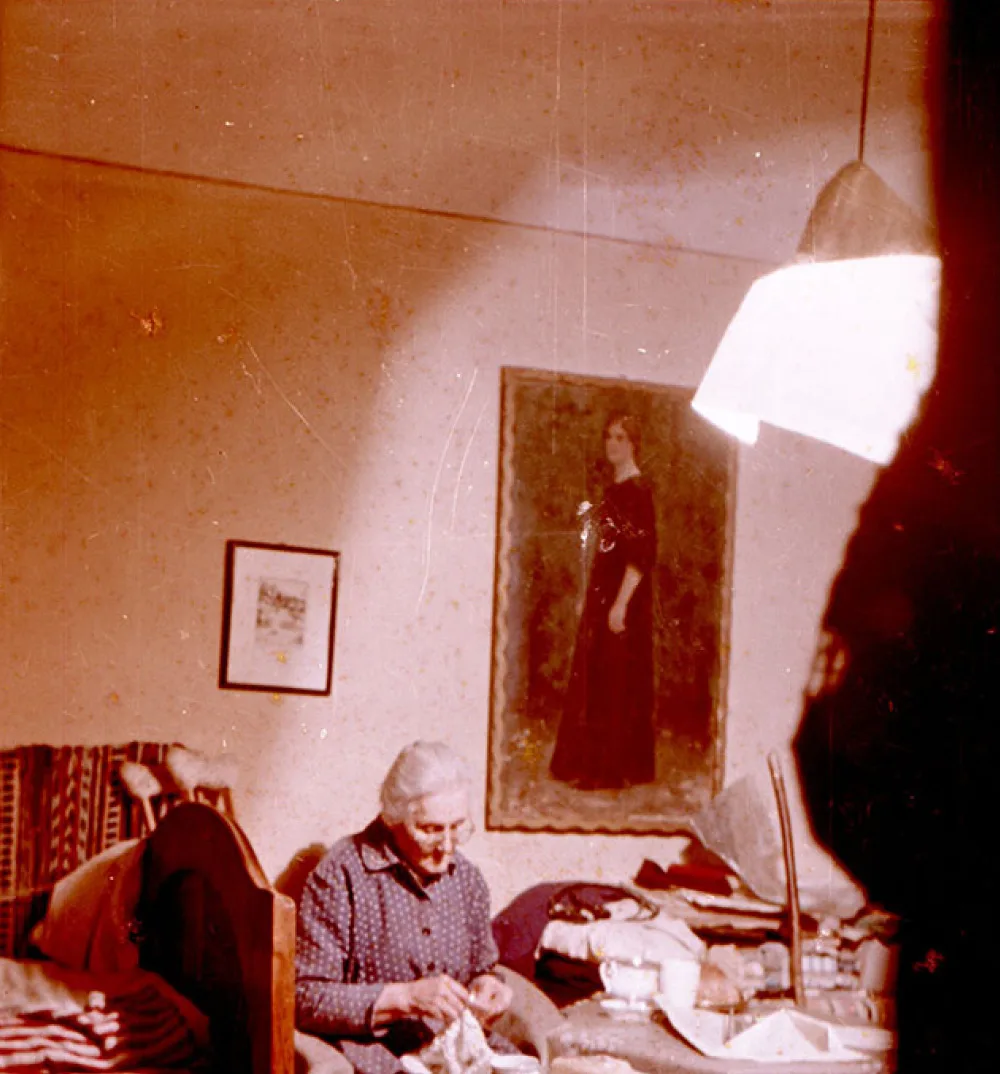
Fewer photographs remain of Vilma Frey. In her youthful portrait, we see a young woman with a determined gaze and harmonious features—an image that reappears recognisably in several early 20th-century paintings. The young weaver of remarkable beauty was often immortalised by the artists of the colony, including Aladár Körösfői-Kriesch, who created a full-length portrait of her in 1909. This painting is even visible in the background of a later photograph of Vilma in her old age.
Another iconic portrait was painted by her husband, Jenő, encapsulating the values they cherished: harmony between nature and humanity, purity, and simplicity.
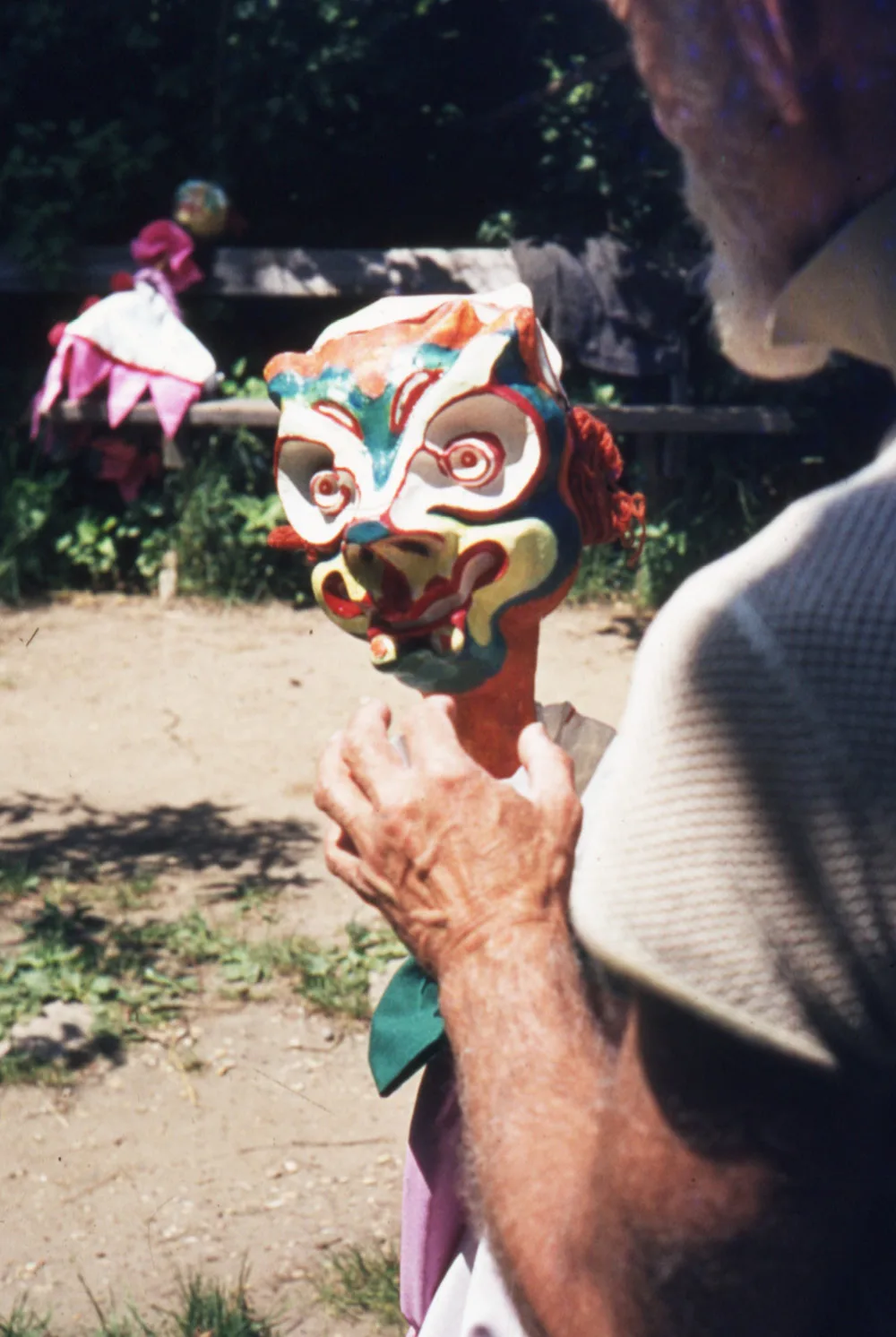
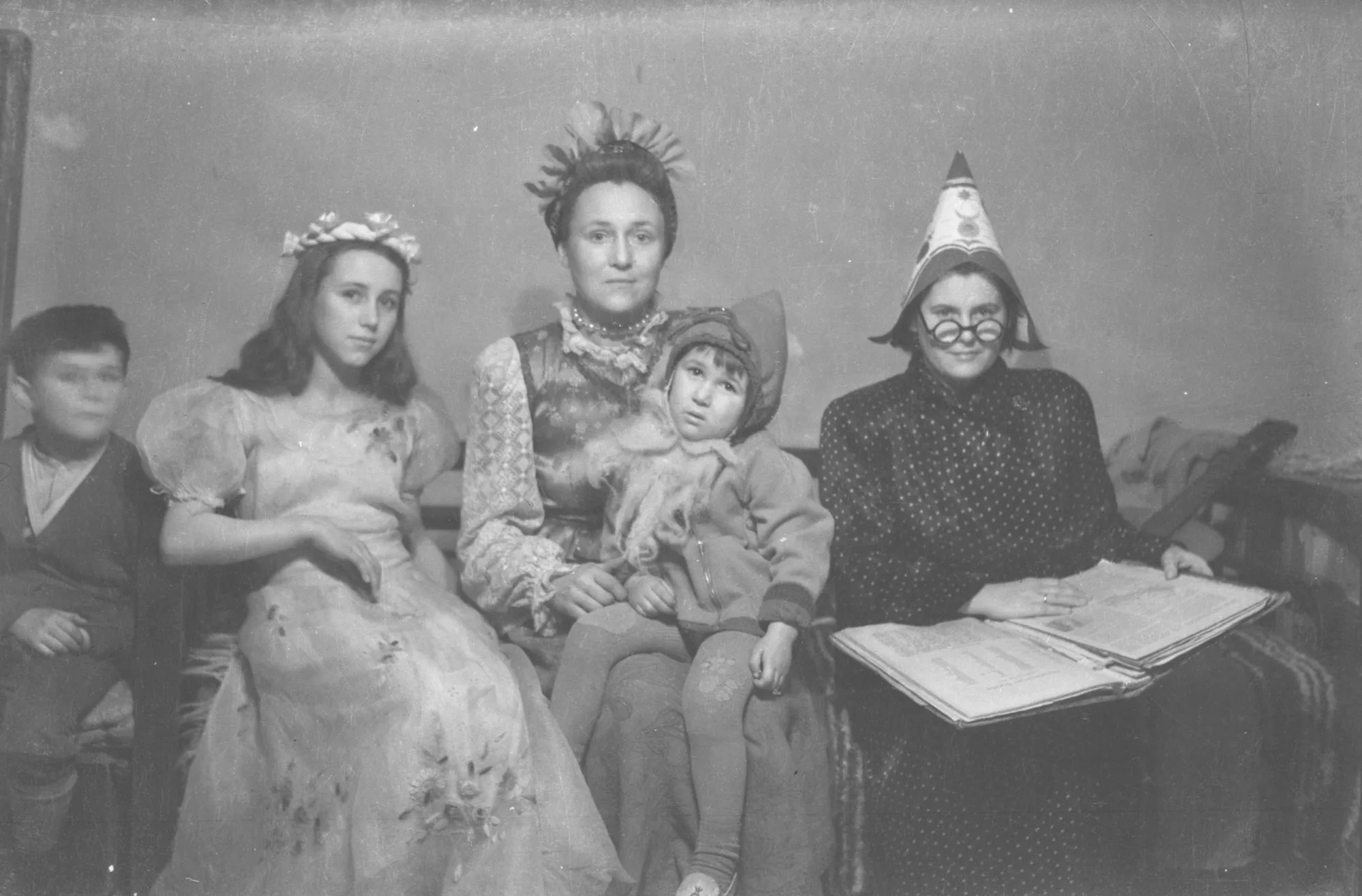
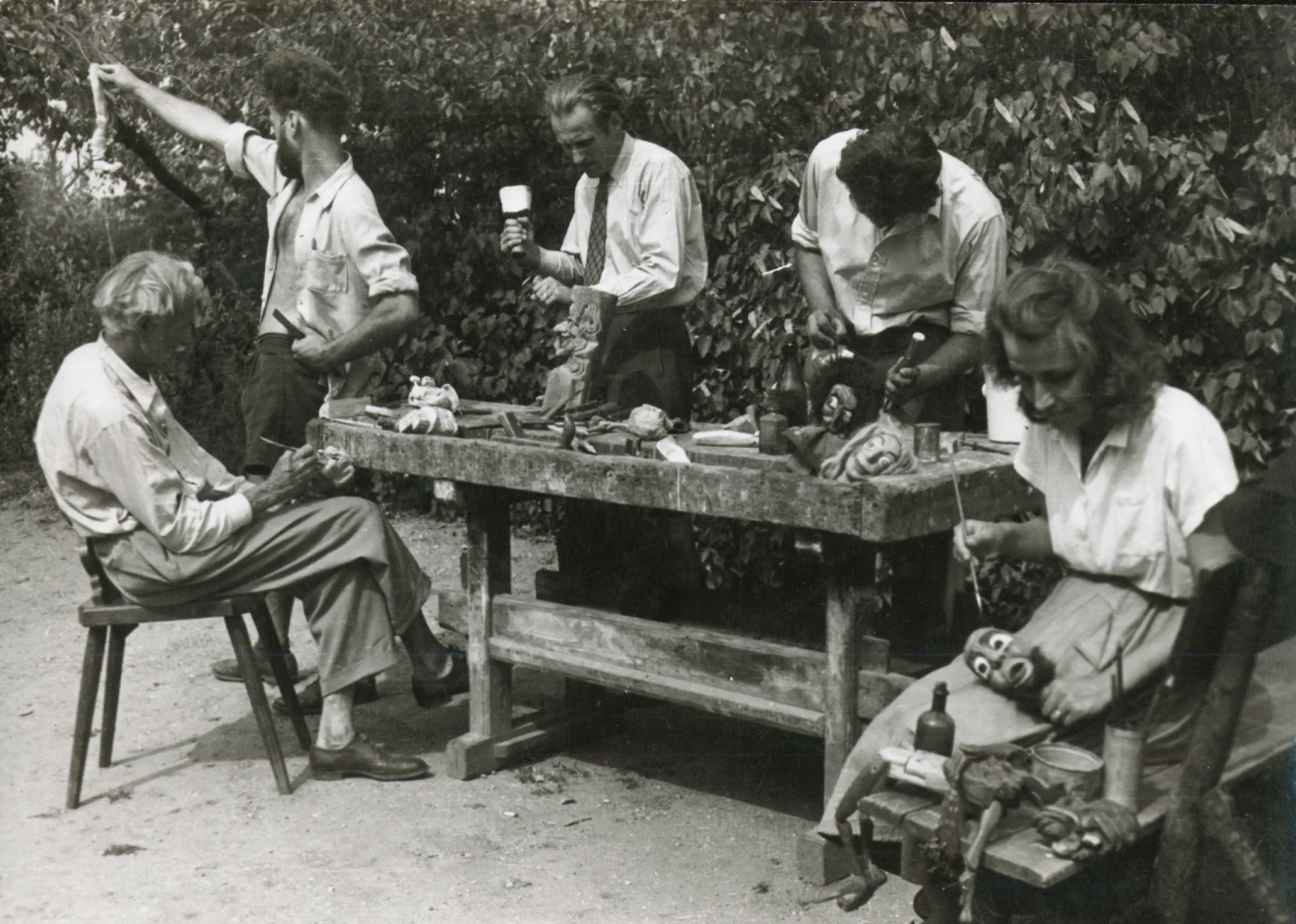
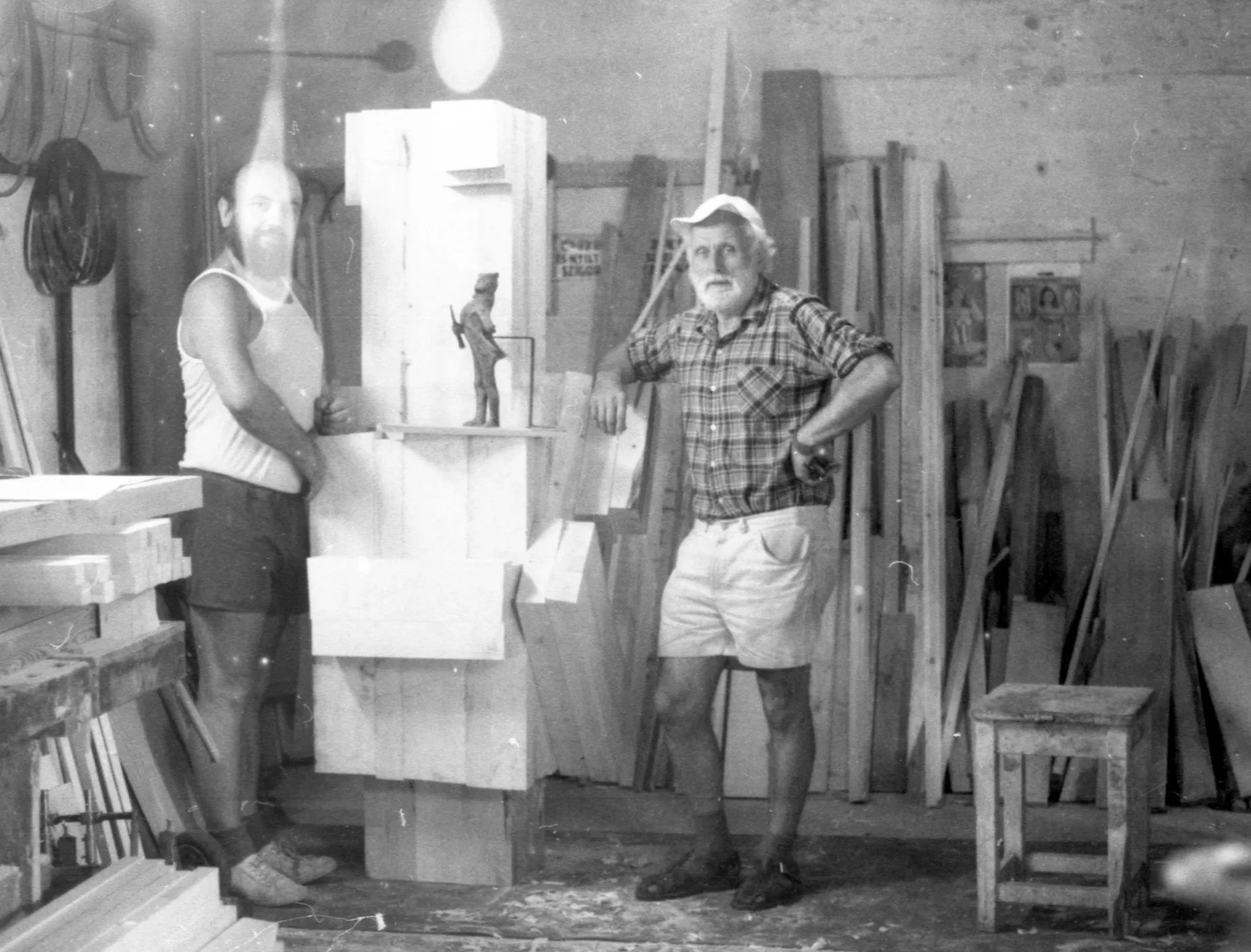
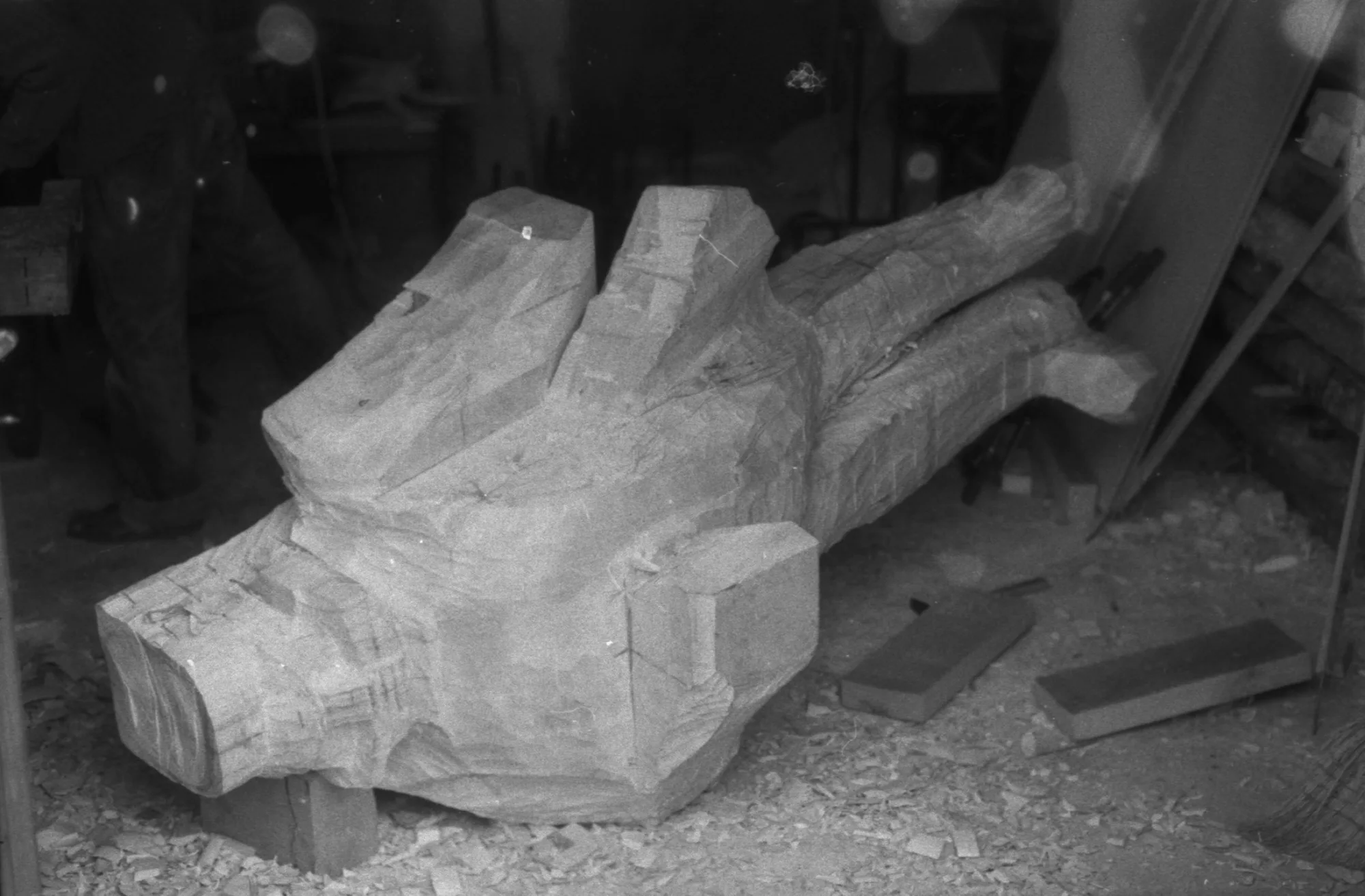
The couple had four children, which allowed a family- and child-centered approach to flourish—a hallmark of the artist colony. From a very young age, the children were involved in a variety of creative activities and took part in the adults’ pursuits, including excursions, canoeing on the Danube, skiing, home concerts, theatrical performances, costume balls, painting, carving, woodworking, and puppet-making.
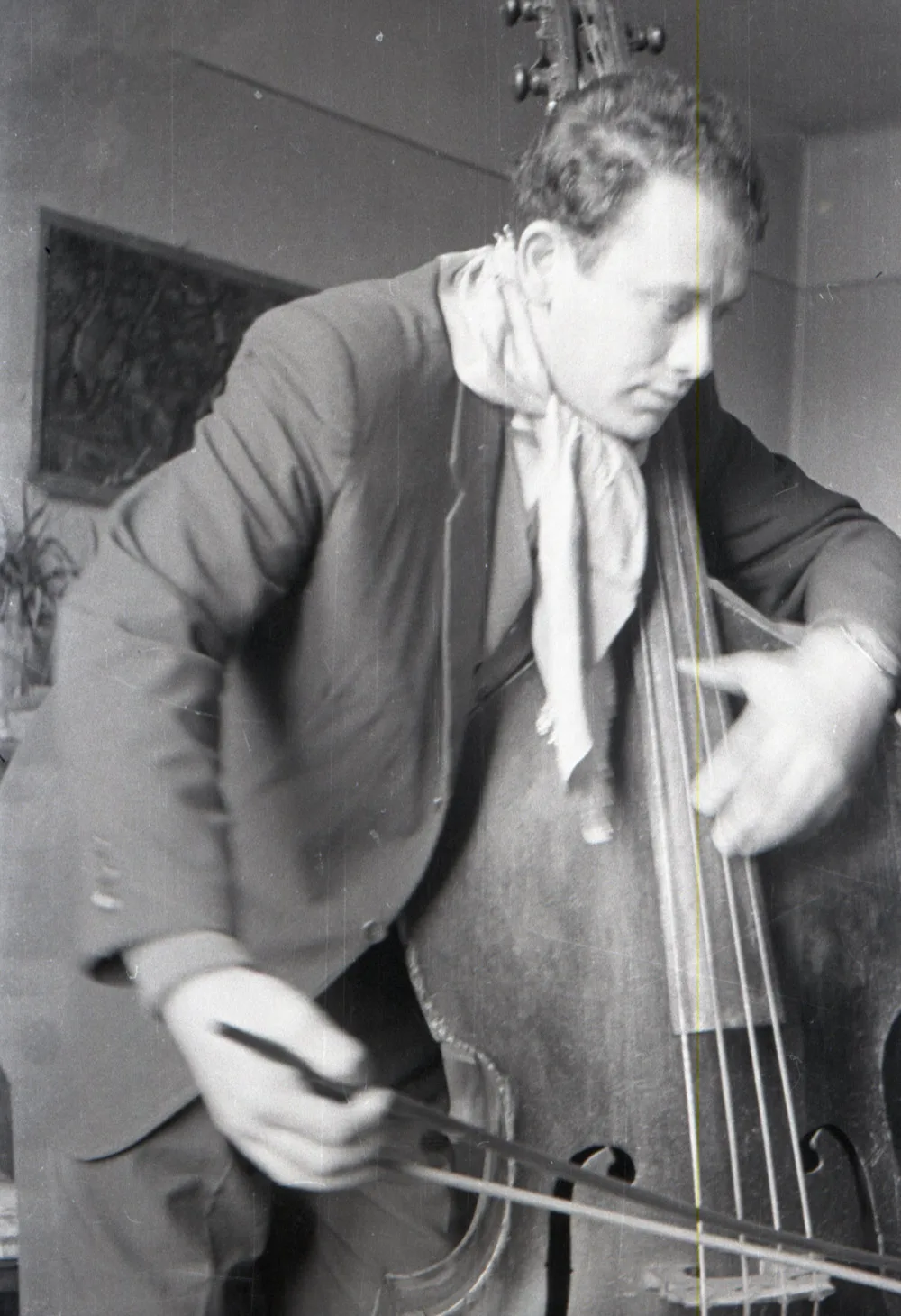
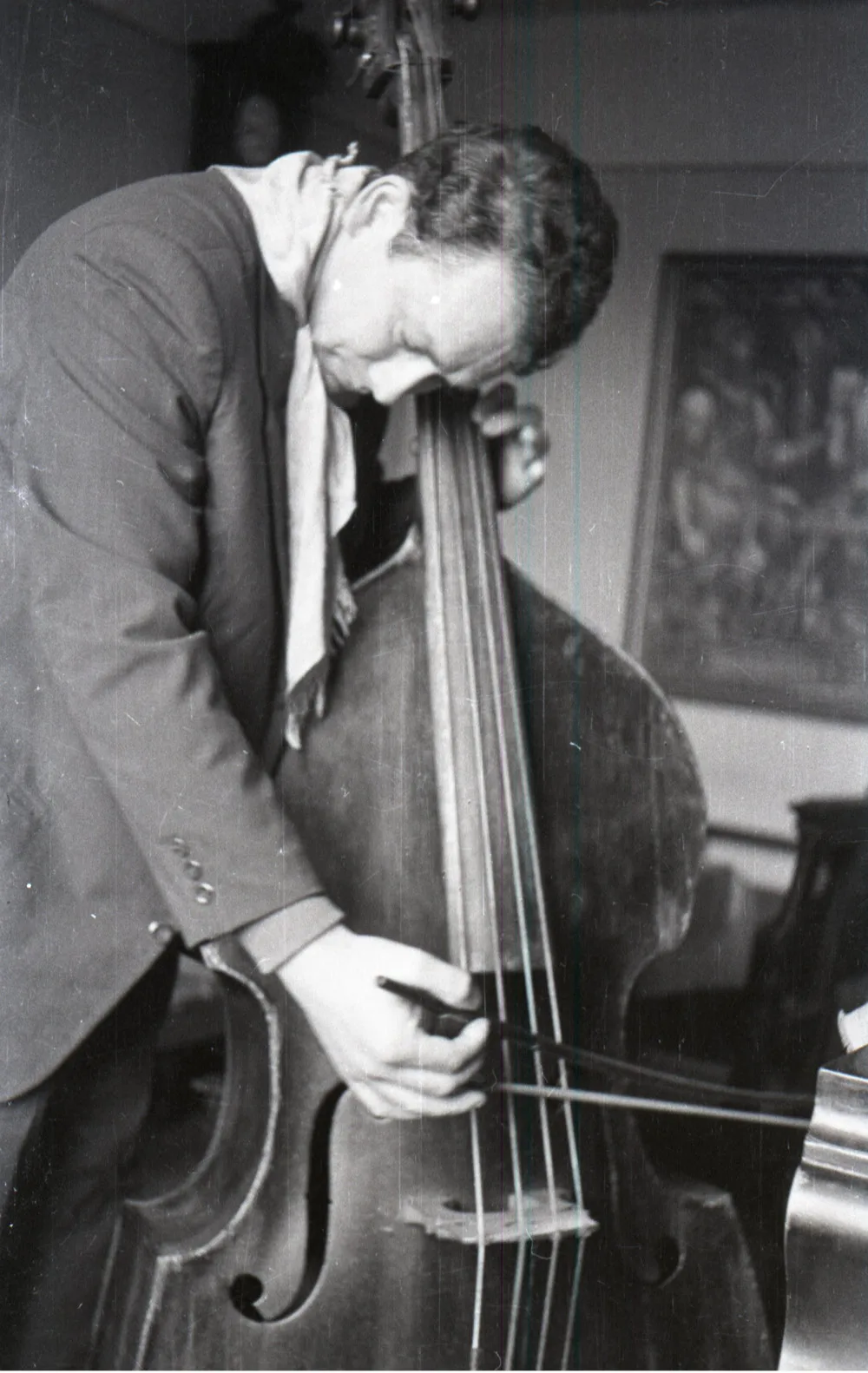
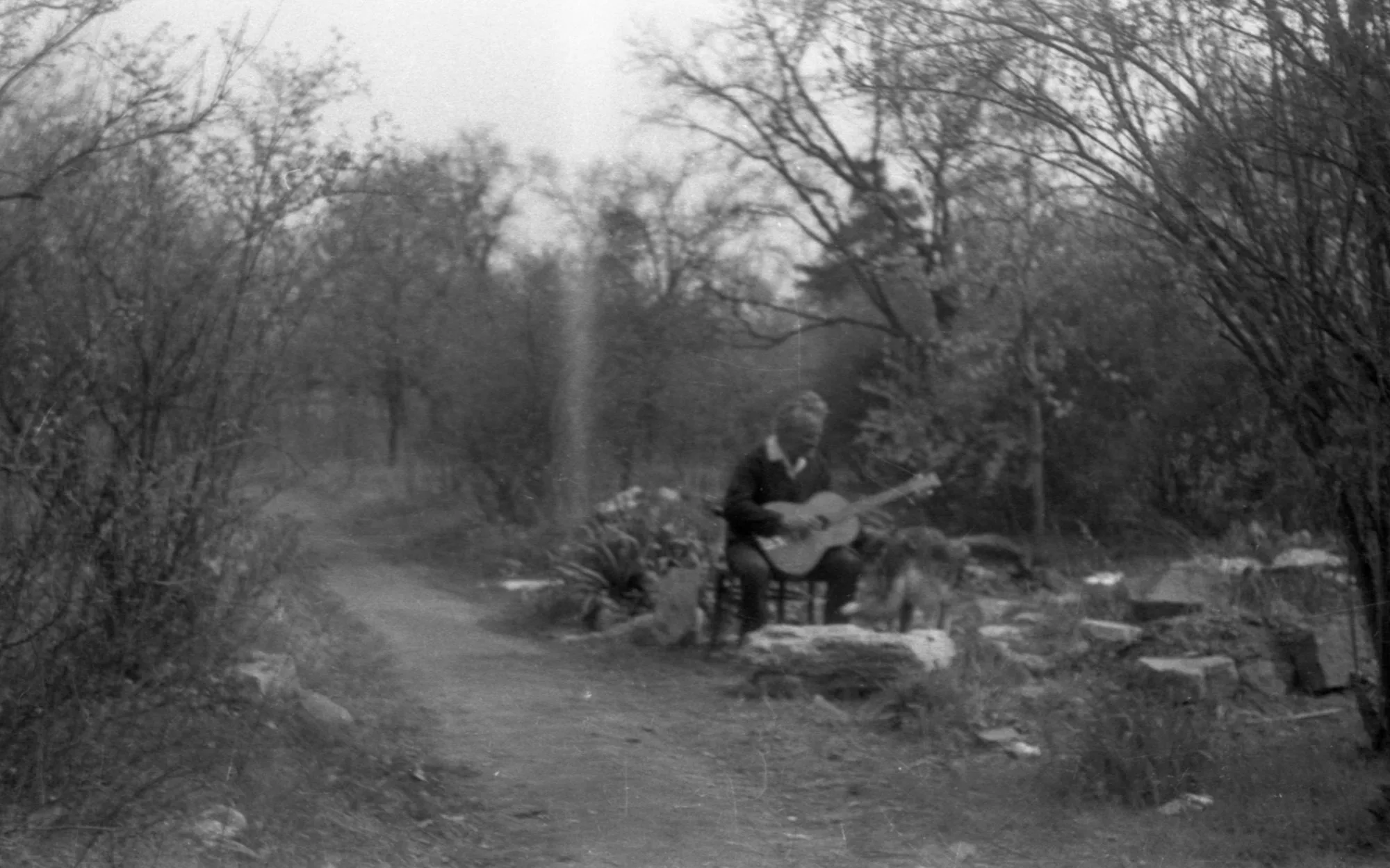
Their eldest child was Ágnes Remsey, followed by three sons: Iván, Gábor, and András. All four became artists, embracing multiple art forms, following the example of their parents. Ágnes focused on carpet design and later on writing, while the three boys initially envisioned careers in music but eventually turned to visual arts as their primary creative outlet. Nevertheless, music played a central role in the family’s life, with powerful performances and home concerts, where works by Romantic composers were most often performed.
The photo archive includes images of these events, ranging from portraits of individuals deeply immersed in music-making to lively, bohemian costume balls with a musical theme.
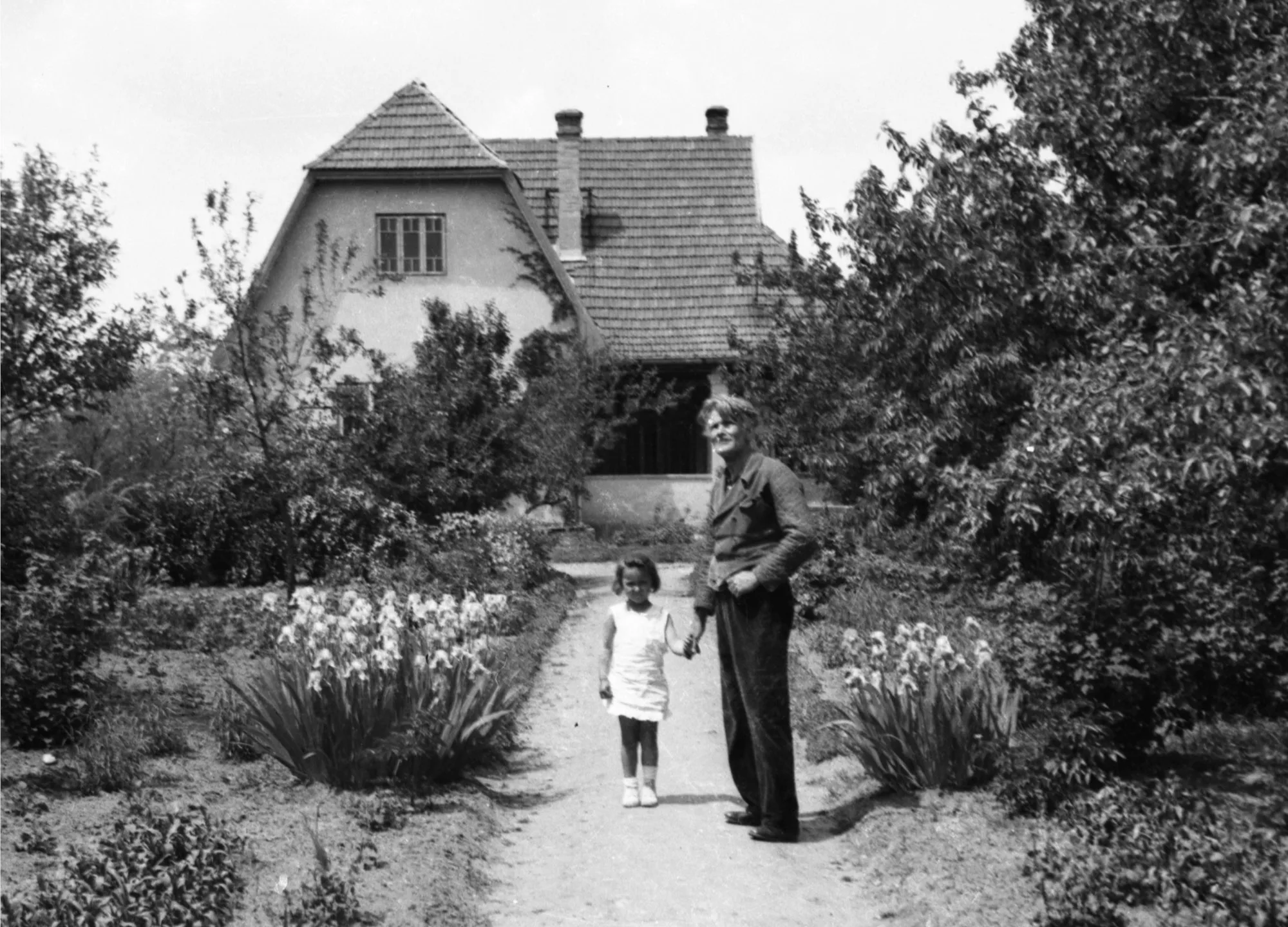
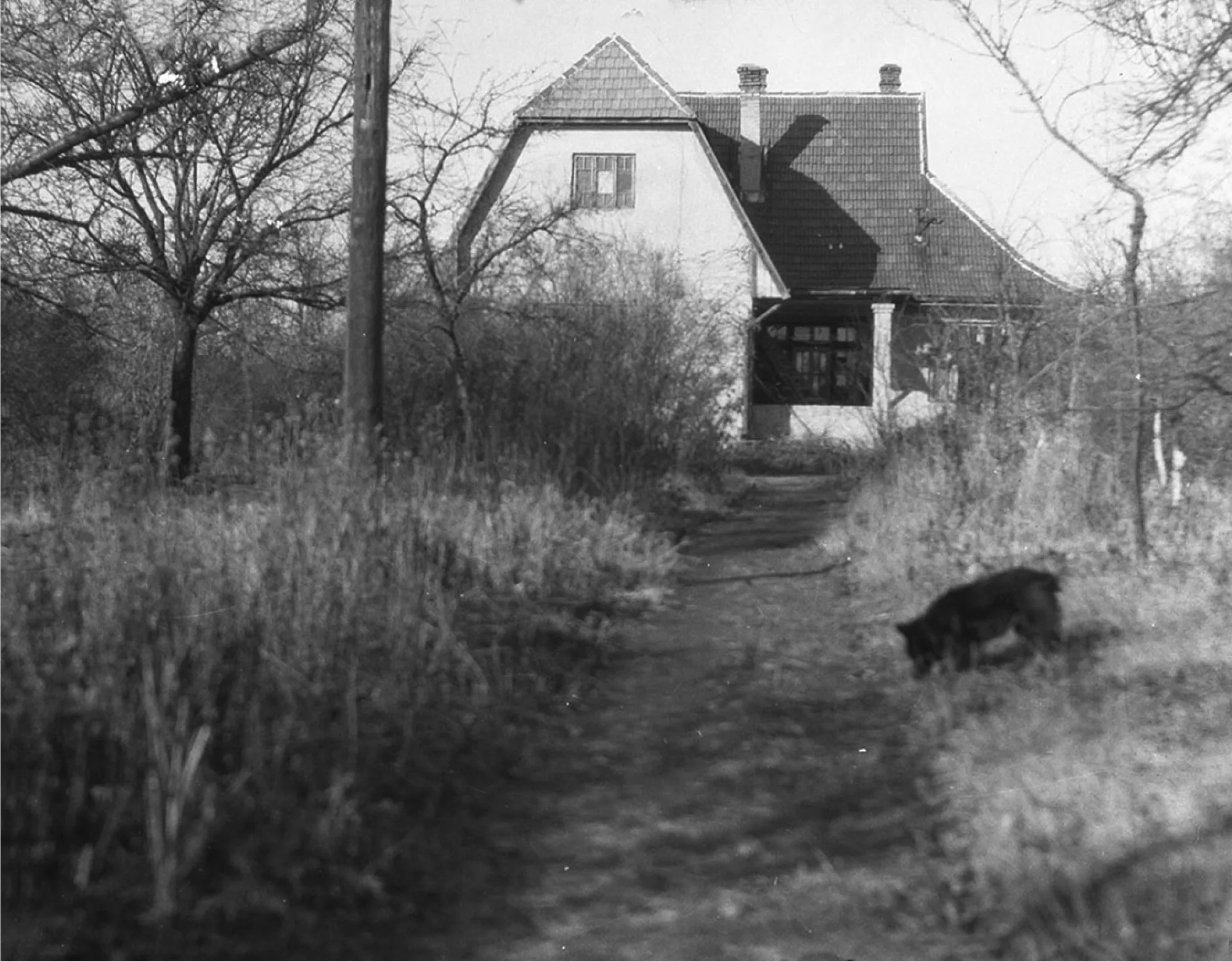
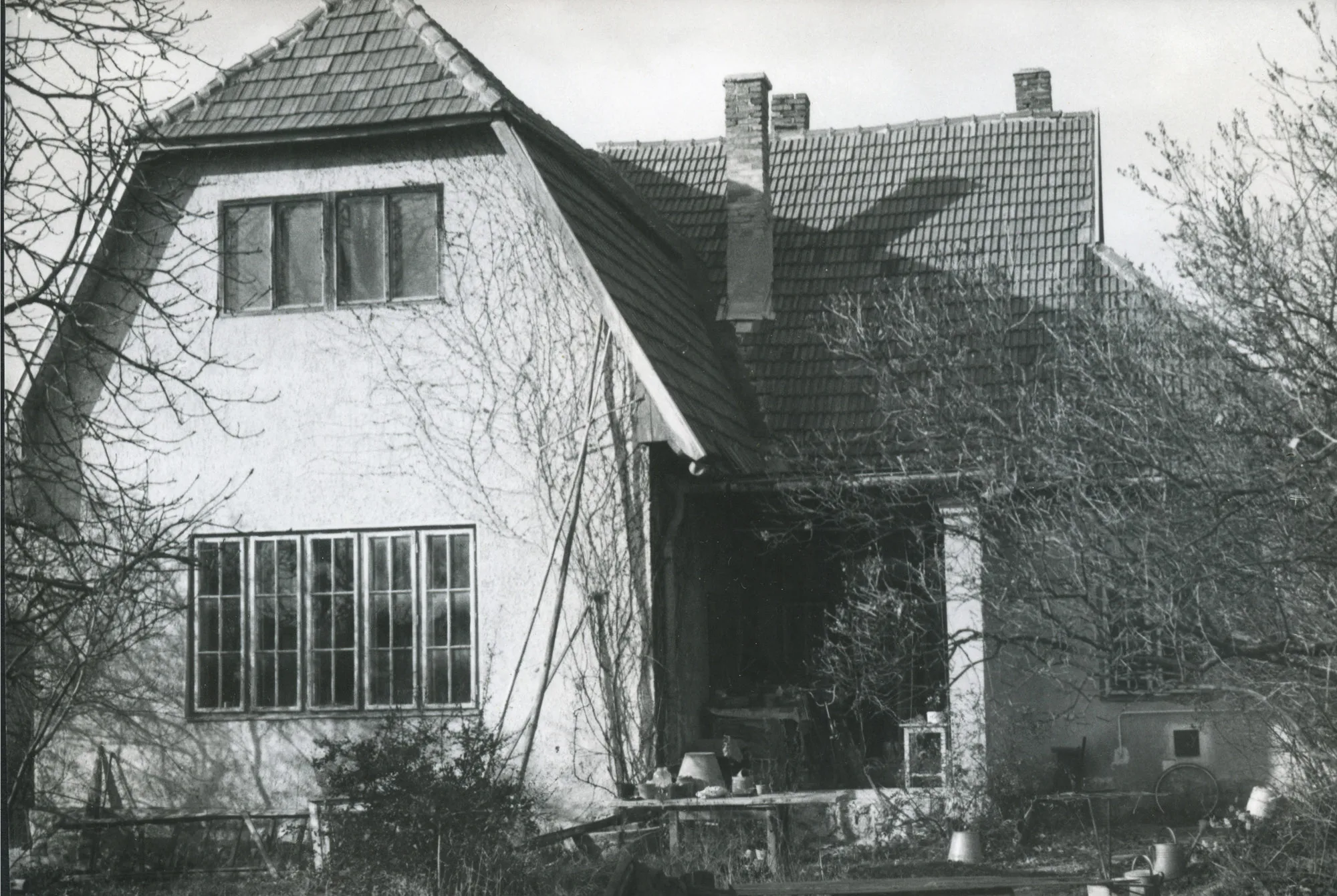
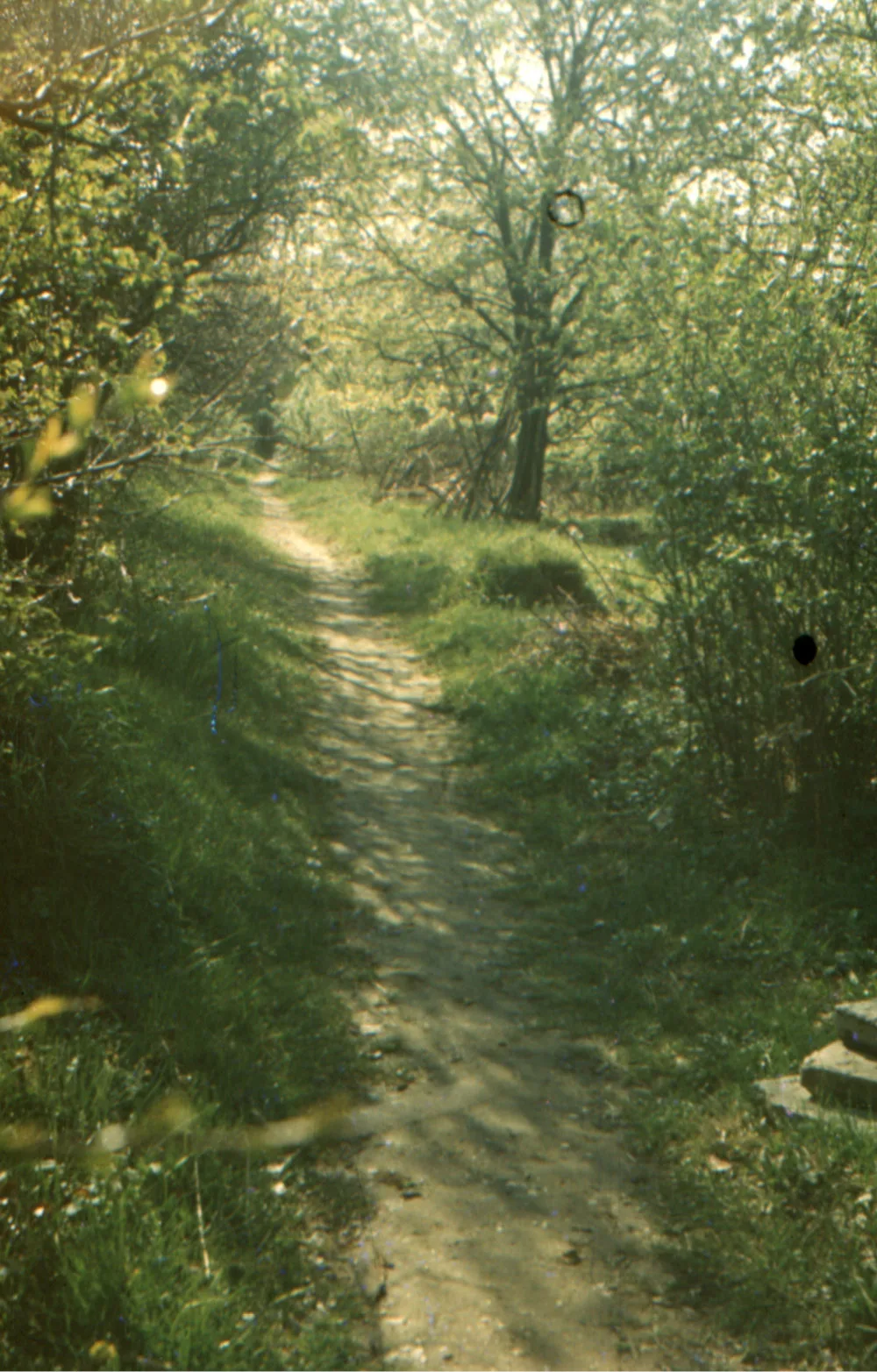
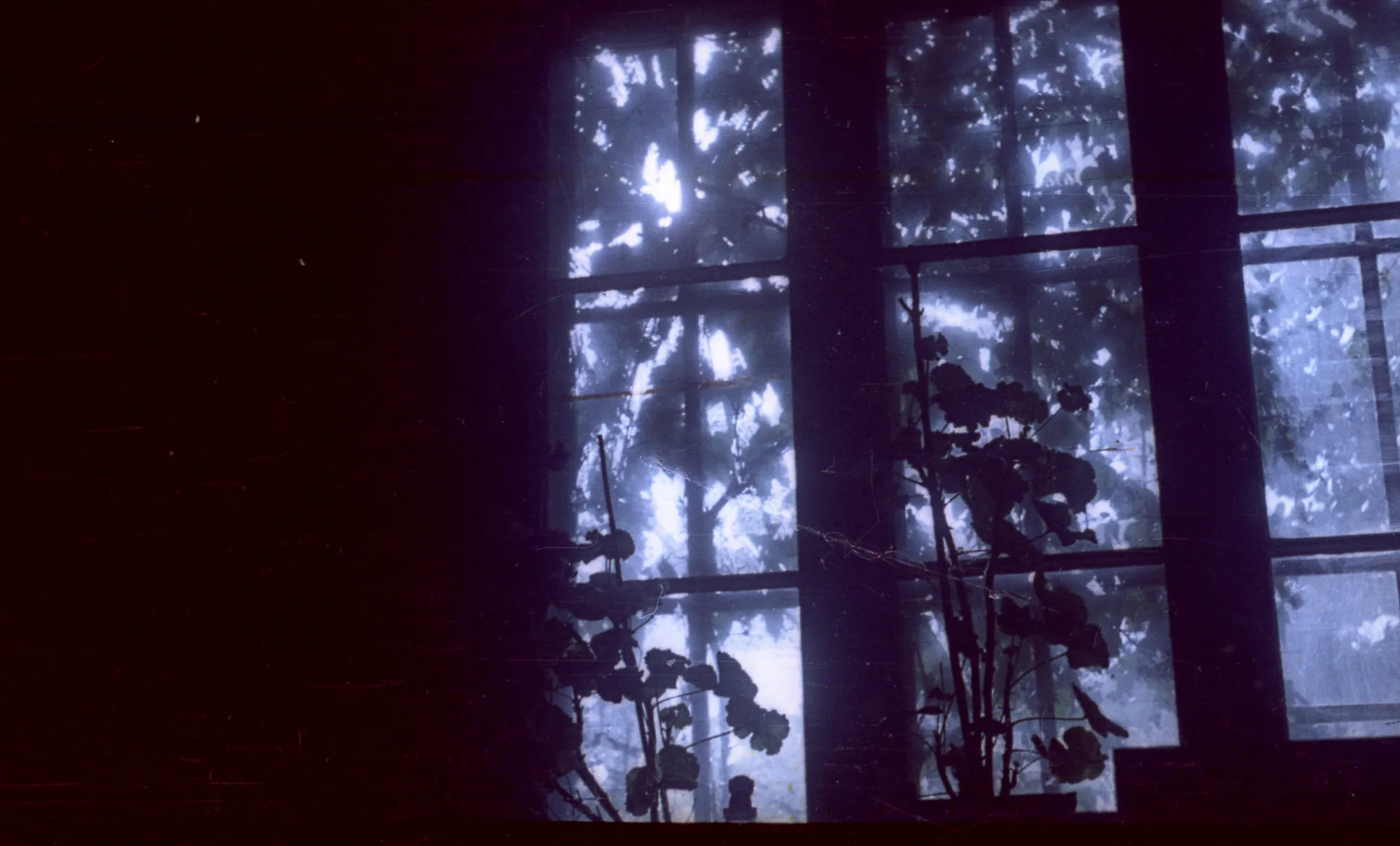
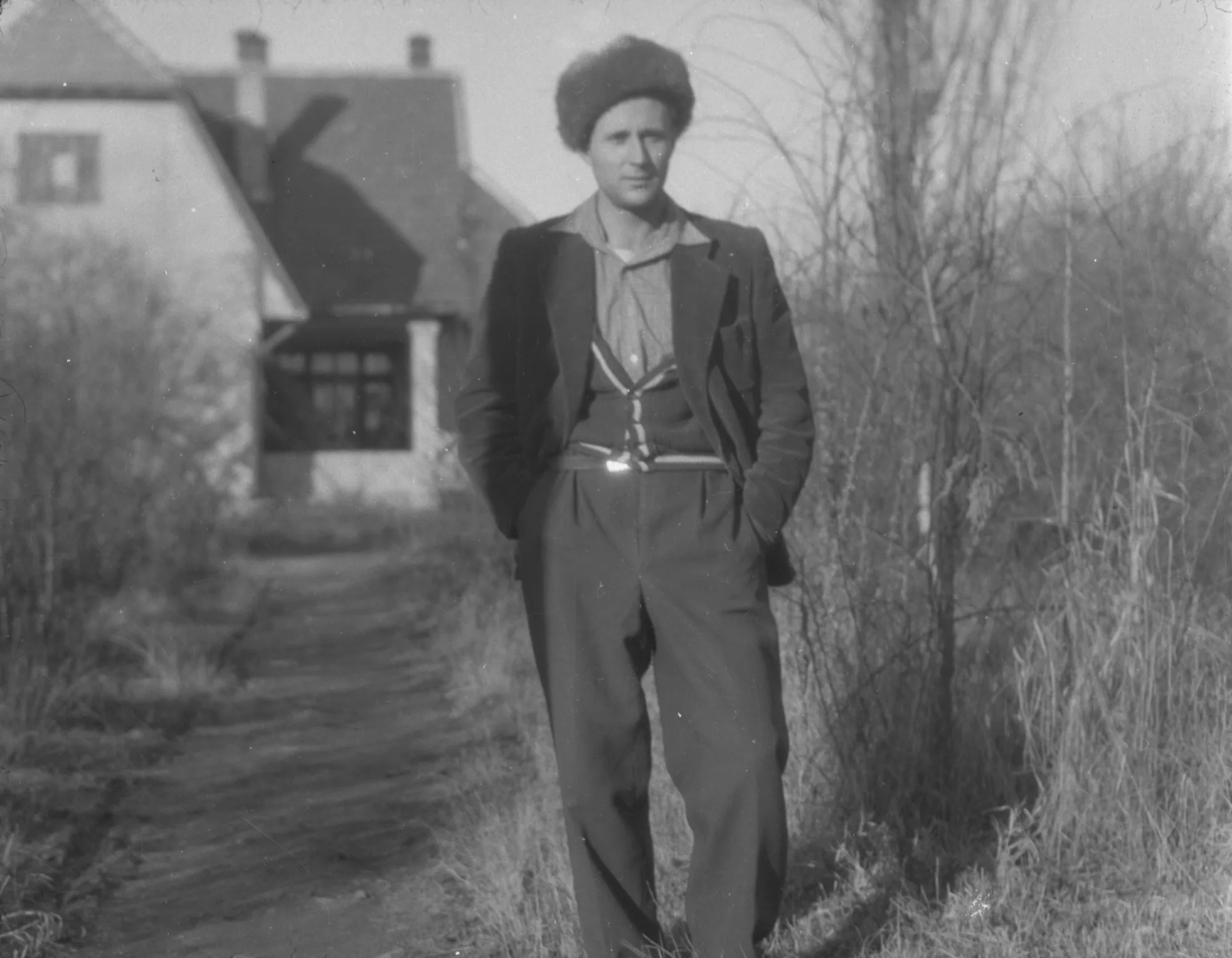
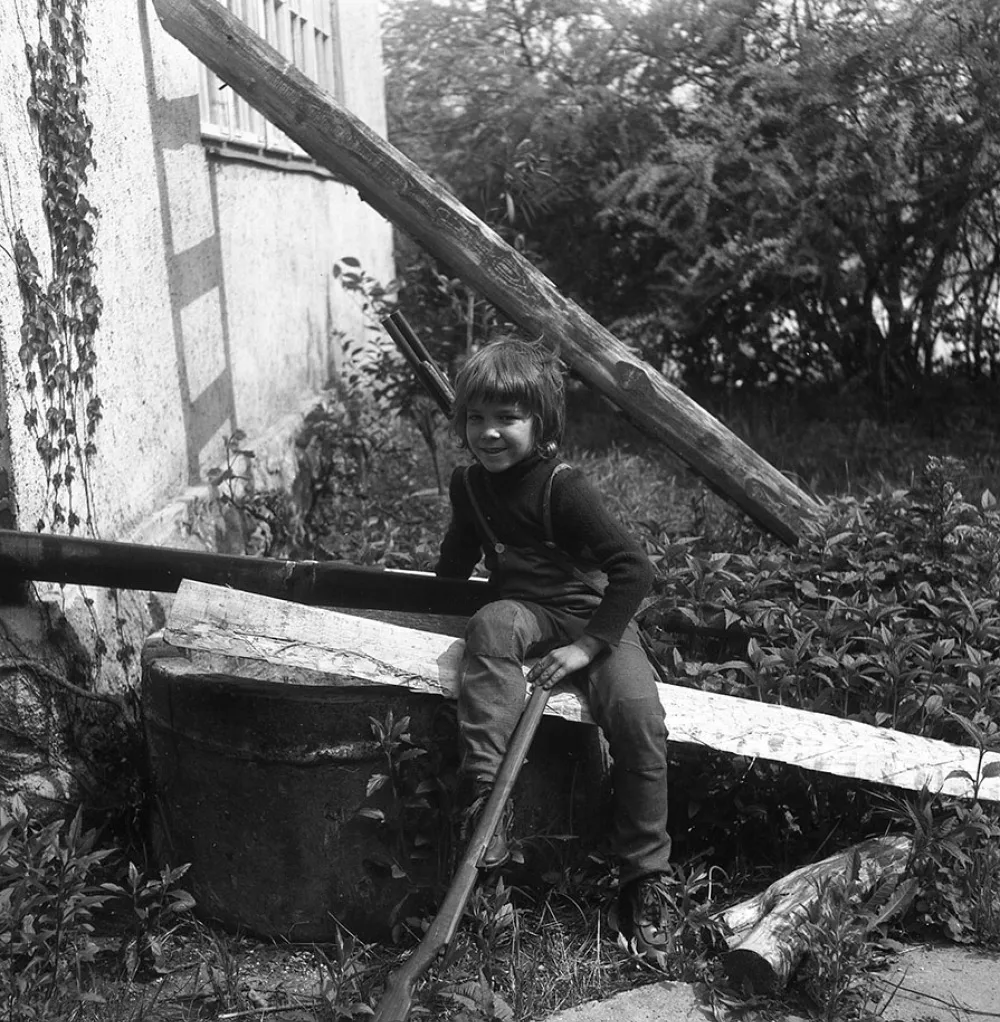
A recurring theme in the photographs is the studio house and garden that provided a home for the family. The wild vegetation, the narrow path leading to the house, and the ivy-covered, steeply pitched roof created a true sanctuary. It was an Edenic retreat, untouched by the sweeping, transformative effects of changing eras.
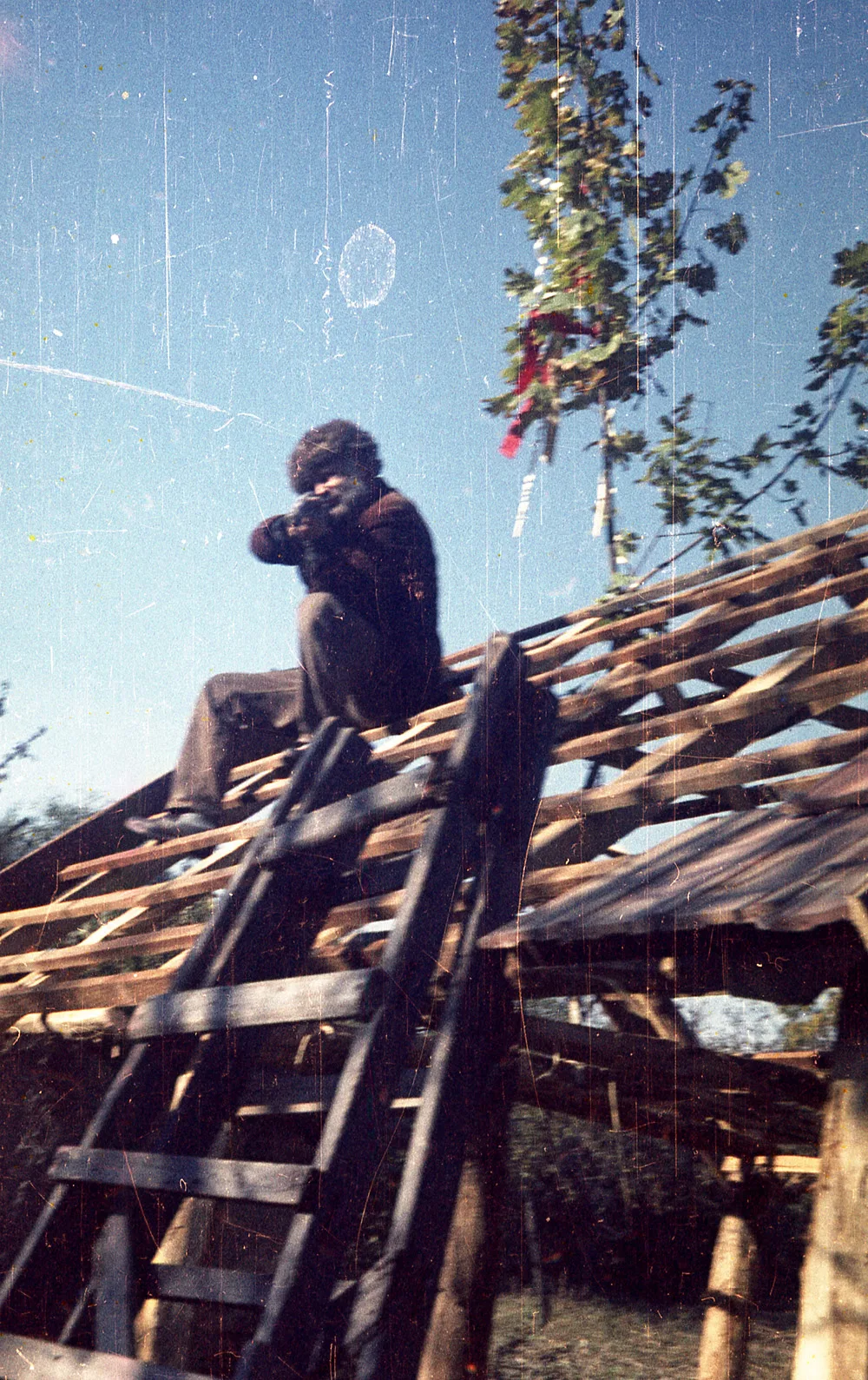
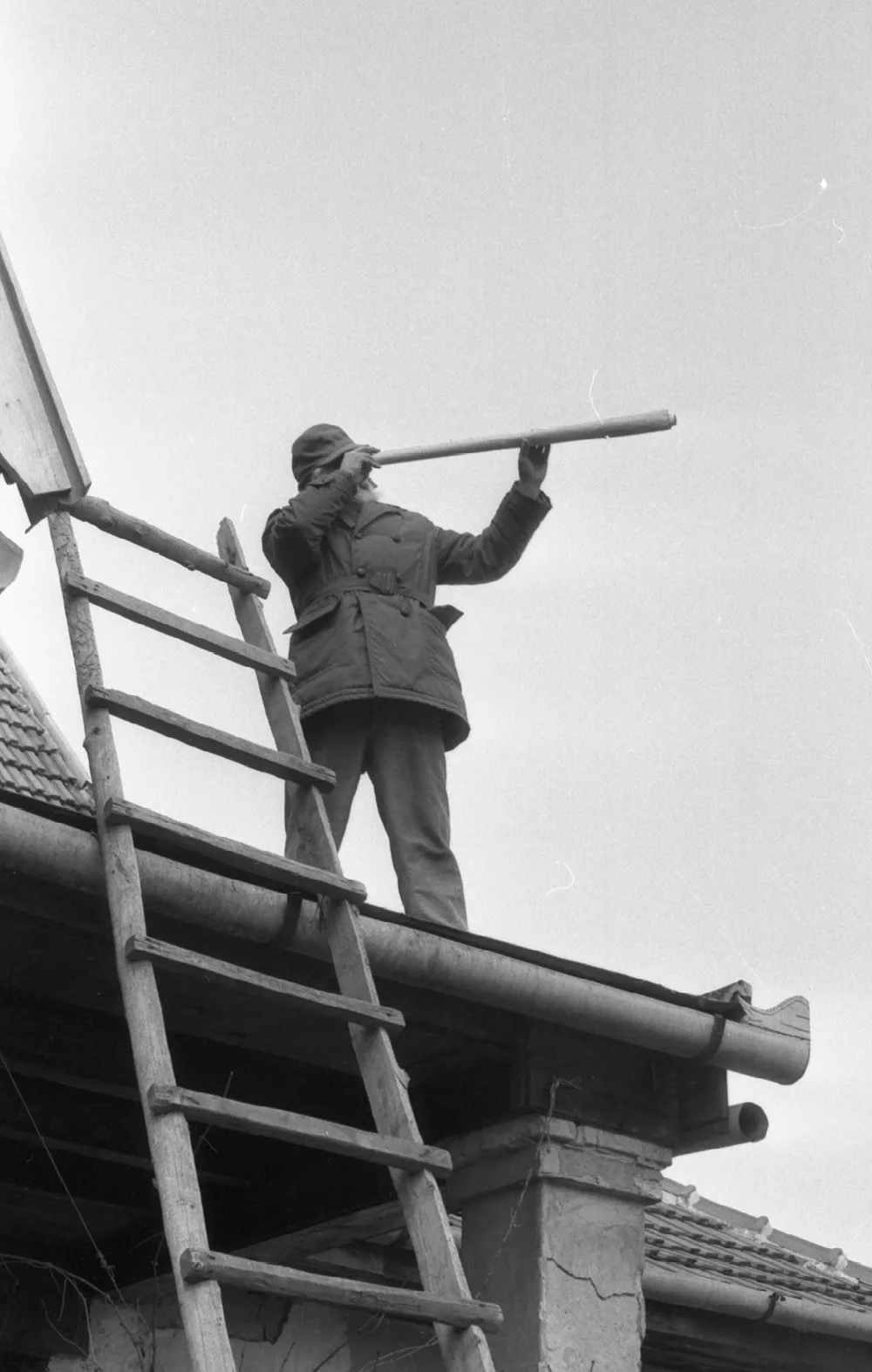
In the photographs, the house often appears as a backdrop in group portraits of the gathered family members, as the setting for spontaneous snapshots, or as a stage for playful antics—on occasion, even climbing onto the roof for the sake of a good shot.
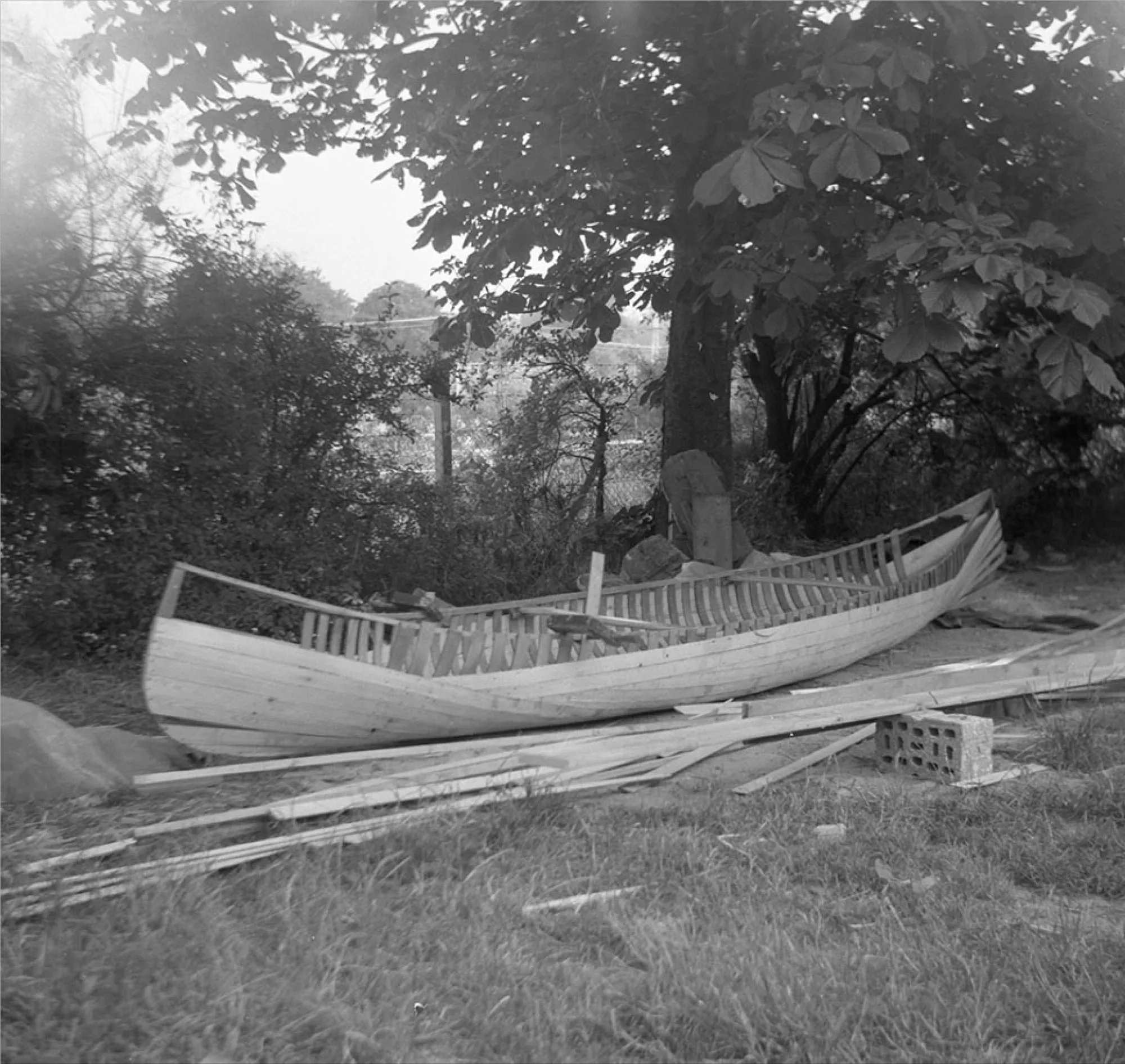
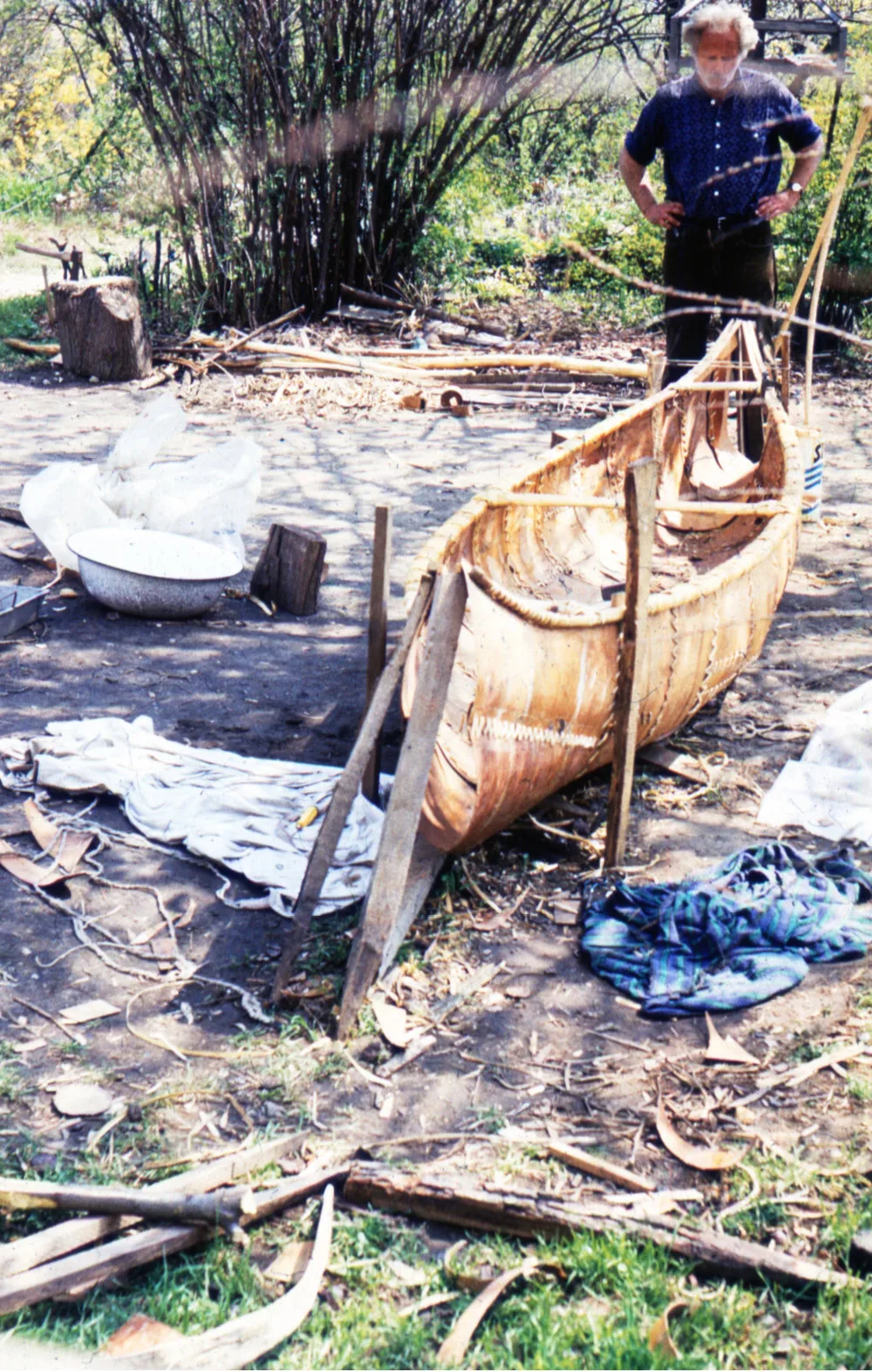
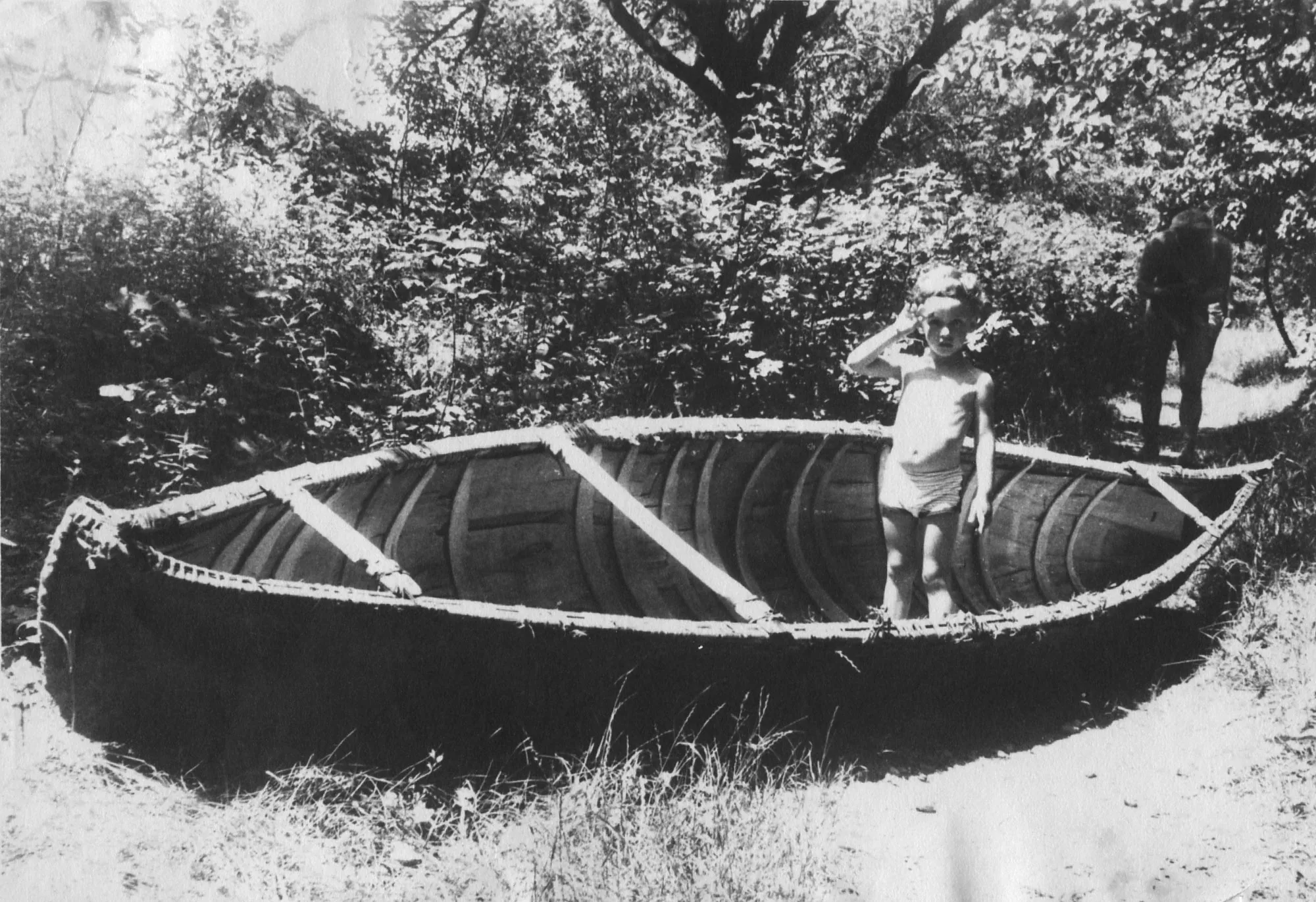
The garden also served as an extended outdoor studio and workshop. Here, with great care and attention to detail, the family crafted various authentic Native American canoes, pirogues, and boats.
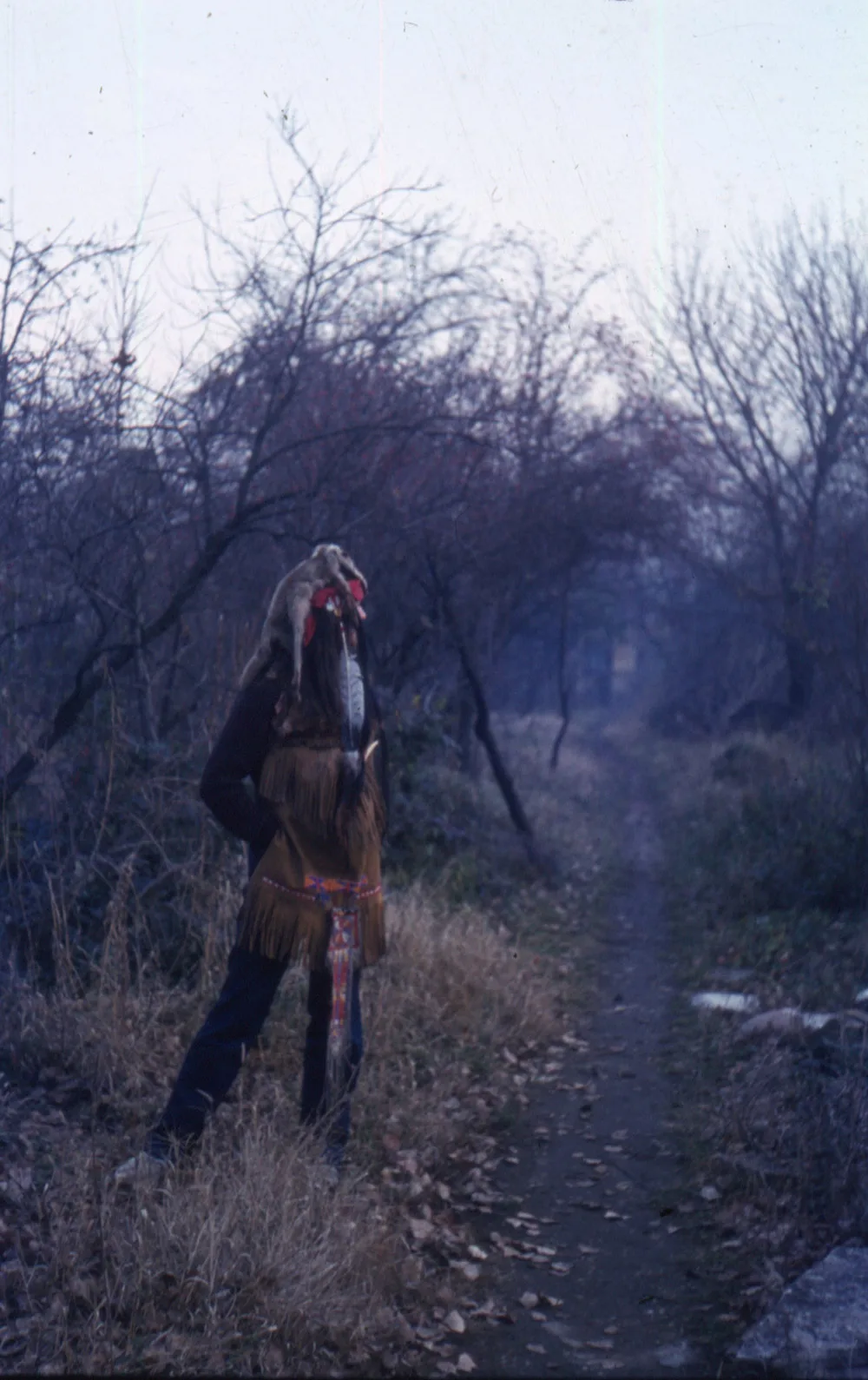
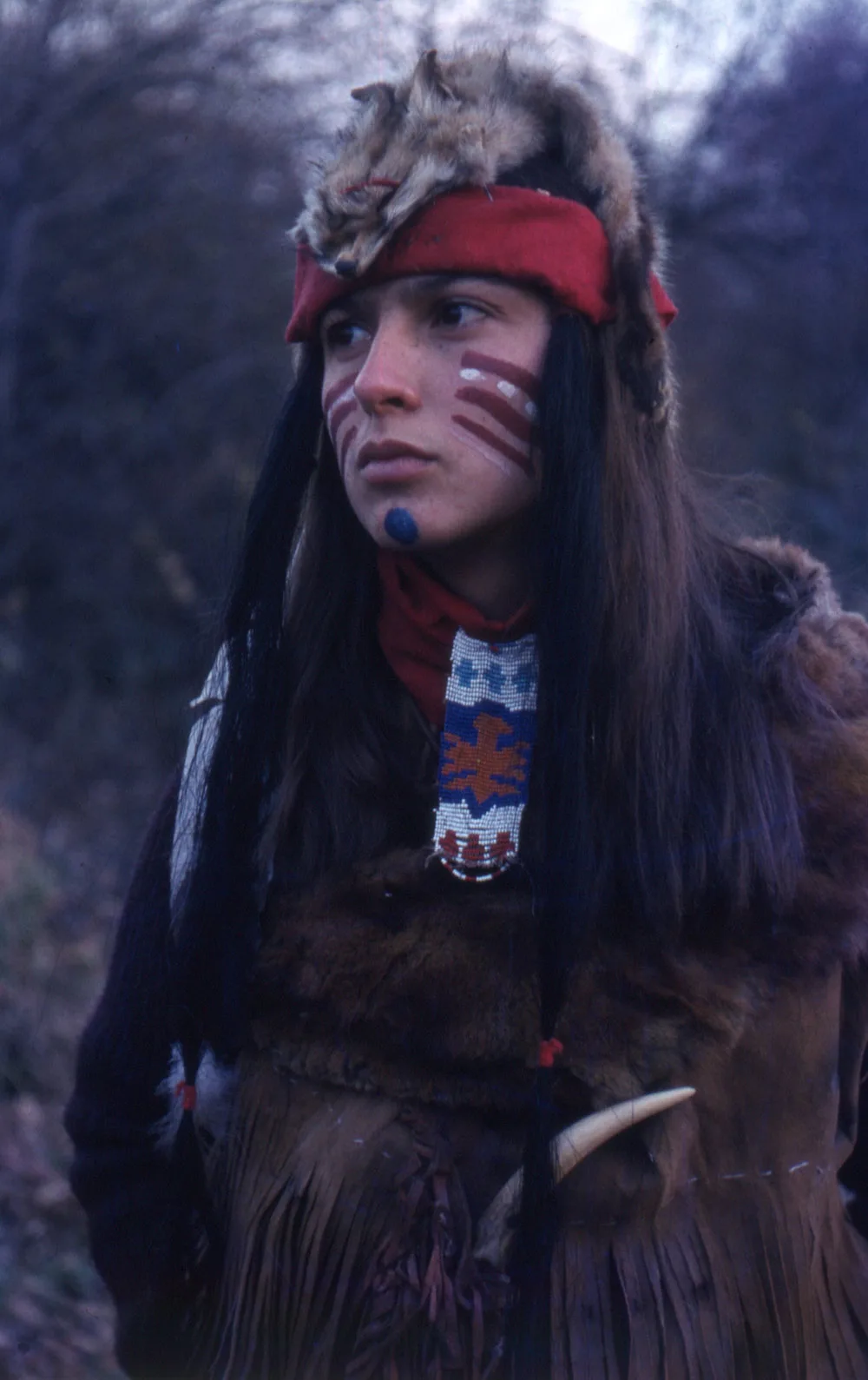
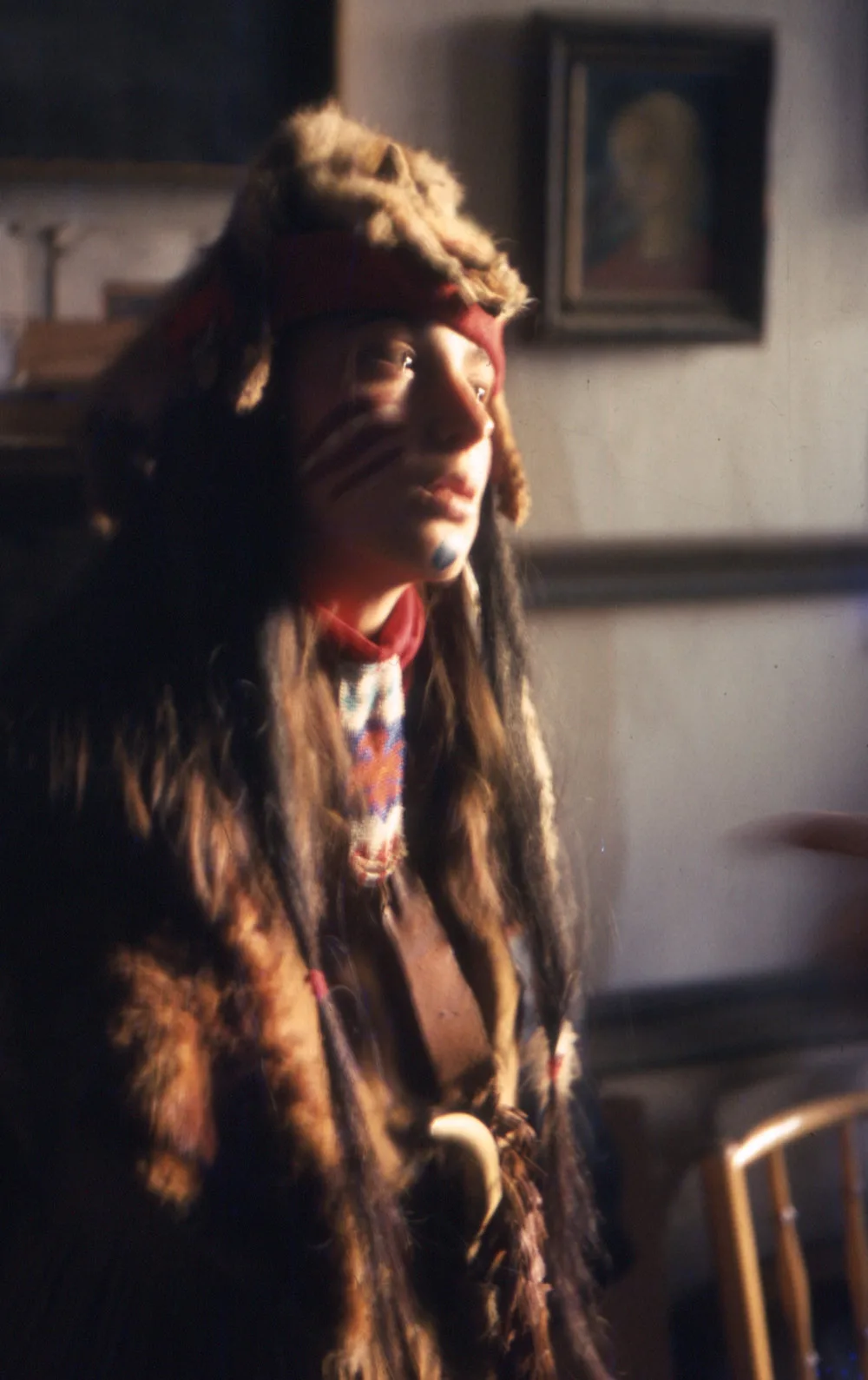
From the 1930s, the Remsey family actively embraced a life on the water, especially on the Danube—a tradition that remained part of their identity until the 2000s. The entire family would set up camp on Szentendre Island, spending their days paddling and their evenings cooking together, reading, painting, and creating. The Danube’s shores provided an ideal stage for role-playing games, where they transformed into explorers, shipwrecked sailors, African adventurers, trappers, and Wild West fortune seekers.
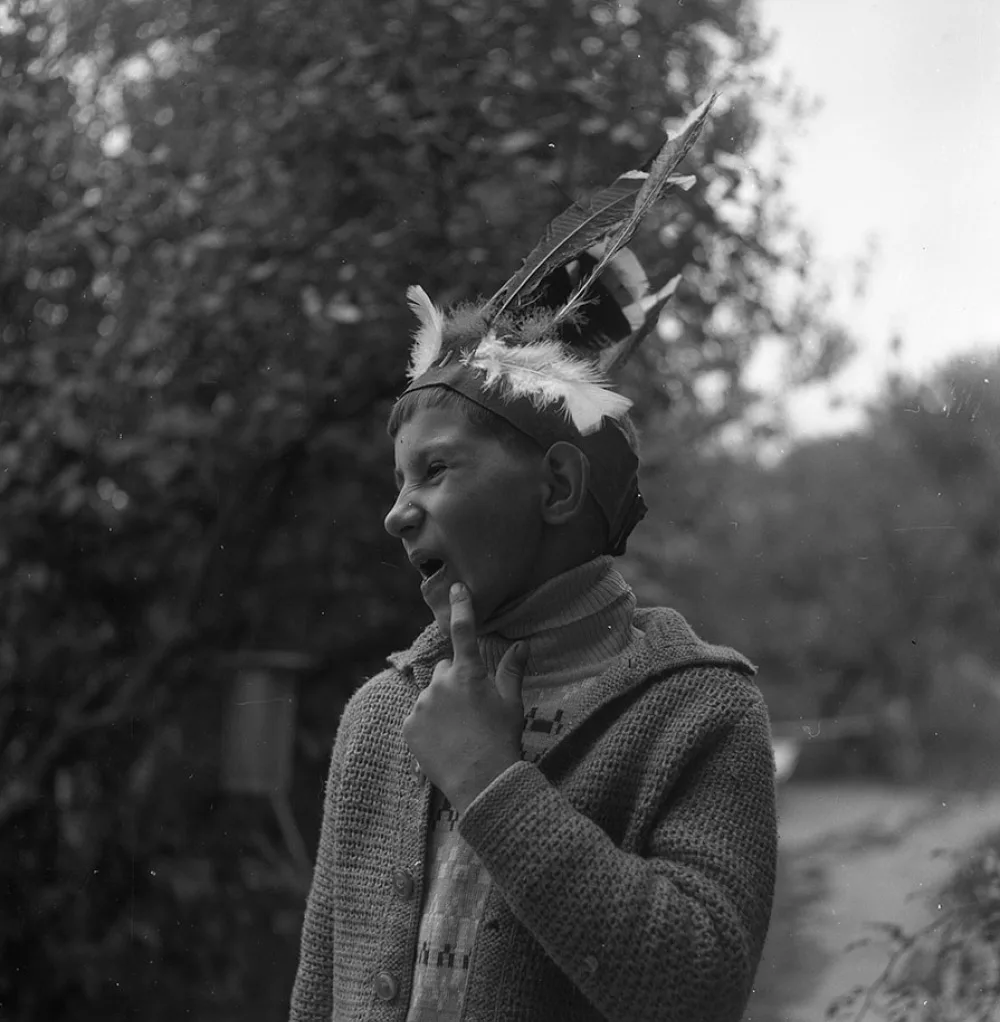
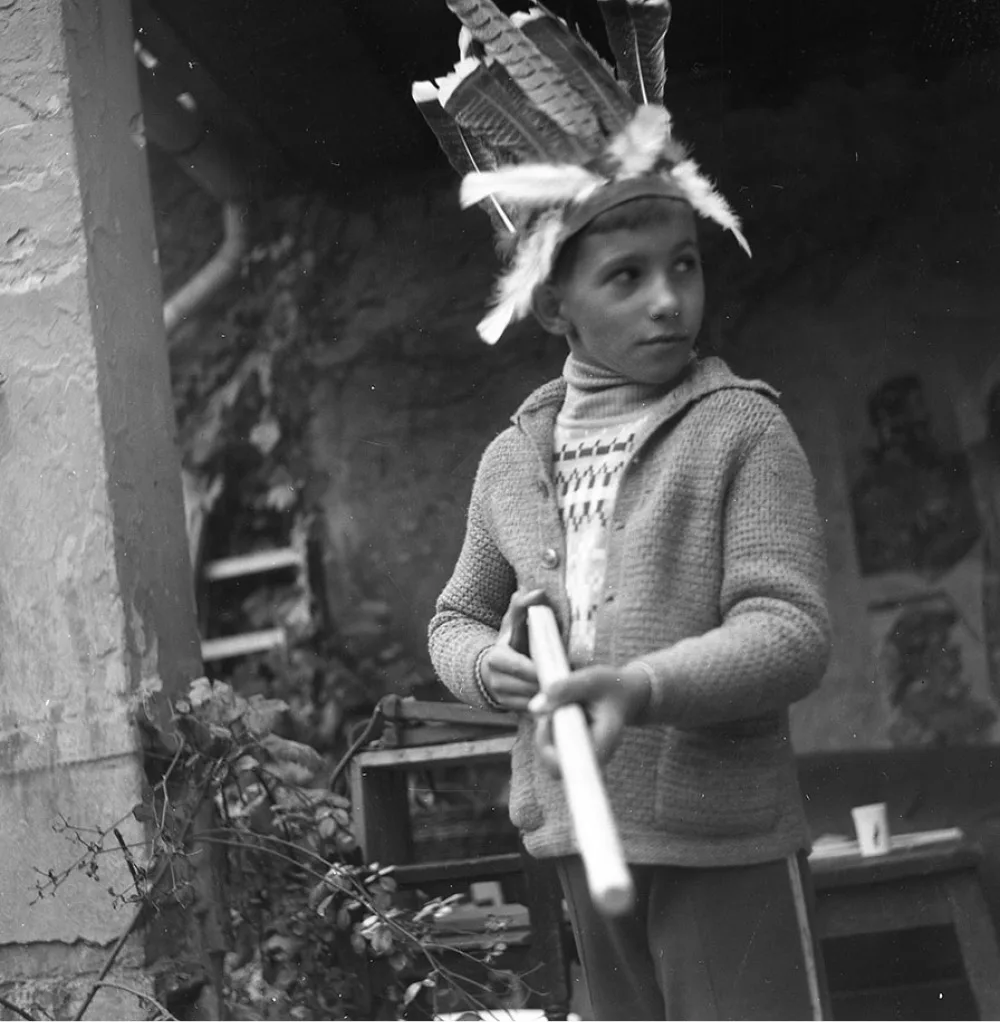
This enthusiasm naturally led to an interest in Native American culture. The family crafted authentic Native American attire and joined the Indian camps founded by Ervin Baktay, immersing themselves in this passion. These moments were, of course, captured on camera, mostly in black-and-white photographs.
Photography also played a role in their puppet theatre activities. The family’s marionette theatre began in 1935, marking the children’s first foray into puppetry. This idea was sparked by a film about the Italian Podrecca puppet dynasty that 14-year-old Iván Remsey had seen at the Uranus Cinema in Gödöllő. In their family home on Erdő Street, they built a stage in the studio, strung up puppets and figures, and crafted elaborate sets. The monthly puppet shows held that year drew great interest, with audiences composed of members of the artist colony, friends, and neighbours.
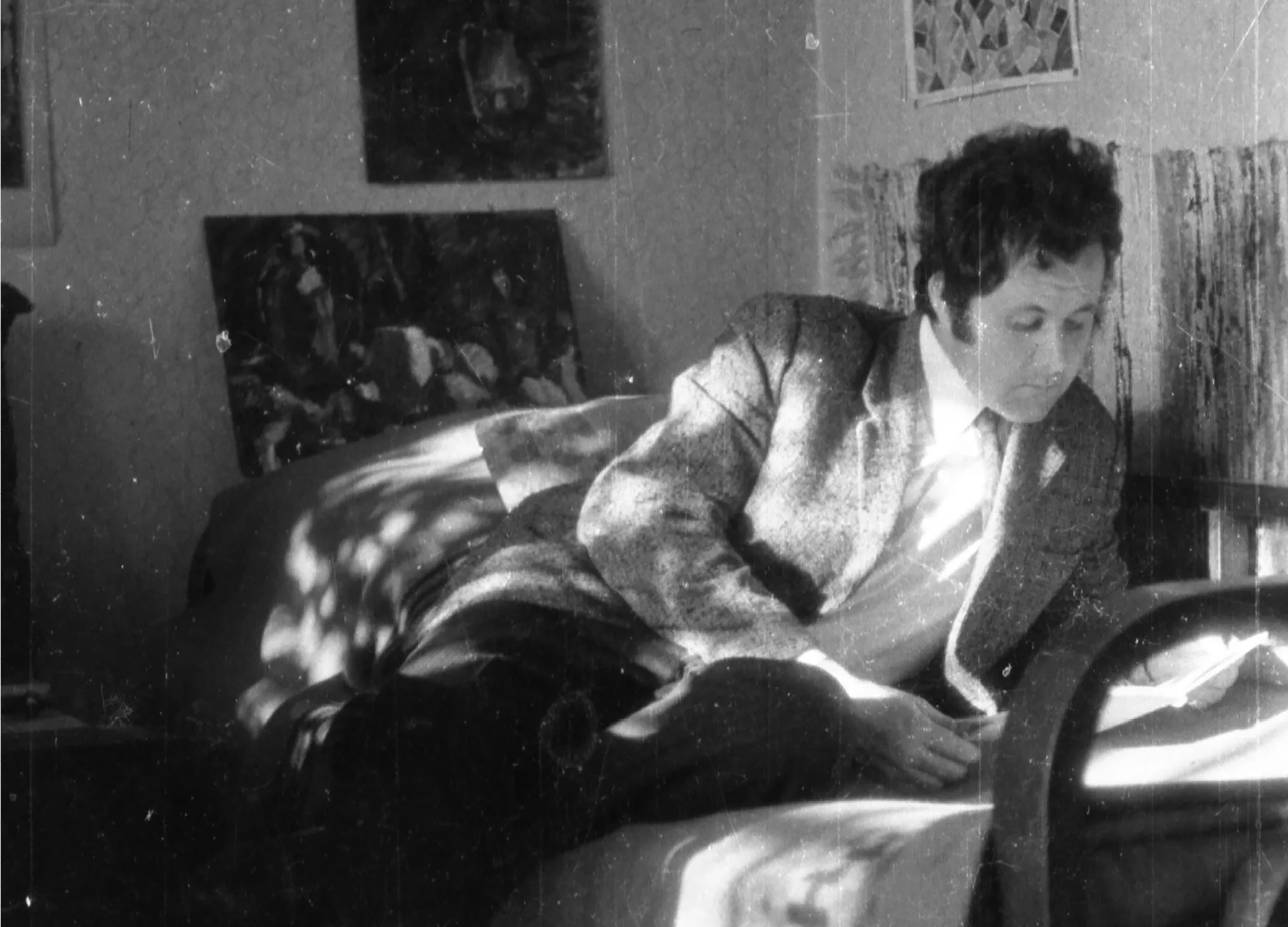
In the 1970s, the family displayed similar enthusiasm in creating Super 8 silent film parodies, complete with voiceovers and piano accompaniment. András and Gábor starred in the films, with other family members and friends participating. They also produced several short films on local history, documenting vanishing houses, urban landscapes, and unique characters from Gödöllő. These projects were accompanied by photography, both for gathering motifs and selecting characters. The family actively sought “cinematic” faces from Gödöllő, capturing these distinctive individuals in photographs.
Several family members were avid photographers: Jenő Remsey, Gábor Remsey, András Remsey, Ilma Sipos Remsey, and Anti János Szabó. András Remsey had the most defined ambitions in photography, serving as the artistic director of the Duflex Photographic Studio in the 1990s and exhibiting his work in Gödöllő. The family used various cameras, including Olympus-Pen, Leica, Zenit, and Fed models.
Over the decades, professional photographers also documented the family, including Aladár Székely, Albert Kresz, Ferenc Fuszenecker, Ferenc Lőrinc, and Csaba Winkler.
A large portion of the photo archive has been digitised, but much work remains in dating the images, identifying locations, and recognising the individuals captured in them. This webpage offers only a narrow glimpse into the rich archive, which holds significant cultural and art historical value.
Katalin Kopin
art historian